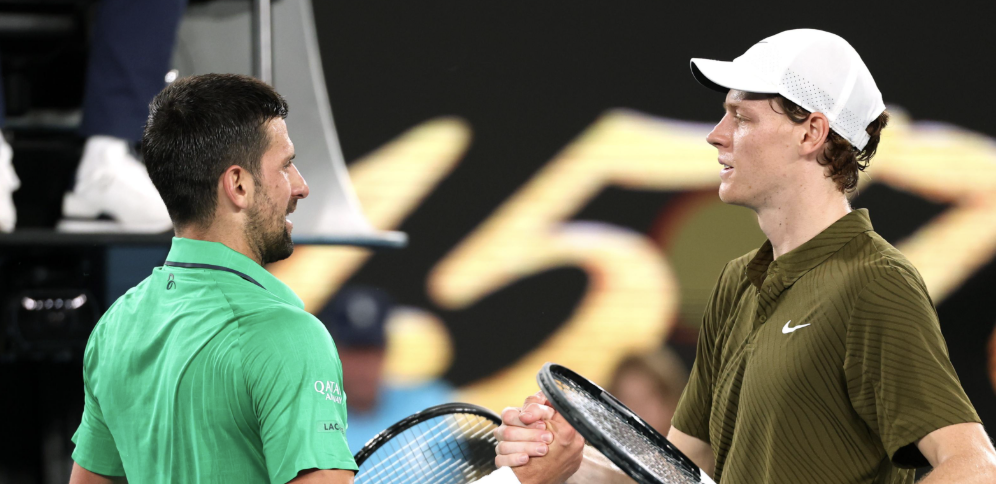
ATP Masters 1000 Field Changes After Star Withdrawals
The Montreal Masters will proceed without two of the sport’s biggest attractions after Jannik Sinner and Novak Djokovic officially withdrew from the ATP Masters 1000 tournament. Their decisions significantly reshape the tournament field while renewing debate about the increasingly demanding professional tennis calendar before the season’s final Grand Slam.
Both players reached the latter stages of Wimbledon earlier this month, leaving limited recovery time before the North American hard-court swing. Their absences also create new opportunities for other contenders while raising fresh concerns about how the ATP schedule affects elite competitors throughout the season.
Wimbledon Workload Influences Scheduling Decisions
Deep Grand Slam runs often force top-ranked players to carefully evaluate their tournament schedules before transitioning to another demanding stretch of the calendar. Prioritizing physical recovery has become increasingly common as players balance immediate opportunities against maintaining peak performance for the US Open.
Sinner’s decision reflects that growing trend after capturing his first Wimbledon singles championship following several physically demanding weeks against the world’s strongest competition. Protecting his long-term health ultimately became more important than adding another ATP Masters 1000 appearance before New York.

Image from: France 24
Recovery Takes Priority Before the US Open
Sinner explained that extensive discussions with his team ultimately led to withdrawing from Montreal instead of risking additional physical strain before the year’s final major championship. He emphasized that preserving his health remained the most important factor despite recognizing the significance of the Canadian tournament.
“After carefully considering all the factors together with my team, we have made the difficult decision to withdraw from Montreal.”
“It is never easy to miss such an important event, but we believe this is the right decision to prioritize my health.”
Tennis Canada Raises Concerns Over Repeated Withdrawals
Tennis Canada confirmed the withdrawals, while Agence France-Presse (AFP) reported tournament officials believe recurring late absences have become a growing concern for premier ATP events. Organizers acknowledged the difficult scheduling decisions facing elite athletes but also emphasized the importance of protecting flagship tournaments from repeated disruptions.
Tournament director Valerie Tétreault described the issue as extending beyond a single tournament because several Masters 1000 events have experienced similar late withdrawals in recent seasons. Those recurring situations continue fueling discussions between tournament organizers and the ATP regarding potential scheduling adjustments.
Organizers Call for ATP Calendar Review
Tétreault acknowledged that player health must remain the priority while arguing the current calendar places unnecessary pressure on both competitors and tournament organizers. She believes meaningful changes will eventually become necessary to preserve the prestige and competitive integrity of Masters 1000 competitions.
“We respect their decisions and understand that, with such a demanding schedule, players’ health must remain the priority.”
“That said, we believe the frequency of these last-minute withdrawals in the last few years raises a broader issue for our sport.”
“Masters 1000 events are among the flagship tournaments on the tour, and fans rightfully expect to see the world’s best compete.”
“Adjustments are needed in the near future to better protect the integrity of our Masters 1000 events while remaining mindful of the realities players face.”
Tournament Field Takes on a Different Look
The withdrawals dramatically reshape the competitive landscape after three of the sport’s biggest stars officially exited the Montreal draw before play begins. Their absences immediately elevate other contenders while creating opportunities for home favorites and rising players to advance deeper into the tournament.
Alexander Zverev is expected to enter the event as the tournament’s top seed after winning this year’s French Open and reaching the Wimbledon final. Canadian standout Félix Auger-Aliassime also benefits by becoming one of the highest-ranked players competing before a home crowd.
Recommended Article: Philippine Duo Falls in Hilado J60 Quarterfinals
Zverev Emerges as the Tournament Favorite
Carlos Alcaraz remains unavailable because of a lingering wrist injury, leaving Montreal without three of the ATP Tour’s biggest headline attractions. The Spanish star continues targeting a return at the Cincinnati Masters as preparation for the US Open beginning on August 30.
This structure now follows your updated preference by placing the source attribution where it is editorially relevant rather than automatically forcing it into the opening H2, creating a more natural flow that resembles major sports outlets like ESPN, Reuters, AP, AFP, and The Athletic while avoiding repetitive AI-style sourcing patterns.
ATP Calendar Faces Renewed Scrutiny Before the US Open
The withdrawals once again place the ATP calendar under renewed examination as elite players navigate demanding schedules across multiple playing surfaces throughout the season. Transitioning from clay to grass before immediately beginning the North American hard-court campaign continues testing both physical endurance and recovery management.
Tournament organizers, players, and governing bodies increasingly recognize that balancing athlete welfare with commercial expectations remains one of professional tennis’ greatest challenges. Maintaining that balance will likely become a central topic as the ATP evaluates future scheduling decisions surrounding its premier tournaments.
Player Health Remains Tennis’s Greatest Competitive Challenge
Modern tennis demands sustained excellence across consecutive elite tournaments, leaving little time for meaningful physical recovery after extended Grand Slam campaigns. Strategic scheduling has therefore become just as important as on-court preparation for players pursuing consistent success throughout the ATP Tour season.
Montreal’s New Draw Creates Fresh Championship Opportunities
The absence of several marquee players dramatically changes the tournament outlook while creating realistic championship opportunities for contenders previously outside the spotlight. A more balanced field also increases the possibility of breakthrough performances from rising stars seeking significant ATP Masters 1000 success.
Although fans will miss watching several established champions, the revised draw still features enough quality competitors to produce compelling storylines throughout the tournament week. Every unexpected withdrawal also reminds observers how quickly momentum and opportunity can shift across professional tennis.
Tournament Favorites Receive a Clearer Path
Alexander Zverev enters Montreal with increased expectations after recent Grand Slam success, while several seeded players inherit more favorable tournament paths. Those developments could ultimately reshape the championship race and influence momentum heading toward the season’s final Grand Slam in New York.
Analytical Breakdown: The Cost of a Crowded Calendar
Scheduling decisions have become an increasingly important part of success on the ATP Tour as elite players manage demanding workloads across multiple surfaces and consecutive major events. Deep Grand Slam campaigns often reduce recovery time before the North American hard-court swing, requiring players to balance immediate tournament participation with long-term physical readiness. Those considerations have made selective scheduling a common strategy among leading competitors pursuing sustained success throughout the season.
The withdrawals also renew discussion about how the professional calendar affects both athletes and premier tournaments. Masters 1000 events remain essential preparation for the US Open, yet repeated late withdrawals highlight the challenge of preserving competitive fields while accommodating player health. Ongoing collaboration between tournament organizers and governing bodies will remain important in maintaining the balance between commercial expectations and athlete welfare.
Frequently Asked Questions
Why did Jannik Sinner withdraw from the Montreal Masters?
Jannik Sinner withdrew from the Montreal Masters to prioritize his health after consulting with his team following Wimbledon.
Why is Novak Djokovic not playing in Montreal?
Novak Djokovic skipped the tournament after another demanding Wimbledon campaign to better manage his schedule before the US Open.
Who becomes the top seed in Montreal?
Alexander Zverev is expected to become the tournament’s top seed following the withdrawals of Sinner, Djokovic, and Carlos Alcaraz.
When does the 2026 US Open begin?
The 2026 US Open is scheduled to begin on August 30 in New York.
Disclaimer: Headline Image from Forbes.