Volleyball Reforms Aim To Strengthen Philippine Sports Leadership
Philippine volleyball has taken a significant step toward organizational stability after the Philippine Olympic Committee initiated sweeping governance reforms following the resignation of the entire Philippine National Volleyball Federation board. The reforms represent the strongest effort yet to restore confidence in the country’s volleyball leadership after months of administrative uncertainty and institutional challenges.
The transition also signals a renewed commitment to rebuilding trust among athletes, coaches, leagues, and volleyball stakeholders nationwide. Restoring sound governance remains essential because strong leadership directly influences the sport’s long-term growth, international credibility, and competitive success.
POC Starts Transition Following Complete Board Resignation
The Philippine Olympic Committee formally launched the federation’s rebuilding process after stakeholders unanimously supported sweeping governance reforms during a special assembly. The meeting represented a decisive effort to restore organizational stability while creating a clearer direction for Philippine volleyball’s future leadership.
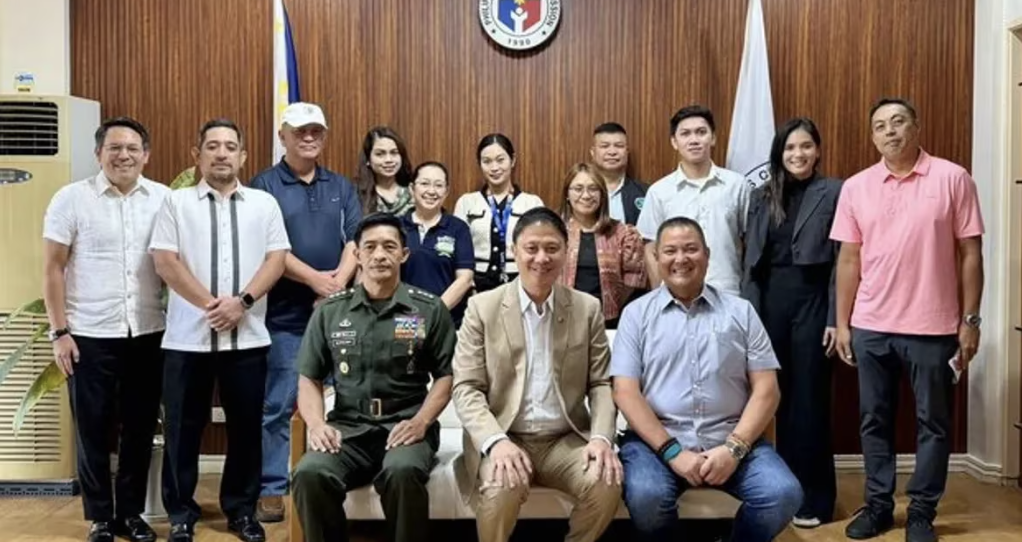
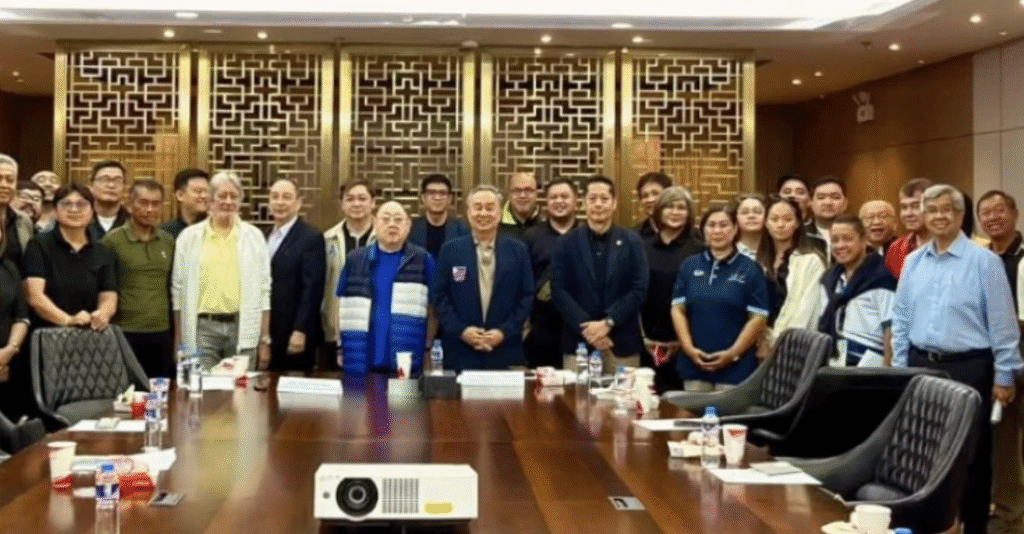
Jean Malanum reported that the Philippine Olympic Committee convened a volleyball general assembly on July 27 at the Solaire Theater Board Room in Parañaque City. Nearly forty former board members and volleyball stakeholders unanimously agreed that every Philippine National Volleyball Federation board member would resign as part of the federation’s comprehensive restructuring process.
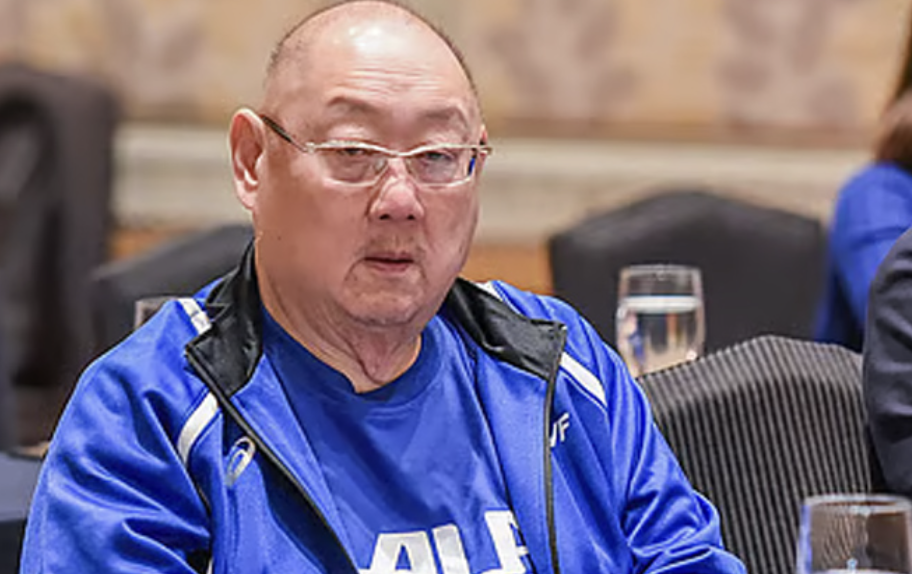
Image from: Fastbreak
Leadership Reset Receives Broad Stakeholder Support
POC President Abraham “Bambol” Tolentino described the collective resignation as the first meaningful step toward rebuilding confidence after the federation’s suspension by the International Volleyball Federation. Broad participation from stakeholders also demonstrated a shared commitment to rebuilding Philippine volleyball through cooperation instead of prolonged administrative conflict.
“That’s the first step and they all agreed to resign.”
Federation Structure Receives Major Overhaul
The approved governance reforms extend beyond leadership changes by introducing structural adjustments designed to improve representation across Philippine volleyball’s major sectors. Stakeholders agreed that a more inclusive organizational framework would better reflect the interests of groups directly involved in athlete development.
The amendments established a thirteen-member Philippine National Volleyball Federation Board that includes athlete representatives, the UAAP, the NCAA, and a Philippine Olympic Committee representative. The revised structure also removes the chairman position while authorizing the federation president to appoint the secretary-general.
Recommended Article: POC Suspends PNVF Following FIVB Sanction
Inclusive Representation Becomes the Primary Objective
Expanding board membership gives athletes, collegiate leagues, and other major stakeholders stronger participation during important governance discussions affecting Philippine volleyball’s future direction. Broader representation may also encourage greater collaboration between domestic competitions and national team programs while improving organizational transparency.
“This is to introduce inclusivity and, more importantly, that the stakeholders prioritize the call of the national team.”
Governance Reforms Respond to International Concerns
The Philippine Olympic Committee currently serves as caretaker of Philippine volleyball after the International Volleyball Federation suspended the federation over governance concerns earlier this year. Temporary oversight ensures essential volleyball activities continue while administrators complete the transition toward a newly restructured governing body.
The International Volleyball Federation’s suspension followed similar intervention by the Philippine Sports Commission before responsibility shifted to the Philippine Olympic Committee. Those coordinated actions emphasized the importance of restoring administrative stability while protecting the continued operation of national volleyball programs.
Temporary Oversight Supports Organizational Stability
Caretaker management allows Philippine volleyball to maintain essential operations while stakeholders complete constitutional reforms and prepare for democratic leadership elections. Preserving continuity throughout the transition also protects athletes, coaches, competitions, and development programs from unnecessary disruption during administrative restructuring.
Elections Become the Next Priority
The governance reforms now shift attention toward establishing a new leadership group capable of guiding Philippine volleyball through its rebuilding process. Completing the transition requires transparent elections that restore confidence among athletes, coaches, leagues, and the broader volleyball community.
Tolentino confirmed that stakeholders had already approved the federation’s constitutional amendments during the special general assembly held in Parañaque City. Another general assembly will take place on August 10 to finalize election procedures and formally establish the federation’s new leadership.
Fresh Elections Mark the Next Phase
The scheduled elections provide stakeholders with an opportunity to build a leadership group supported through a more transparent and inclusive governance process. Completing the electoral transition also represents another important milestone toward restoring stability throughout Philippine volleyball after months of administrative uncertainty.
Reforms Could Shape Philippine Volleyball’s Future
Administrative stability directly influences how effectively a national federation develops athletes, supports coaches, and prepares teams for international competitions throughout every season. Strong governance also strengthens sponsorship opportunities, grassroots initiatives, international partnerships, and athlete confidence across the entire volleyball ecosystem.
Building a more accountable federation creates stronger foundations for long-term planning while encouraging better cooperation among every volleyball stakeholder nationwide. Sustainable organizational leadership often produces consistent progress because technical development and administrative excellence work together toward shared competitive objectives.
Stability Benefits Every Level of Volleyball
The approved reforms could strengthen collaboration between professional leagues, collegiate programs, regional associations, and the country’s national volleyball teams. A more inclusive governance model may also improve communication while reducing future administrative conflicts through greater transparency and shared responsibility.
Analytical Breakdown: Rebuilding Starts with Leadership
Strong governance is a fundamental component of successful national volleyball programs because it influences athlete development, coaching continuity, competition planning, and international representation. Expanding board membership to include athletes, collegiate leagues, and Philippine Olympic Committee representation creates a broader decision-making structure that can better align the interests of stakeholders responsible for developing players at every level of the sport. Inclusive governance also strengthens institutional accountability while encouraging collaboration among organizations responsible for Philippine volleyball’s continued growth.
The approved reforms also provide an opportunity to strengthen long-term organizational stability following the federation’s governance challenges. Transparent leadership, clearly defined administrative responsibilities, and collaborative policymaking can improve coordination between grassroots programs, collegiate competitions, professional leagues, and the national teams. That institutional stability remains essential for sustaining international competitiveness while rebuilding confidence among athletes, coaches, officials, sponsors, and volleyball stakeholders.
Frequently Asked Questions
Why did the PNVF board resign?
The board resigned after stakeholders unanimously supported governance reforms designed to rebuild the federation under Philippine Olympic Committee supervision.
Why is the Philippine Olympic Committee managing Philippine volleyball?
The Philippine Olympic Committee currently serves as caretaker after the International Volleyball Federation suspended the federation over governance concerns.
What major governance changes were approved?
Stakeholders approved a thirteen-member board, expanded sector representation, constitutional amendments, and preparations for new federation elections.
When will the next Philippine volleyball assembly take place?
The next general assembly is scheduled for August 10 to finalize election procedures and establish the federation’s new leadership.
Disclaimer: Headline Image from Manila Bulletin.