NCAA Season 102 Retains Quicho Amid League Reforms
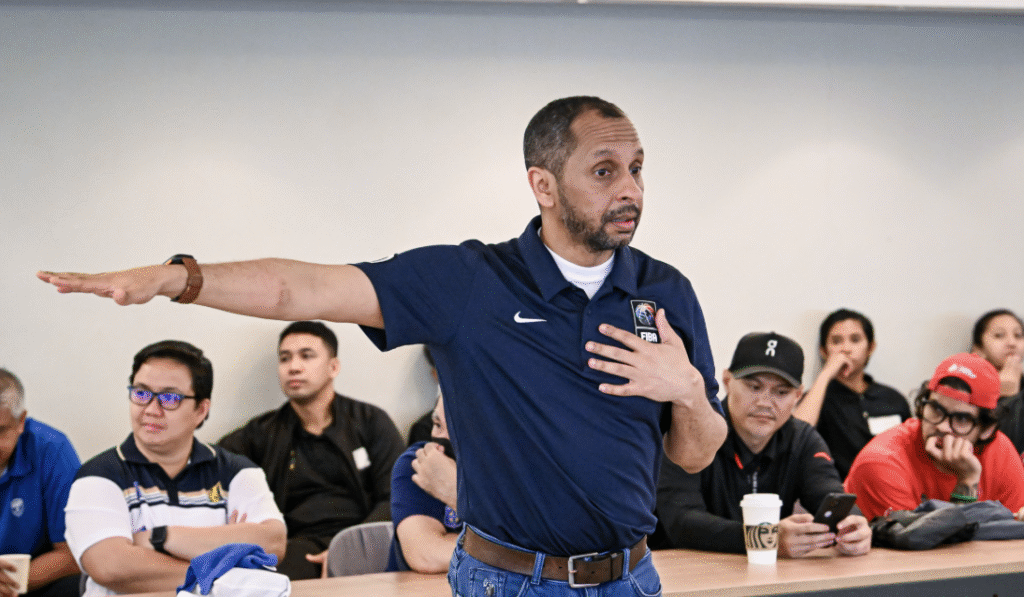
The National Collegiate Athletic Association (NCAA) has retained Atty. Rico Paolo Quicho as commissioner for Season 102, ensuring leadership continuity as the country’s oldest collegiate athletic league prepares for another basketball campaign. His reappointment follows a season marked by several governance initiatives aimed at strengthening officiating standards, competition management, and league operations.
Keeping the same commissioner also allows the NCAA to continue implementing reforms introduced during the previous season without disrupting long-term development plans. Administrative continuity has become increasingly important as collegiate leagues seek to balance competitive excellence, student-athlete welfare, and alignment with international basketball standards.
NCAA Maintains Leadership During Period of Organizational Progress
The NCAA has continued modernizing several aspects of its basketball operations while preserving its long-standing commitment to student-athlete development and educational excellence. Founded in 1924, the league remains the Philippines’ oldest collegiate athletic association and has played a significant role in developing generations of professional athletes, coaches, and sports administrators.
Sustaining organizational reforms often requires consistent leadership because changes involving officiating, governance, and competition standards typically evolve across multiple seasons. Retaining experienced administrators also provides member schools, coaches, players, and game officials with greater stability as new initiatives continue to mature.
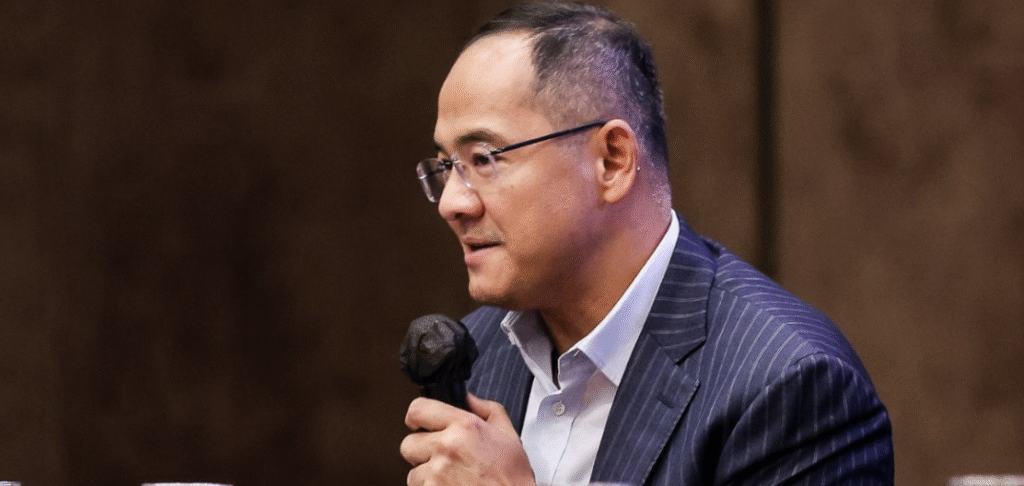
Image from: SPIN.ph
Reappointment Reflects Confidence in Recent Reforms
According to an initial report by Kiko Demigillo, Quicho will continue serving as commissioner after overseeing several notable reforms during NCAA Season 101. His return reflects the league’s confidence in the direction established under his leadership while allowing recently introduced initiatives to continue developing.
Among the priorities carried over into the new season are:
- Strengthening officiating consistency.
- Improving league governance.
- Modernizing competition management.
- Aligning basketball regulations with international standards.
These initiatives represent part of the NCAA’s broader effort to enhance the quality of collegiate basketball while maintaining fairness, transparency, and competitive integrity throughout the season.
FIBA Rule Alignment Strengthens Collegiate Competition
One of the most significant developments under Quicho’s leadership involved bringing NCAA basketball regulations closer to the standards used in International Basketball Federation (FIBA) competitions. Since FIBA rules govern most international tournaments, greater alignment helps student-athletes become familiar with regulations they may encounter while representing the Philippines or pursuing professional careers abroad.
Adopting internationally recognized playing standards also benefits coaches, referees, and basketball officials by promoting more consistent rule interpretation throughout the season. Reducing differences between collegiate and international competition allows players to transition more smoothly into national team programs and professional leagues using the same regulations.
International Standards Support Athlete Development
The updated regulations extend beyond technical rule changes because they prepare student-athletes for basketball environments outside collegiate competition. Familiarity with internationally accepted standards enables players to adjust more quickly when competing in FIBA-sanctioned tournaments, regional championships, and professional leagues.
Aligning with international regulations also strengthens officiating quality by encouraging consistent decision-making and standardized game administration. These improvements support the NCAA’s long-term objective of maintaining a competitive environment that reflects globally recognized basketball practices.
International Referees Introduced a Historic Officiating Milestone
Another major initiative implemented during Season 101 involved inviting FIBA-accredited international referees to officiate selected semifinal and championship games. The move represented a significant step toward strengthening officiating standards while exposing both players and local officials to internationally recognized game management practices.
Many established basketball leagues regularly exchange officiating expertise to improve consistency and maintain confidence in critical postseason games. Introducing internationally experienced referees reflects a growing emphasis on adopting best practices that support fairness, accountability, and continuous officiating development.
Foreign Officials Added Global Perspective to NCAA Games
The inclusion of FIBA-certified referees provided several immediate benefits beyond supervising important postseason contests. Their presence also created opportunities for local officials to observe internationally accepted mechanics, positioning, communication, and decision-making during high-pressure games.
The officiating initiative focused on several long-term objectives:
- Improving consistency during postseason games.
- Increasing confidence in officiating decisions.
- Providing international exposure for local referees.
- Encouraging knowledge-sharing between Filipino and foreign officials.
Those efforts represent one of the NCAA’s most notable officiating reforms in recent years while supporting continuous improvement throughout the league.
Student-Athlete Development Remains Central to League Leadership
Beyond implementing competition reforms, Quicho has consistently emphasized that collegiate athletics should reinforce educational growth rather than compete with academic responsibilities. The NCAA has long maintained that athletic participation should prepare students for success both inside and outside competitive sports through discipline, leadership, and personal development.
Balancing academics with athletics remains one of the defining characteristics of collegiate sports because student-athletes are expected to excel in both environments. Maintaining this philosophy helps preserve the league’s educational mission while encouraging institutions to support the long-term development of every athlete.
Leadership Philosophy Reflects the NCAA’s Educational Mission
Quicho has repeatedly encouraged member schools to develop athletes who demonstrate integrity, accountability, and sportsmanship alongside competitive excellence. His approach reflects the NCAA’s longstanding objective of producing graduates prepared to contribute beyond the basketball court.
The commissioner continues promoting values that guide the league’s student-athlete development framework:
- Academic accountability
- Integrity
- Discipline
- Sportsmanship
- Fair play
Maintaining these principles reinforces the NCAA’s identity as an educational institution where athletic competition complements academic achievement rather than replacing it.
Legal and Administrative Experience Supports League Governance
Quicho’s academic and professional background provides experience that extends beyond basketball administration into governance, legal interpretation, and organizational leadership. Those qualifications have become increasingly valuable as collegiate leagues address evolving regulations, eligibility matters, disciplinary procedures, and broader operational responsibilities.
Modern sports administrators are expected to balance competitive fairness with institutional accountability while ensuring policies remain consistent across member schools. A legal background also strengthens decision-making when interpreting league regulations and implementing governance reforms affecting athletes, coaches, and participating institutions.
Academic Credentials Complement Administrative Responsibilities
Quicho’s educational background reflects preparation across multiple disciplines that contribute to sports governance and organizational management. His academic qualifications support responsibilities involving policy development, dispute resolution, and the continued modernization of league operations.
His educational credentials include:
- Undergraduate degree — De La Salle University
- Juris Doctor — Ateneo de Manila University
- Master of Laws (LL.M.) — University of California, Berkeley
That combination of legal education and administrative leadership has supported the NCAA’s continuing efforts to strengthen governance while maintaining transparency and competitive integrity.
Season 102 Begins With Expanded National Coverage
The NCAA will officially open Season 102 on September 13 at the Mall of Asia Arena, with San Beda University serving as this year’s host institution. As one of the league’s founding members, San Beda has played an important role in the NCAA’s long history of collegiate athletic competition.
The upcoming season will also benefit from broader television and digital exposure following the NCAA’s recently announced two-year broadcast partnership with Cignal TV. Expanded coverage allows more fans to follow collegiate competition while providing greater visibility for student-athletes, member schools, and the league’s athletic programs.
Media Partnership Expands the League’s National Reach
Greater broadcast accessibility has become increasingly important as collegiate sports continue attracting larger audiences through television, streaming platforms, and digital media. Broader exposure also creates additional opportunities for student-athletes to showcase their abilities before professional teams, national program scouts, and basketball supporters across the country.
The expanded partnership is expected to support several long-term objectives:
- Increase nationwide audience reach.
- Strengthen digital accessibility.
- Improve visibility for student-athletes.
- Enhance coverage of collegiate competition.
Expanding media access complements the NCAA’s ongoing efforts to strengthen the overall collegiate basketball experience for schools, athletes, and supporters.
Administrative Continuity Supports Long-Term League Development
Maintaining consistent leadership often allows sports organizations to implement reforms more effectively because long-term initiatives require sustained oversight rather than frequent administrative transitions. Collegiate leagues especially benefit when governance improvements, officiating programs, and competition standards develop through multiple seasons under stable leadership.
The NCAA’s recent efforts to modernize officiating, align playing rules with international standards, and strengthen media accessibility reflect broader organizational goals extending beyond a single basketball season. Preserving leadership continuity provides greater opportunities for those initiatives to mature while maintaining confidence among member institutions and stakeholders.
Continued Leadership Encourages Sustainable Progress
Retaining the same commissioner allows recently introduced reforms to be evaluated, refined, and strengthened through practical experience rather than beginning new administrative priorities each season. Long-term planning also benefits student-athletes by providing greater consistency in league policies, competition standards, and governance practices.
As Philippine collegiate basketball continues evolving, stable leadership may help the NCAA strengthen its reputation while maintaining its educational mission and competitive tradition. Sustained administrative direction also positions the league to respond more effectively to future opportunities and challenges within collegiate athletics.
Industry Analysis: The Value of Continuity
Collegiate athletic organizations increasingly recognize that governance reforms require long-term planning, administrative stability, and consistent implementation across multiple competitive seasons. Modern leagues also continue aligning competition rules, officiating standards, and operational policies with internationally recognized best practices to strengthen competitive integrity and athlete development.
The NCAA’s continued adoption of FIBA-aligned regulations, internationally experienced officiating, and expanded media partnerships reflects broader efforts to modernize collegiate basketball while preserving its educational foundation. Maintaining leadership continuity provides an opportunity to evaluate these initiatives over time while supporting sustainable growth throughout Philippine collegiate sports.
Source Note: This article is based on the original report by Kiko Demigillo, supplemented with publicly available information regarding the NCAA, FIBA regulations, collegiate sports governance, and official league announcements.
Frequently Asked Questions
Who will serve as NCAA Season 102 basketball commissioner?
Atty. Rico Paolo Quicho has been reappointed as commissioner of the NCAA Season 102 men’s basketball tournament.
What reforms were introduced during NCAA Season 101?
The league adopted greater FIBA rule alignment, introduced FIBA-accredited international referees, and implemented governance initiatives to improve officiating consistency and competition management.
When does NCAA Season 102 officially begin?
The NCAA Season 102 men’s basketball tournament opens on September 13, 2026, at the Mall of Asia Arena.
Where can fans watch NCAA Season 102 games?
Season 102 will be available through Cignal TV across television, streaming services, and digital platforms under the league’s new two-year broadcast agreement.
Disclaimer: Headline Image from Tiebreaker Times.