Asian Games Medal Hopes Expand Across Philippine Sports Programs
Team Philippines enters the twentieth Asian Games with growing confidence after expanding its medal prospects across several Olympic and non-Olympic sports over recent years. Philippine Olympic Committee officials believe the country’s broader pool of internationally competitive athletes provides a realistic opportunity to surpass its record four-gold performance achieved during the previous Asian Games.
The optimism comes despite significant challenges surrounding the men’s basketball program, which faces scheduling conflicts and player availability concerns before the continental competition begins in Aichi and Nagoya, Japan. Rather than depending on one traditional powerhouse, Philippine officials expect multiple sports to contribute meaningful medal opportunities throughout the Games.
Team Philippines Expands Medal Opportunities Across Multiple Sports
The Asian Games remain Asia’s largest multi-sport event, bringing together the continent’s top athletes every four years under the supervision of the Olympic Council of Asia. Success at the competition often reflects years of investment in athlete development, coaching, sports science, and international exposure across numerous sporting disciplines.
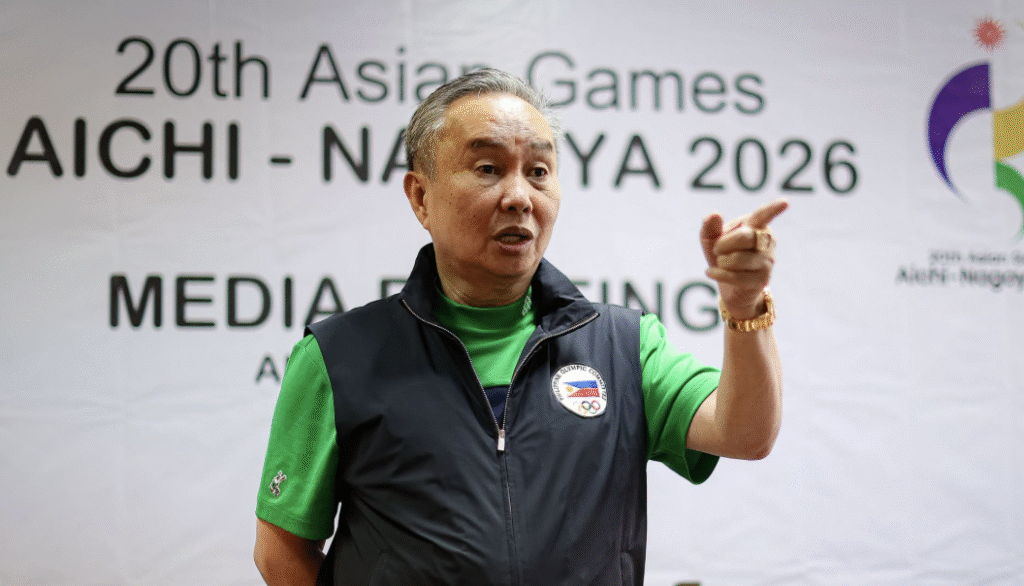
As reported by Luisa Morales, Philippine Olympic Committee president Abraham “Bambol” Tolentino believes the country’s expanding talent base creates a realistic opportunity to improve on its historic four-gold performance from the previous Asian Games. While acknowledging several competitive obstacles, Tolentino emphasized that the Philippines now possesses legitimate medal contenders across far more sports than in previous editions.
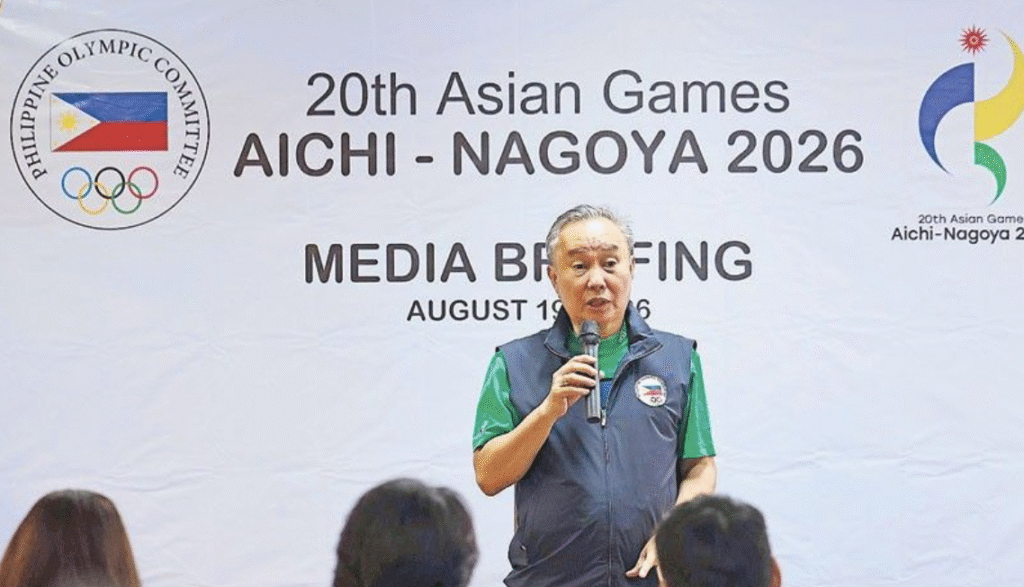
Image from: Philstar.com
Confidence Reflects Greater Competitive Depth
Tolentino expressed confidence that Team Philippines can exceed its previous gold-medal total despite uncertainty surrounding several key events entering the Games.
“Malalampasan naman natin yung four, kahit may obstacle… Kasi alam niyo na, defending champion tayo ng basketball.”
He also acknowledged the challenges affecting the national basketball program before emphasizing the country’s broader medal outlook.
“Pero ang dami pa nating pagkukunan ng medals.”
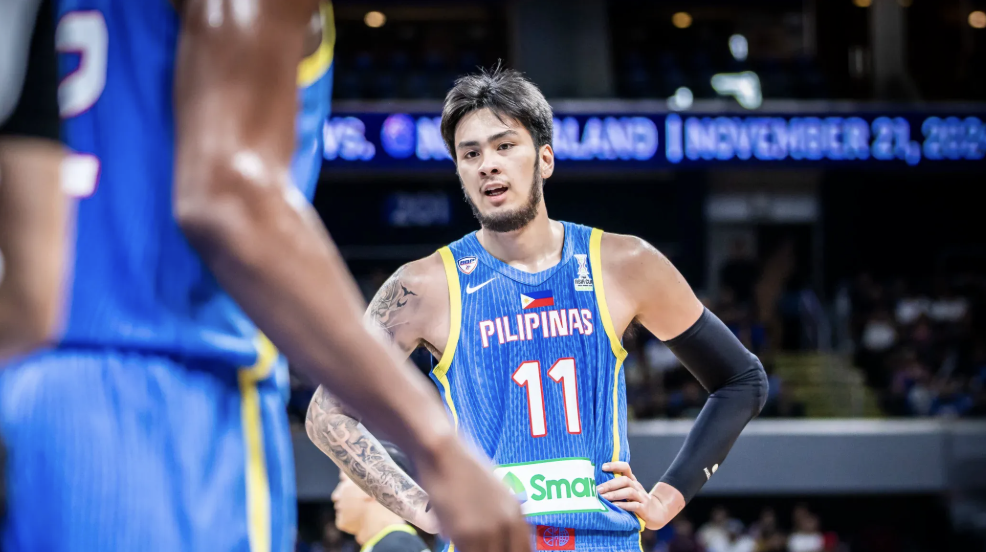
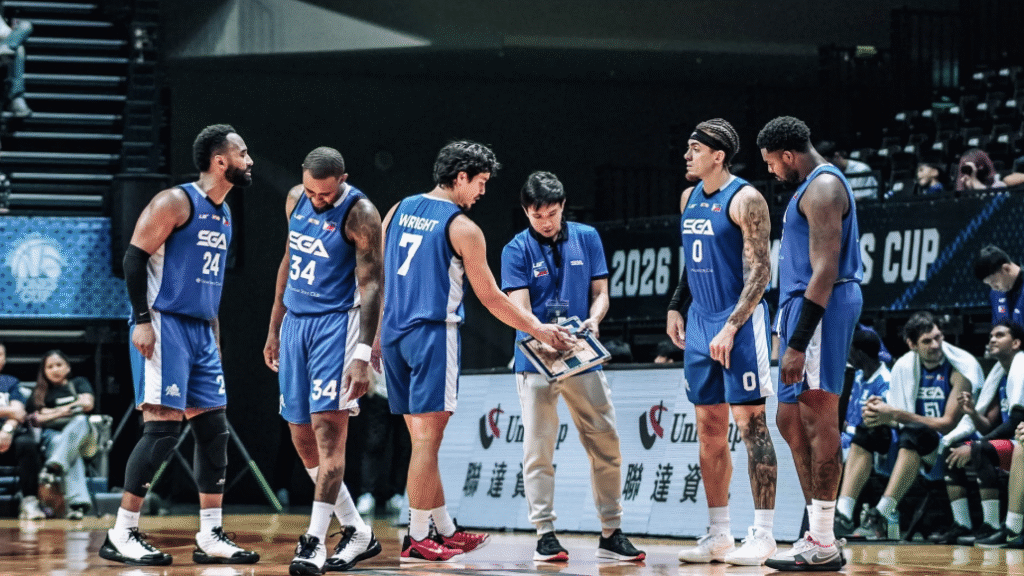
Gilas Pilipinas Faces Difficult Title Defense
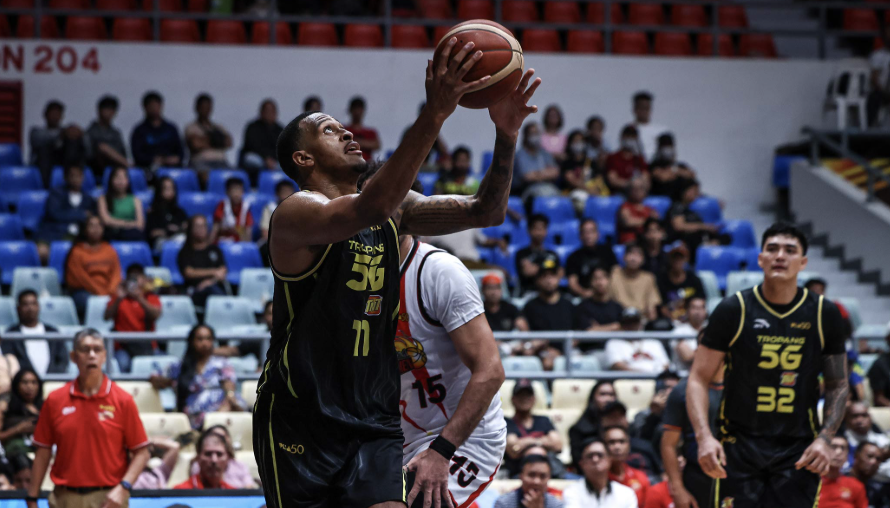
Among the Philippines’ highest-profile campaigns will be Gilas Pilipinas, which returns as the defending Asian Games men’s basketball champion after its memorable championship victory during the previous edition. However, preparations have become significantly more complicated because several overseas-based players remain unavailable due to professional club obligations and overlapping international competitions.
The overlap between the FIBA Basketball World Cup Asian Qualifiers, overseas league commitments, and the Asian Games calendar has reduced the pool of available players. Those scheduling conflicts create one of the most challenging title defenses in recent Philippine basketball history while forcing coaches to adjust roster planning and preparation.
Scheduling Conflicts Create Significant Obstacles
Several factors continue affecting Gilas Pilipinas before the Asian Games begin.
- FIBA Basketball World Cup Asian Qualifiers overlap with the tournament schedule.
- Overseas club commitments limit player availability.
- B.League scheduling affects several Filipino professionals.
- The national team faces a shorter preparation period than previous campaigns.
Even with those challenges, basketball represents only one part of the Philippines’ broader medal strategy rather than its sole championship opportunity.
Established Champions Lead Philippine Medal Bid
The country’s strongest medal hopes continue to come from internationally proven athletes who have consistently performed against elite competition over recent seasons. Philippine programs in athletics, gymnastics, boxing, tennis, swimming, jiu-jitsu, and weightlifting have all produced athletes capable of challenging for podium finishes at the continental level.
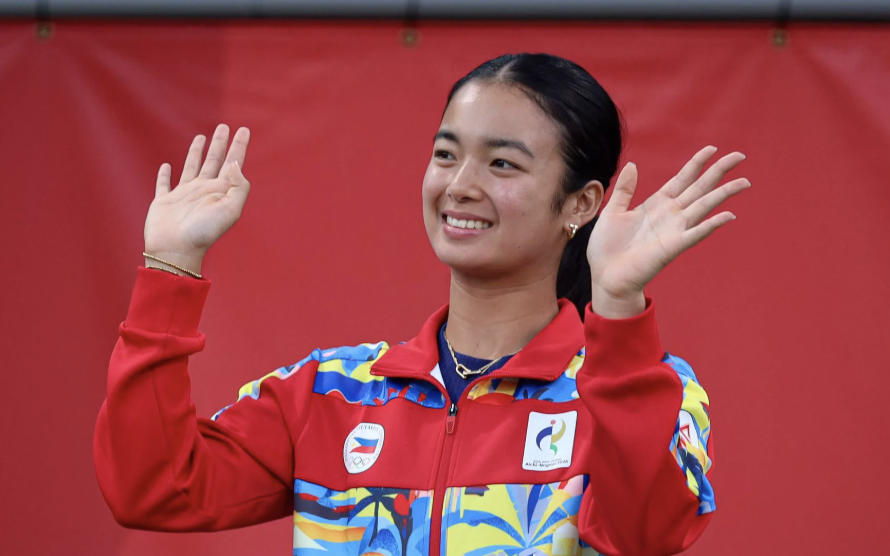
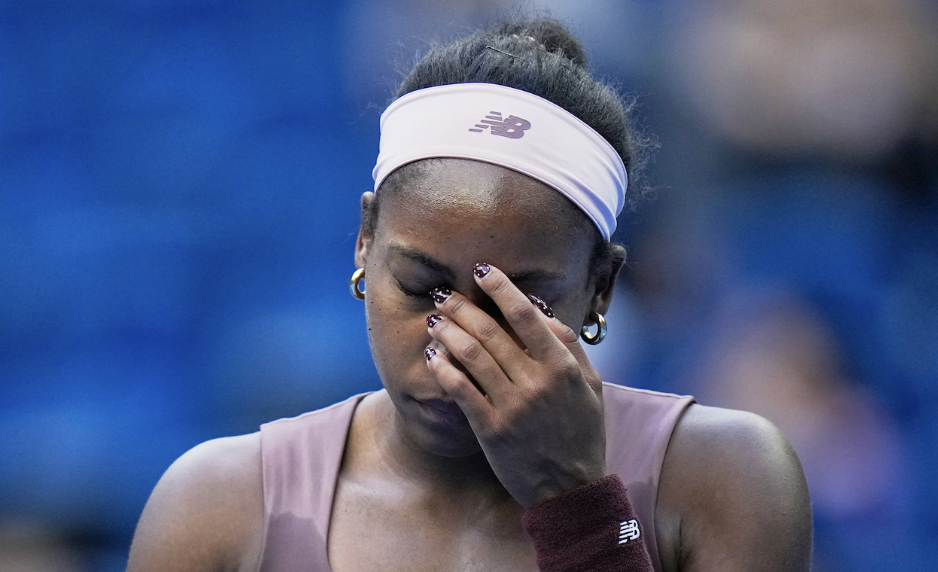
Tolentino specifically highlighted several competitors whose recent performances have strengthened expectations ahead of the Games, including pole vault star EJ Obiena and tennis standout Alex Eala. Their consistent success in international competitions has increased confidence that the Philippines can remain competitive against Asia’s traditional sporting powers.
Recommended Article: Alex Eala Reveals Nike Kit for 2026 US Open
International Success Supports Medal Expectations
Among the Philippines’ leading medal contenders are:
- EJ Obiena, who continues winning international pole vault competitions across Europe.
- Alex Eala, who recently climbed to a career-high position in the WTA rankings.
- Olympic boxing medalist Carlo Paalam and the national women’s boxing team.
- The Philippine jiu-jitsu and weightlifting programs, both consistent international medal producers.
Speaking about Obiena’s remarkable consistency, Tolentino praised the Filipino Olympian’s recent performances.
“EJ, nakita niyo yung performance, linggo linggo nakakagold.”
He also expressed optimism regarding Eala’s prospects should she officially compete in Japan.
“Like of course, si Alex, kung lalaro si Alex.”
Gymnastics and Emerging Sports Broaden Medal Outlook
Gymnastics represents one of the Philippines’ strongest medal opportunities after Carlos Yulo’s sustained success at the Olympic, World Championship, and Asian levels. His younger brother, Eldrew Yulo, is also expected to strengthen the national team, giving the country additional medal possibilities across multiple apparatus and team events.
Beyond gymnastics, the Philippines continues expanding its competitiveness through swimming, athletics, beach volleyball, esports, judo, boxing, and jiu-jitsu. That growing diversity reflects years of investment in athlete development while reducing dependence on a small number of traditional medal-producing sports.
Multiple Sports Now Contribute to Medal Expectations
Tolentino identified several programs capable of producing podium finishes during the Games.
- Carlos and Eldrew Yulo in artistic gymnastics.
- Kayla Sanchez in swimming after an outstanding international debut.
- John Cabang in athletics.
- National teams competing in boxing, judo, esports, beach volleyball, and jiu-jitsu.
Discussing gymnastics, Tolentino highlighted the unique opportunity created by the Yulo brothers competing together for the first time.
“[Sa] gymnastics. Magkapatid na yan. So may paghuhugutan yan, whether team, or individual.”
He also predicted that unexpected podium finishes could emerge from several developing sports before the Games conclude.
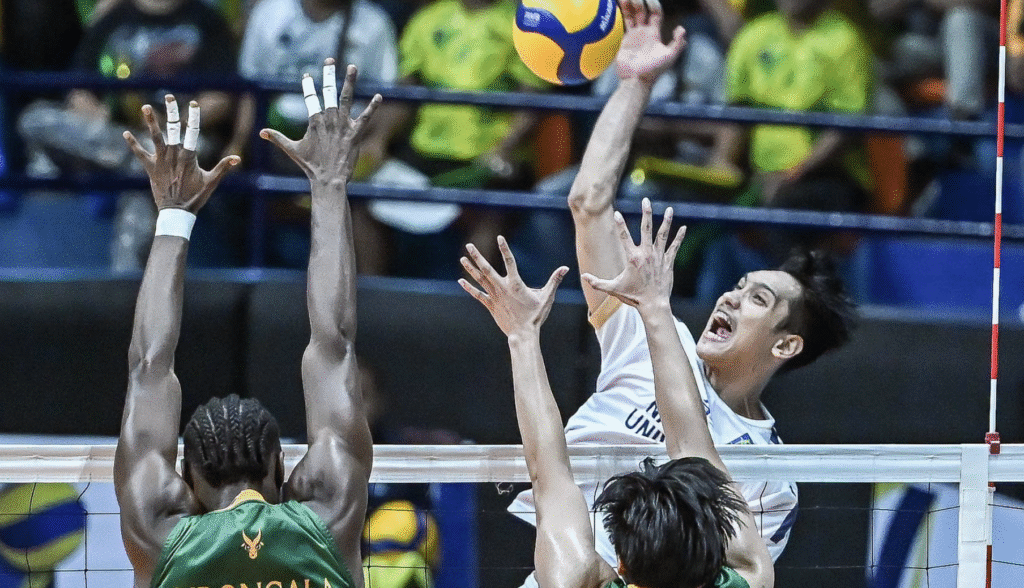
“May surprises yan. Beach volleyball, podium yan.”
Previous Success Establishes Higher Expectations
The Philippines enters Aichi and Nagoya after producing its most successful Asian Games performance in terms of gold medals during the Hangzhou edition. Team Philippines captured four gold medals, two silver medals, and twelve bronze medals, establishing a new national benchmark at the continental competition.
Those victories came through EJ Obiena in athletics, Meggie Ochoa and Annie Ramirez in jiu-jitsu, and Gilas Pilipinas in men’s basketball. Matching that achievement would already represent another successful campaign, while exceeding four gold medals would establish another historic milestone for Philippine sports.
Stronger Athlete Pipeline Supports Long-Term Progress
Unlike previous Asian Games cycles, the country’s medal projections now extend across several independent sports rather than concentrating on one or two disciplines. Greater competitive depth also reduces pressure on individual athletes while improving the likelihood of multiple podium finishes throughout the competition.
Broader Investment Continues Strengthening Philippine Sports
Over the past several Olympic cycles, Philippine sports has steadily diversified through stronger grassroots programs, expanded international exposure, improved coaching, and greater access to sports science. Those developments have helped produce internationally competitive athletes across athletics, gymnastics, swimming, tennis, boxing, weightlifting, and combat sports instead of relying primarily on basketball.
That broader development model strengthens long-term sustainability because medal opportunities no longer depend exclusively on a single federation or athlete. Continued investment across multiple sports may allow Team Philippines to remain consistently competitive in future Asian Games, Olympic Games, and other major international competitions.
Balanced Development Creates More Medal Opportunities
Successful multi-sport nations generally build sustained international success through depth rather than depending on isolated championship performances. The Philippines now appears closer to that model after producing competitive athletes across numerous Olympic and Asian Games disciplines.
Industry Analysis: The Talent Pool Keeps Growing
Recent international performances suggest Philippine sports has entered a period of broader competitive growth driven by stronger athlete development systems and increased international exposure. Programs in athletics, gymnastics, tennis, swimming, boxing, weightlifting, and jiu-jitsu have consistently produced athletes capable of competing against Asia’s highest-ranked performers, expanding the country’s realistic medal opportunities.
Even with encouraging progress, medal projections remain dependent on athlete health, qualification, competition schedules, and performances during the Games themselves. The country’s expanding talent base nevertheless provides greater flexibility than previous Asian Games cycles, supporting the Philippine Olympic Committee’s confidence that Team Philippines can challenge its historic four-gold benchmark.
Source Note: This article is based on reporting by Luisa Morales and supplemented with publicly available information from the Philippine Olympic Committee, the Olympic Council of Asia, and official international sports federations.
Frequently Asked Questions
How many gold medals is Team Philippines targeting at the Asian Games?
The Philippine Olympic Committee believes Team Philippines has the capability to surpass its previous record of four Asian Games gold medals.
Why is Gilas Pilipinas facing a difficult title defense?
Scheduling conflicts involving the FIBA Basketball World Cup Asian Qualifiers and overseas professional leagues have limited player availability for the national team.
Which athletes are expected to lead the Philippine medal campaign?
Among the country’s leading medal hopefuls are EJ Obiena, Carlos Yulo, Alex Eala, Carlo Paalam, Kayla Sanchez, and several national teams in combat sports.
What was the Philippines’ best Asian Games performance?
Team Philippines won four gold medals, two silver medals, and twelve bronze medals during the Hangzhou Asian Games, setting a national record.
Disclaimer: Headline Image from GMA Network.