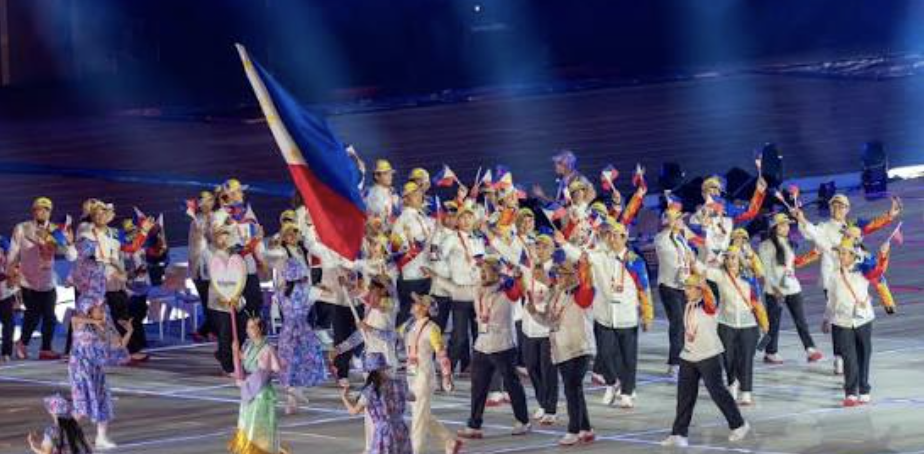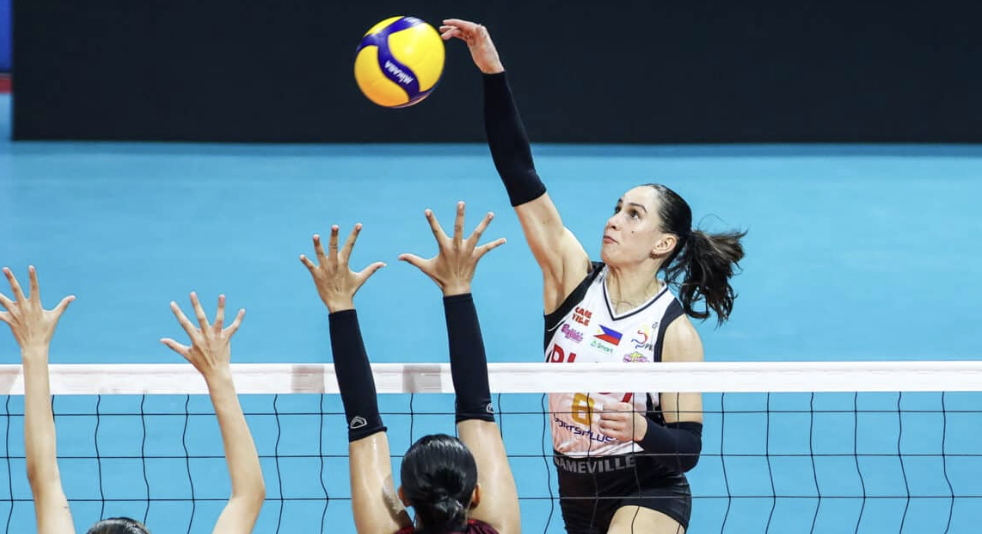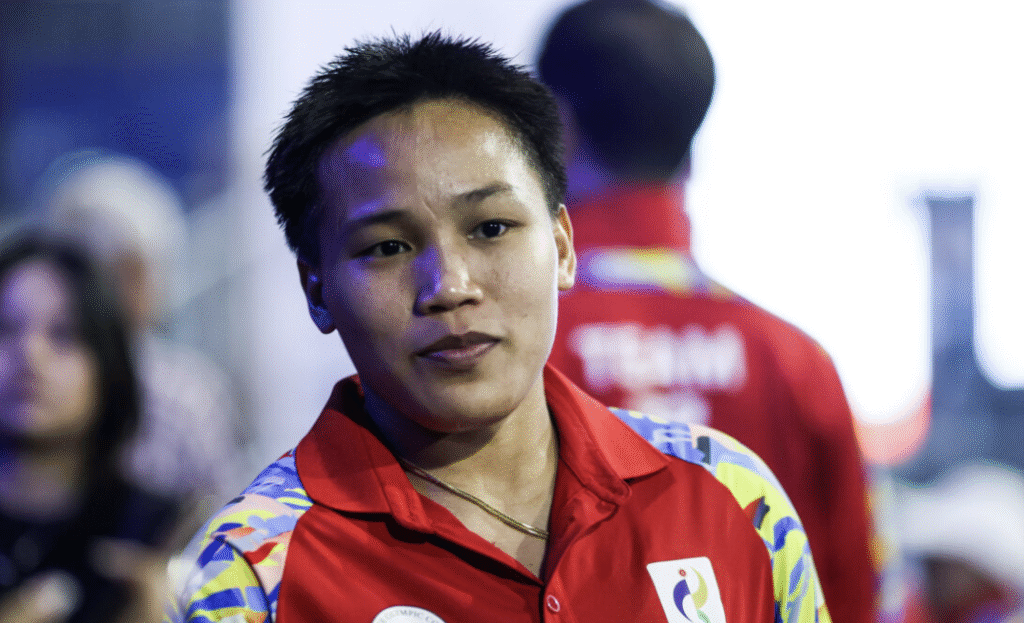
The Philippine sepak takraw team enters the Asian Games carrying clear medal expectations following encouraging international performances. Recent King’s Cup success strengthens confidence, but difficult group assignments immediately place those ambitions against elite regional opposition.
Philippine Sepak Takraw Sets Clear Asian Games Medal Target
Philippine Sepak Takraw Association Inc. president Karen Tanchanco-Caballero said national athletes accepted a medal-or-resignation challenge before Japan. The arrangement means players would voluntarily step aside from the national program should they return without an Asian Games medal.
INQUIRER.net highlighted Caballero’s comments during the Philippine Sportswriters Association Forum at the Philippine Sports Commission media room. She argued that sustained government support creates corresponding expectations for athletes and coaches representing the country at major competitions.
“I’d like to share that there is already a courtesy resignation on all athletes if they do not come home with a medal,” Caballero said.
“Ready sila. Handa rin sila because they have to give way din. I mean we have given them all the support they needed for so many years. So it’s only fair for the Filipino taxpayers who pay for their allowances and support. So kumbaga, we only expect the best performance from our athletes and coaches.”
King’s Cup Medals Strengthen Confidence Before Japan
The Philippines arrives with recent international momentum after collecting two medals at the ISTAF World Sepaktakraw Championship-39th Thai King’s Cup. The men’s regu captured a historic silver medal, while the women’s quadrant secured bronze during the Bangkok competition.
Those performances followed the Philippines’ Asian Games breakthrough in Hangzhou, where sepak takraw ended a 33-year podium drought. Filipino athletes captured bronze medals in both the men’s regu and men’s quadrant during the 2022 Asian Games.
“They are ready. They have extensively prepared for this, and I’m confident naman sa preparations ng ating coaching team,” Caballero said.
King’s Cup Challenge Tested Asian Games Readiness
Caballero said the federation imposed a similarly demanding standard before allowing its athletes to proceed toward the Asian Games. Their King’s Cup medal performances ultimately provided competitive evidence that both Philippine squads could challenge strong international opposition.
“It’s the same challenge presented to them by the NSA during the Kings’ Cup. They come home with no medal, no one’s going to the Asian Games. Simply because if you can’t beat anybody in the World Cup, wala rin kayong tatalunin sa Asiad. We are not going to be tourists when we go to Japan. So we mean business.”
Thailand Headlines Difficult Group Assignments for Philippines
The Philippine men’s regu will compete against Thailand and host Japan, immediately creating a demanding route through competition. Thailand remains among sepak takraw’s established powers, leaving little margin for inconsistency when the Filipinos begin their medal pursuit.
The women’s quadrant faces an equally demanding assignment against Vietnam, Thailand, and India during the Asian Games competition. Caballero acknowledged the difficulty of those opening matchups while emphasizing that the national squads have prepared extensively beforehand.
“So bugbugan na tayo kaagad,” Caballero said.
Veteran Medalists Lead Philippine Sepak Takraw Campaign
Jom Lerry Rafael brings valuable championship experience after contributing to the Philippines’ King’s Cup silver and Hangzhou Asian Games bronze. He joins Jason Huerte, Reynaldo Asilum, Ronsited Gabayeron, and Glindel Phori among the athletes spearheading the men’s campaign.
Mary Ann Lopez, Kristine Lapsit, Rachelle Palomar, Nieva Jane Salon, Heart Makiling, and Rhea Mae Dela Cruz headline the women. Their immediate challenge involves translating extensive preparation into consistent execution against several of Asia’s strongest sepak takraw programs.
Analytical Breakdown
Sepak takraw demands precise coordination because one poor first touch can quickly disrupt an entire attacking sequence under pressure. Recent King’s Cup medals suggest the Philippines enters Japan with competitive momentum rather than relying exclusively on past Asian Games success. Facing Thailand early should immediately test whether improved preparation translates into dependable execution against one of the region’s strongest programs.
The medal mandate creates additional pressure, making composure especially important whenever matches tighten during decisive stages of the tournament. Hangzhou demonstrated that Philippine sepak takraw can reach the Asian Games podium after ending its lengthy medal drought. Repeating that achievement will require disciplined receiving, consistent serving, and efficient attacking throughout demanding matches against established regional opponents.