The Philippine Open avoided a damaging interruption after securing government backing following the withdrawal of its previous title sponsor. A $1-million purse keeps the historic championship on schedule while preserving another significant Asian Tour opportunity for Filipino golfers.
PSC Steps In With $1 Million Philippine Open Commitment
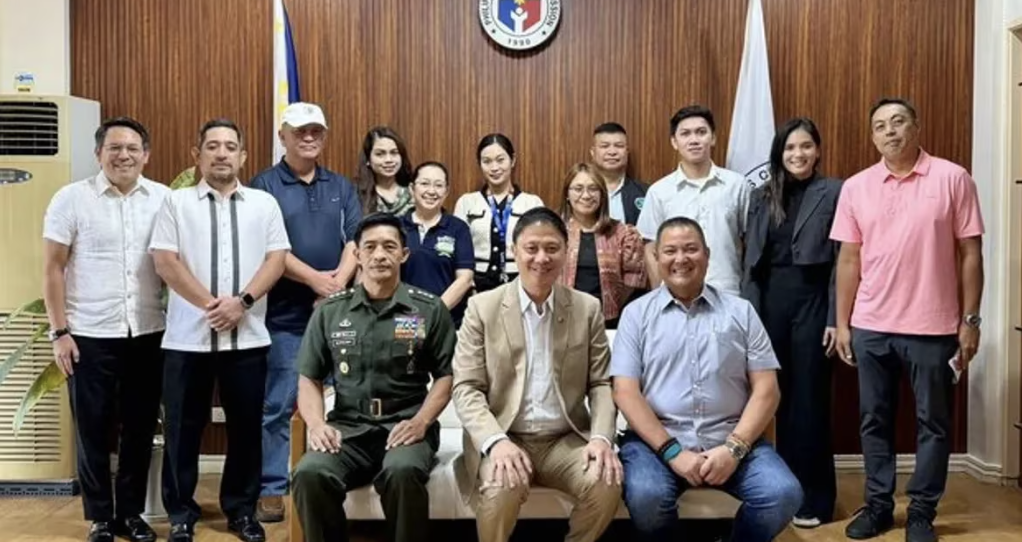
Philstar.com detailed the Philippine Sports Commission’s $1-million commitment, worth approximately P63 million, toward staging the upcoming championship. The 72-hole Philippine Open begins November 12 at Manila Southwoods’ Masters course in Carmona, Cavite, featuring Asian Tour competition.
PSC chairman Patrick Gregorio described preserving the tournament as important because of its place within Philippine sporting tradition. Government intervention provides financial stability after uncertainty threatened an event carrying more than a century of competitive golf history.
“It is a tradition that the PSC certainly wants to continue with.”
“We wouldn’t want such a big event be put on the shelf. It’s the Philippine Open, it’s the pride of the country.”
Government Support Protects a Historic Sporting Property
The Philippine Open traces its history to 1913, giving the championship significance extending beyond one professional golf season. Maintaining continuity also protects opportunities for Filipino players to test themselves against established international professionals without leaving the country.
Sponsor Withdrawal Put Tournament Schedule Under Pressure
The championship faced uncertainty after BingoPlus withdrew as title sponsor shortly before preparations entered their final stages. That departure threatened the tournament before the Asian Tour and National Golf Association of the Philippines helped preserve its schedule.
The PSC’s commitment subsequently gave organizers a substantial purse capable of maintaining the event’s standing on the Asian Tour calendar. Preserving that status matters because prize money and tour sanctioning influence field quality, ranking opportunities, and international tournament visibility.
Late Funding Crisis Exposed Tournament’s Financial Vulnerability
Losing a major sponsor close to tournament week demonstrates how quickly even established sporting events can face operational uncertainty. Long-term stability will require diversified commercial partnerships rather than depending heavily upon emergency intervention whenever one major backer withdraws.
Tabuena Leads Strong Philippine Challenge at Southwoods
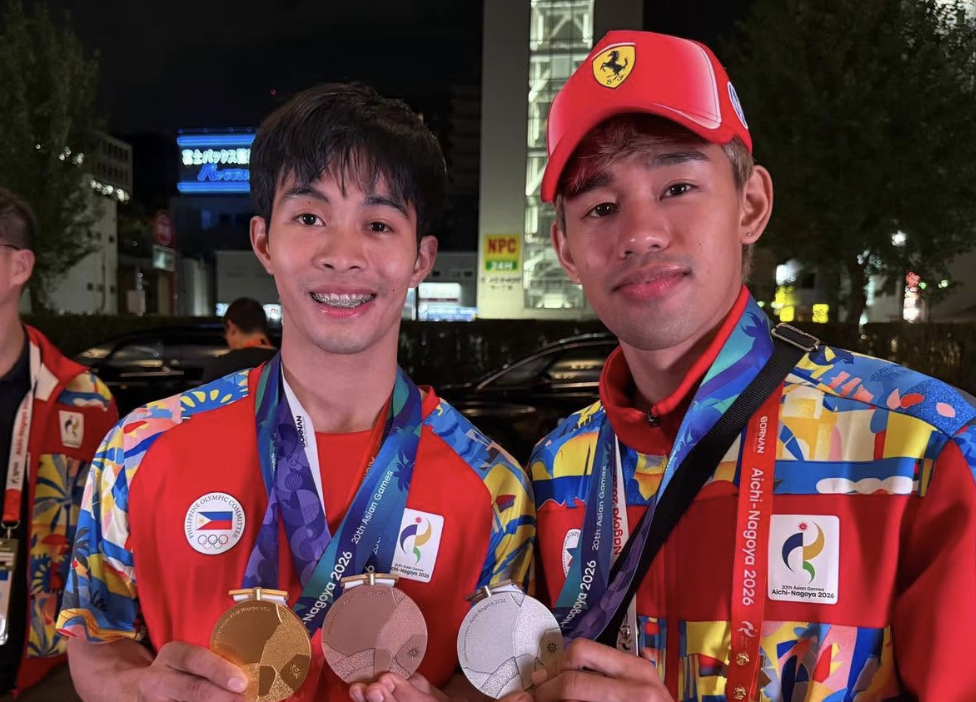
Miguel Tabuena headlines the Filipino field alongside fellow Asian Games representatives Justin delos Santos and Carl Corpus at Southwoods. Tabuena brings considerable course familiarity and enters seeking another championship after previously winning the Philippine Open twice during his career.
Veteran Angelo Que adds another former champion to the local challenge while enjoying one of his strongest recent competitive stretches. Their presence gives Philippine golf experienced contenders capable of challenging international players expected to arrive for the November tournament.
Home Tournament Gives Filipinos Valuable Asian Tour Opportunity
Competing against an Asian Tour field at home removes some travel demands while preserving a high international competitive standard. Filipino golfers can also benefit from course familiarity, although those advantages matter only when converted into disciplined execution across four rounds.
Julien Sale Expected to Lead International Field
French golfer Julien Sale won the Philippine Open’s revival last year and is expected to return among the foreign challengers. His presence gives the tournament a defending champion while strengthening the competitive standard facing Tabuena and the other Filipino contenders.
A strong international field also increases the championship’s developmental value for younger local professionals receiving opportunities within the tournament. Measuring their games against established Asian Tour competitors can reveal weaknesses that domestic competition may not consistently expose.
International Competition Raises Value Beyond Prize Money
The Philippine Open provides more than a substantial purse when its field includes experienced players from across the Asian Tour. Quality opposition forces local competitors to manage scoring pressure, course strategy, and tournament situations against players accustomed to international conditions.
Southwoods Prepares Tougher Masters Course for Open
Manila Southwoods is preparing its Jack Nicklaus-designed Masters layout to provide a more demanding examination during the November championship. Course management has allowed rough to grow while narrowing fairways, increasing the potential punishment awaiting inaccurate drives from competitors.
Those adjustments should place greater importance on tee-shot positioning rather than allowing players unrestricted attacking opportunities throughout the layout. Familiarity may benefit local players, but tighter landing areas can quickly neutralize that advantage when execution becomes inconsistent.
Narrower Fairways Change Strategic Demands From the Tee
Growing rough and reducing fairway width increases the value of controlling placement instead of simply maximizing driving distance. Players must balance aggression against preferred approach angles because repeated misses could make scoring considerably harder throughout the 72-hole championship.
Philippine Open Survival Carries Longer-Term Importance
Keeping the Philippine Open alive protects a championship that has already endured interruptions caused by disputes, severe weather, and pandemic disruption. Its return last year restored an important fixture connecting Philippine professional golf with the broader Asian competitive circuit.
The immediate challenge has been solved through the PSC’s financial commitment, but sustainable funding remains the larger organizational issue. A historic tournament becomes stronger when dependable commercial structures protect its future without requiring last-minute rescue efforts before each staging.
Stability Can Strengthen Philippine Golf’s International Platform
Regular Asian Tour competition gives Filipino golfers recurring opportunities to compete internationally while remaining visible before their home audience. Preserving that platform matters, but building dependable sponsorship around it would provide greater security than repeated short-term financial solutions.
Analytical Breakdown
Saving the Philippine Open preserves a rare home opportunity for Filipino golfers to measure themselves against proven Asian Tour competition. Southwoods’ narrower setup should reward disciplined positioning, making course management equally important as distance throughout four demanding rounds. The bigger challenge is creating stable sponsorship so this historic championship never again approaches cancellation because one major partner withdraws.