Four in Ten Filipino Adolescents Miss Daily Activity Recommendations
Senator Christopher Bong Go urged Filipino teenagers to embrace sports after new WHO estimates highlighted widespread adolescent physical inactivity. The study estimated 40.3% recorded no day reaching 60 minutes of moderate-to-vigorous activity during the previous week.
Bong Go Urges Youth Sports After WHO Activity Findings
Go called for stronger sports participation among Filipino teenagers following the release of new World Health Organization physical activity estimates. Daily Tribune covered his November appeal after the findings showed the Philippines exceeding the estimated global zero-active-day proportion.
The senator linked regular sports participation with healthier lifestyles while urging young Filipinos to avoid illegal drugs and harmful activities. He also highlighted potential long-term health concerns associated with insufficient physical activity beginning during adolescence.
“Get into sports and stay away from drugs to keep healthy and fit.”

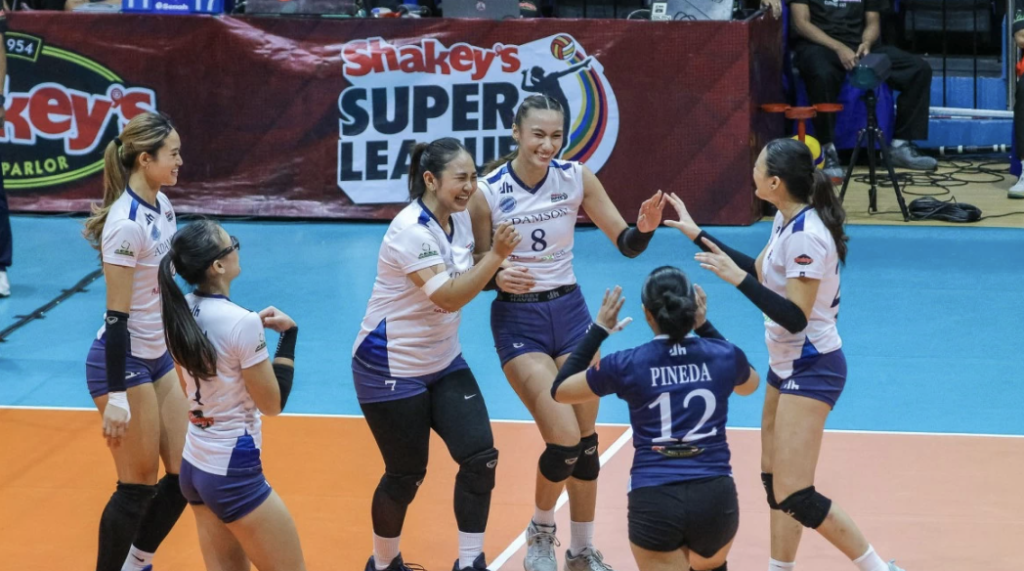
Image from: Daily Tribune
Senator Links Sports Participation With Healthy Lifestyles
Go identified cardiovascular disease, obesity, and type 2 diabetes among health concerns associated with insufficient physical activity. WHO separately identifies physical inactivity as a major risk factor for heart disease, type 2 diabetes, and some cancers.
WHO Estimates 40.3% of Filipino Adolescents Had No Active Day
The study estimated 40.3% of Filipino adolescents aged 11–17 reported zero qualifying active days during the preceding week. That measure means respondents reported no day accumulating at least 60 minutes of moderate-to-vigorous physical activity.
It does not mean four in ten Filipino adolescents performed absolutely no physical activity throughout the entire seven-day period. Someone exercising for less than 60 minutes daily would still record zero active days under the study’s defined threshold.
Study Uses Self-Reported Seven-Day Activity Data
WHO defines an active day as one containing at least 60 accumulated minutes of moderate-to-vigorous physical activity. Estimates primarily used self-reported survey responses asking adolescents how many qualifying active days they completed during the previous week.
Philippine Figure Exceeds Global Estimate by 15.3 Points
Globally, approximately one in four adolescents reported no qualifying active day, representing an estimated 240 million young people. The Philippine estimate of 40.3% exceeded that roughly 25% global level by approximately 15.3 percentage points.
Using those published percentages, the Philippine proportion was approximately 1.6 times the corresponding worldwide estimate for zero active days. However, that comparison alone does not establish which social, environmental, or economic factors produced the difference between populations.
Global Study Covers More Than 3.2 Million Adolescents
Researchers analyzed 389 population-based surveys covering more than 3.2 million adolescents across 140 countries and territories worldwide. The pooled analysis examined national, regional, and global physical activity trends among adolescents aged 11–17 from 2010 through 2025.
Recommended Article: Gregorio Says Siargao WSL Opens Doors for PH Surfers
Global Adolescent Activity Shows Little Progress Since 2010
WHO said adolescent physical activity showed virtually no global improvement during the 15 years covered by the latest analysis. Adolescents averaged only 2.7 qualifying active days weekly, while 14% reported reaching the threshold on all seven days.
The research also identified a persistent global gender gap, with girls recording lower activity levels than boys across most countries. 28% of girls reported no active days globally, compared with 22% of boys included in the estimates.
Girls Remain Less Active Across Most Countries
Only 11% of girls globally reported seven active days, compared with 1% of adolescent boys. These figures describe worldwide patterns and should not automatically be interpreted as equivalent Philippine-specific differences without corresponding national estimates.
WHO Calls for Action Beyond Individual Sports Participation
WHO’s interpretation extends beyond encouraging individual adolescents to exercise more frequently or participate regularly in organized sports. The organization identifies schools, transportation, urban planning, public spaces, affordability, social norms, and recreational opportunities as influencing activity levels.
WHO has called for coordinated action across education, transport, urban planning, sport, and health to increase physical activity opportunities. Its recommendations include safer walking and cycling routes, stronger school-based opportunities, active communities, and accessible public recreational spaces.
Safe Environments Shape Opportunities for Physical Activity
WHO Director-General Tedros Adhanom Ghebreyesus said improving adolescent activity requires environments making movement safe, easy, and normal. That perspective places Go’s sports appeal within a broader public-health challenge involving opportunities available where adolescents live, study, and travel.
Industry Analysis: Philippine Youth Activity Figures Require Context
The Philippine estimate provides a measurable indication of adolescent activity but should not be interpreted as complete physical inactivity. Its 40.3%figure measures adolescents reporting zero days reaching the defined 60-minute threshold during the preceding seven days.
The 15.3-percentage-point difference from the global estimate establishes a substantial statistical gap without identifying its underlying causes. WHO’s broader findings indicate that activity patterns reflect multiple environmental and social conditions alongside individual choices about sports and exercise.
Source Note: World Health Organization research provides adolescent activity estimates, methodology, global comparisons, health context, and documented environmental factors affecting participation. Daily Tribune reporting provides Bong Go’s response, direct quotation, and Philippine political context following publication of the WHO findings.
Frequently Asked Questions
What did Bong Go say about youth sports?
Bong Go encouraged Filipino teenagers to participate in sports, maintain active lifestyles, and avoid illegal drugs and harmful activities.
What percentage of Filipino adolescents reported no active days?
WHO estimates indicated 40.3% reported no day reaching 60 minutes of moderate-to-vigorous activity during the previous week.
How does WHO define an active day?
WHO defines an active day as one containing at least 60 accumulated minutes of moderate-to-vigorous physical activity for adolescents.
How does the Philippine figure compare globally?
The Philippine estimate of 40.3% was 15.3 percentage points above the approximately 25%global zero-active-day estimate.
How large was the global adolescent activity study?
The analysis covered 389 population-based surveys involving more than 3.2 million adolescents across 140 countries and territories worldwide.
Disclaimer: Headline Image from Daily Tribune.