Community Initiatives Strengthen Football Across PH
Philippine football’s long-term growth is increasingly being shaped by schools, academies, and community-based development programs nationwide. While international results often receive the most attention, much of the sport’s progress begins far from professional stadiums.
Over the past decade, more young players have gained access to structured coaching, organized competitions, and development pathways. These opportunities have created a stronger football ecosystem capable of producing talent for universities, professional clubs, and national teams.
Community Programs Strengthen Youth Football Pipeline
A recent report by Bernardo M. Villegas in BusinessWorld examined how private institutions continue supporting football development throughout the Philippines. The piece emphasized the growing role of schools, academies, and community organizations in building future generations of players.
The column also noted that Philippine football’s development model is becoming increasingly diverse and interconnected. Instead of relying on a single pathway, young athletes now have multiple opportunities to develop their skills.
Development Pathways Continue to Expand
Youth players today can access football through schools, academies, community programs, and scholarship opportunities. This broader network provides significantly more options than previous generations of Filipino footballers enjoyed.
Structured pathways also improve player retention by keeping young athletes involved throughout critical developmental stages. Consistent participation often becomes one of the most important factors behind long-term player growth.
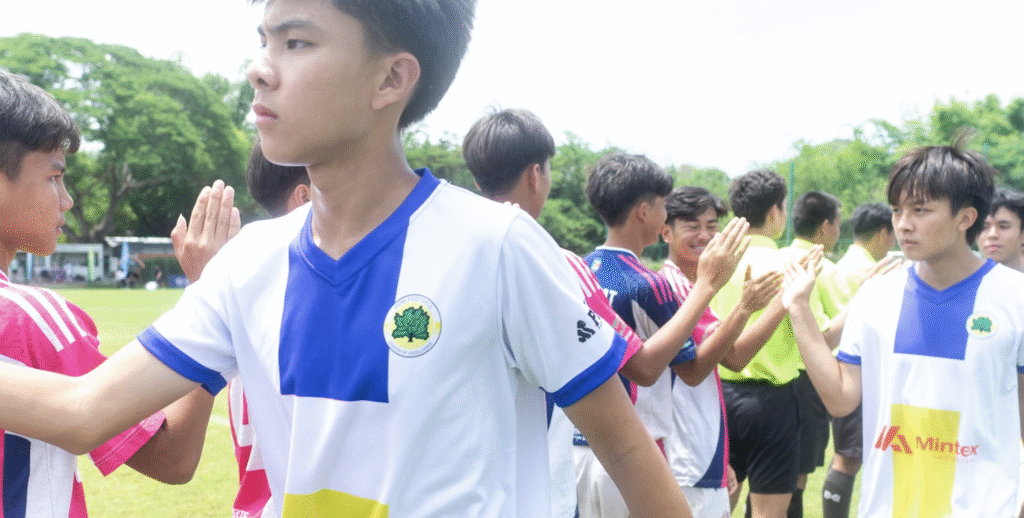
Image from: GOM Football Center of Excellence/Facebook
Grassroots Football Forms the Foundation of Future Success
Strong football nations rarely emerge through short-term initiatives or isolated success stories at senior level competitions. Most successful programs spend years developing players through grassroots systems before seeing results internationally.
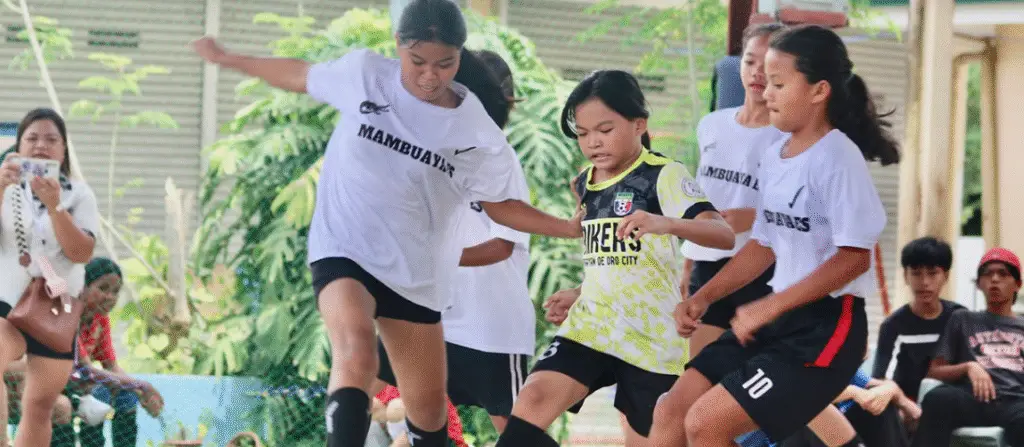
The Philippines has gradually strengthened that foundation through local competitions, coaching programs, and youth-centered development projects. These efforts continue expanding football’s reach into communities that previously had limited access to organized training.
Grassroots Programs Create Early Learning Opportunities
Grassroots football introduces children to fundamental technical skills, teamwork principles, and healthy sporting habits. Early exposure often helps players develop confidence while building a long-term connection with the sport.
Community-based programs also increase participation rates by making football accessible to families from different backgrounds. Larger participation numbers typically improve the chances of discovering talented players across multiple regions.
Football Academies are Producing Better-Prepared Players
Private football academies have become increasingly important within the country’s player development structure during recent years. Many now provide year-round training environments that complement traditional school-based football programs.
Organizations such as Aguila FC Youth Academy, Makati Football Club, Barça Academy Manila, Global Football Academy Philippines, and the GOM Football Center of Excellence continue expanding development opportunities. Their programs often combine technical instruction, tactical education, physical preparation, and character development.
Modern Academies Offer More than Technical Training
Academies now emphasize leadership, discipline, communication, and decision-making alongside traditional football instruction. These qualities often become just as valuable as technical ability throughout a player’s career.
Many academies also maintain relationships with schools, universities, and international organizations that create additional opportunities. Exposure to broader football networks can help players pursue scholarships and competitive opportunities abroad.
Schools Continue Serving as Essential Talent Factories
Despite the growth of private academies, schools remain one of the most important contributors to Philippine football. Educational institutions continue providing competitive environments where players regularly apply lessons learned during training sessions.
Many of the country’s strongest football programs have developed reputations for producing disciplined and technically capable athletes. These schools help bridge the gap between grassroots participation and higher levels of competition.
Several Schools Maintain Strong Football Traditions
Southridge School, Claret School of Quezon City, Ateneo de Manila High School, Xavier School, and De La Salle Zobel remain respected football programs. Their consistent investment in coaching, facilities, and competition continues supporting player development.
Some alumni have progressed to collegiate leagues, professional clubs, and national team programs. These success stories demonstrate the long-term value of sustained investment in school football.
Community Organizations Use Football Beyond Competition
Football’s influence extends well beyond winning matches and developing elite athletes for professional environments. Several organizations now use the sport as a platform for education, mentorship, and community development initiatives.
Groups such as FundLife, Football for Humanity, and the Younghusband Football Academy have expanded football’s social impact. Their programs often focus on creating positive opportunities for young people through sport.
Football Creates Opportunities Beyond the Pitch
Many community initiatives combine football training with educational support and life-skills development programs. This approach helps participants build confidence while learning valuable personal and social skills.
These programs also strengthen local football cultures by introducing the sport to underserved communities. Increased participation often contributes to both community engagement and future player development.
The School-and-Academy Hybrid Model is Driving Progress
One of the most important developments in Philippine football is the growing partnership between schools and academies. Instead of choosing one pathway, many players now benefit from both development environments simultaneously.
This hybrid model provides more training hours, additional competition exposure, and access to specialized coaching instruction. Similar systems have been used successfully in several established football nations around the world.
Dual Development Pathways Offer Unique Advantages
Schools provide competitive matches, educational stability, and structured team environments throughout the academic calendar. Academies supplement that experience through focused technical development and additional training opportunities.
The combination allows players to receive broader football education while maximizing developmental opportunities. Many of today’s top prospects are already benefiting from this integrated approach.
Youth Academies Expand Opportunities in Philippine Football
Challenges remain within infrastructure development, coaching accessibility, and regional resource distribution across the country. However, the overall trajectory of Philippine football continues moving in a positive direction.
The emergence of stronger academies, committed schools, and active community organizations has expanded the talent pipeline considerably. Young players now enjoy opportunities that were far less common only a decade ago.
Long-Term Growth Depends on Continued Collaboration
Future progress will require cooperation among schools, academies, clubs, local governments, and football stakeholders. Sustainable development rarely comes from individual efforts working in isolation.
The encouraging reality is that many of those connections already exist and continue strengthening annually. If that momentum continues, Philippine football could further improve its competitiveness throughout Asia.
Analytical Breakdown: Schools and Academies Drive Growth
Player development pathways look very different today compared to previous generations of Filipino footballers. Having played football for years and followed youth development systems closely, I have seen how regular training environments often shape players more than occasional tournaments. Consistent coaching, structured competition, and year-round development opportunities are usually where long-term progress begins.
The growing relationship between schools and academies is another important shift within Philippine football. School programs provide competitive matches and educational support, while academies offer specialized technical instruction and additional training hours. Many successful football nations rely on similar development structures, making this combination an important part of the country’s long-term growth.
Frequently Asked Questions
Why are football academies important in the Philippines?
They provide specialized coaching, competitive opportunities, and additional player development pathways.
Which schools are known for football development?
Southridge, Claret, Ateneo, Xavier, De La Salle Zobel, and several other established programs.
Who is Sandro Reyes?
He is a Philippine national team player who trained at La Masia and played professionally abroad.
What is the hybrid football development model?
It combines school football and academy training to create broader development opportunities.
Can Philippine football compete with top Asian nations?
Progress is being made, though continued investment and development remain necessary.
Disclaimer: Headline Image from BusinessWorld