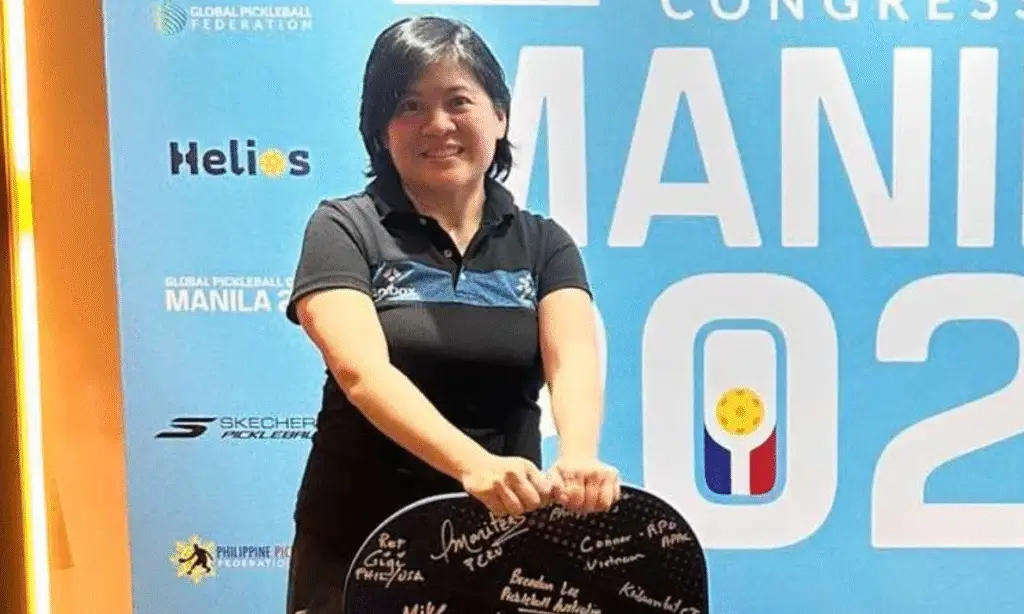
Shery Anne Cu Drives Governance and Growth in Pickleball
One unexpected defeat transformed Shery Anne Cu from a curious newcomer into one of the driving forces behind Philippine pickleball’s rapid rise. Today, the Philippine Pickleball Federation (PPF) president is focused on building a structured pathway that develops elite athletes while making the country a recognized destination for international competition.
Her vision extends beyond winning medals because she believes sustainable growth depends on strong governance, credible tournaments, and opportunities available to players at every level. Those priorities have become central to the federation’s long-term plans as pickleball continues expanding across the Philippines.
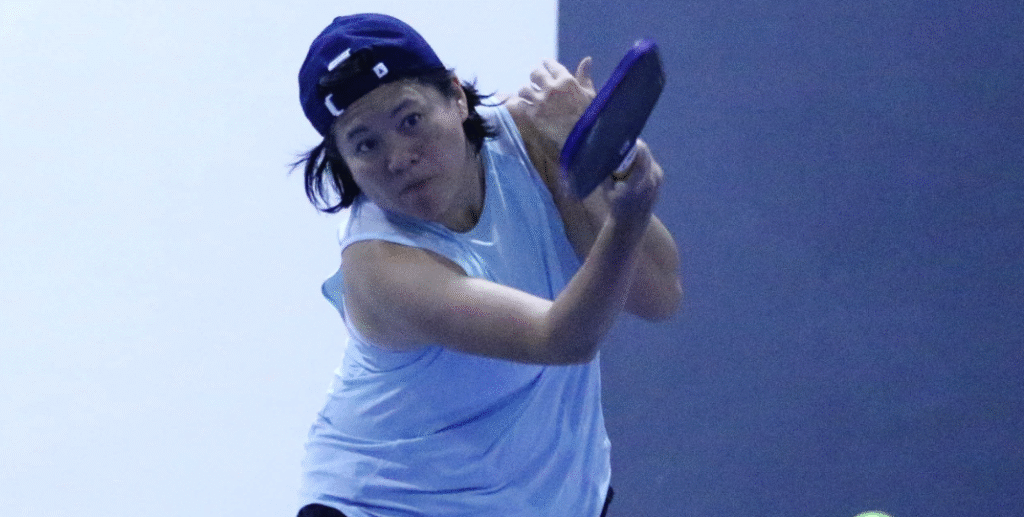
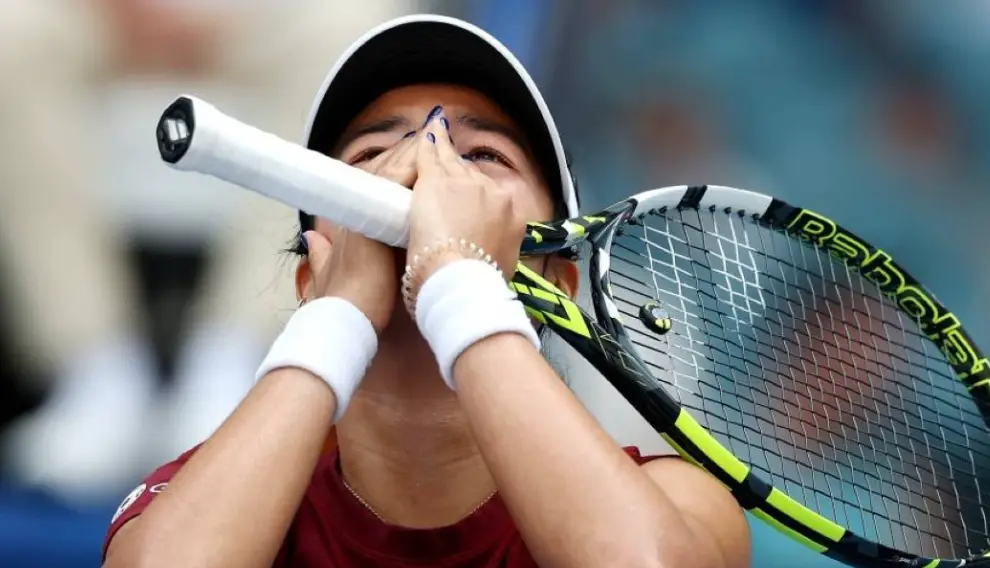
Image from: Daily Tribune
One Unexpected Loss Changed Everything
Shery Anne Cu entered pickleball with experience in several racket and team sports, expecting her athletic background to produce immediate success on the court. Daily Tribune journalist Ivan Suing reported that an early defeat instead became the defining moment that changed her perspective and commitment to the rapidly growing sport.
Rather than becoming discouraged, Cu embraced the challenge and continued playing until curiosity developed into genuine passion for competition. That experience eventually inspired her to help build opportunities for thousands of Filipino players pursuing the sport today.
Defeat Became Lasting Motivation
Cu admitted that losing to an older opponent completely changed how she viewed pickleball and motivated her to improve.
“You become addicted. You think, ‘How can I lose? I can do this.’ But the person who beat me was much older. That’s where you get hooked.”
She explained that the sport’s accessibility and competitive nature quickly convinced her to remain involved.
“It’s easy to pick up. If you’re persistent, like me, who becomes addicted and plays a few days a week, it’s really fun.”
Federation Focus Extends Beyond Winning Championships
As president of the Philippine Pickleball Federation, Cu wants to create an environment where athletes can develop through organized competitions and transparent ranking systems. Her long-term vision centers on strengthening governance while helping Filipino players compete successfully on the international stage.
Developing sustainable systems has become just as important as producing elite competitors because structured pathways encourage long-term participation throughout every level of the sport. The federation has already introduced a national ranking and points system to improve fairness while supporting athlete development.
National Structure Drives Long-Term Growth
Cu believes strong governance provides the foundation needed for Philippine pickleball to continue progressing internationally.
“It is really the passion for pickleball and for the players. My motivation is wanting to put the Philippine pickleball community on the world stage.”
The federation’s ranking and sanctioning systems are also designed to create clear opportunities for players seeking consistent competitive development across the country.
Recommended Article: Cebu Eyes New Public Pickleball Court Location
Former Tennis Players Continue Discovering Pickleball
Like many emerging sports, pickleball initially faced skepticism from athletes who questioned whether it could match the competitiveness of established racket sports. Cu experienced those doubts firsthand, especially from family members who had spent years playing tennis before trying pickleball themselves.
Their opinions quickly changed after stepping onto the court because the sport demanded strategy, consistency, quick reactions, and tactical decision-making. That experience mirrors a broader trend as more former tennis players across the Philippines continue embracing pickleball’s fast-paced style.
Family Experience Changed Long-Held Opinions
Cu shared how one friendly challenge helped change her family’s perspective about the sport.
“One of my brothers is really into tennis. Usually, tennis players feel that pickleball is not a real sport because tennis is the real sport.”
She recalled how that opinion shifted after they finally competed together.
“My brother told me, ‘Let’s play singles,’ but he lost. Now, other tennis players play pickleball. My other brother plays recreationally, and my dad likes it, too.”
Governance Remains the Federation’s Top Priority
Rapid participation has created exciting opportunities, but it has also increased the importance of establishing clear standards for tournaments, rankings, and organizational leadership. Cu believes strong governance will determine whether Philippine pickleball can sustain its remarkable growth over the coming years.
The federation continues strengthening its national structure by promoting sanctioned competitions and consistent ranking systems recognized throughout the local pickleball community. Those initiatives also help create a stronger pathway toward international competition while improving credibility across every level of the sport.
Standardized Systems Build Credibility
Cu emphasized that sustainable growth depends on implementing governance that benefits athletes, tournament organizers, and the broader pickleball community.
“Right now, we really need people to get behind the federation so that our governance and structure can be formed, followed, implemented, and executed.”
She also explained why sanctioned events and recognized rankings remain essential.
“What’s important is that we put structure in place so we can have national rankings and sanctioned tournaments that feed into the international federation.”
International Events Raise the Level of Competition
The Philippines is preparing to host the Professional Pickleball Association Asia 125 before welcoming the PPA Asia 500 Manila Open in 2027 with support from the Philippine Sports Commission. Hosting major international tournaments allows Filipino players to compete against higher-level opponents without leaving the country.
Exposure to different playing styles helps athletes accelerate their development while giving local fans opportunities to watch elite competition firsthand. Those events also strengthen the country’s reputation as one of Southeast Asia’s fastest-growing pickleball destinations.
Overseas Competition Accelerates Player Development
Cu believes competing against international opponents provides experiences that local tournaments alone cannot consistently replicate.
“We’re not after control. What we’re after is the best experience for all our players.”
She also explained how international competition contributes to long-term improvement.
“It’s really good to experience competing against international players because their style of play is different.”
“You will really experience it and level up after the tournament.”
Strong Foundations Support Long-Term Growth
Pickleball continues attracting participants across different age groups because the sport combines accessibility with meaningful long-term skill development. Beginners can enjoy immediate success while experienced competitors continue refining advanced strategies and techniques over many years.
The federation’s investment in rankings, coaching education, sanctioned tournaments, and international partnerships suggests Philippine pickleball is steadily transitioning into a more organized high-performance sport. Sustaining those initiatives could position the country among Southeast Asia’s leading pickleball programs in the years ahead.
Sustainable Development Remains the Long-Term Goal
Continued investment in governance, athlete development, and international competition provides a stronger foundation for future success. Those long-term priorities also create greater opportunities for players, coaches, officials, and tournament organizers throughout the Philippine pickleball community.
Analytical Breakdown: Strong Governance Sustains Pickleball Growth
Watching local pickleball communities grow has shown me that enthusiasm alone cannot sustain a sport for long. I’ve seen clubs thrive when tournaments are well-organized, rankings are trusted, and players understand how they can continue progressing. Those pieces give recreational players a reason to stay involved and competitive athletes something meaningful to pursue.
Shery Cu’s emphasis on governance reflects the same priorities I’ve seen in successful pickleball programs. Strong leadership creates consistency for players, coaches, and tournament organizers while strengthening confidence in the sport. Building those systems now gives Philippine pickleball a stronger foundation as participation and international opportunities continue expanding.
Frequently Asked Questions
Who is Shery Anne Cu?
Shery Anne Cu serves as president of the Philippine Pickleball Federation and actively leads the sport’s nationwide development.
Why did Shery Cu begin playing pickleball?
She became committed to the sport after an early defeat motivated her to improve and continue competing.
What is the Philippine Pickleball Federation currently developing?
The federation is strengthening governance, national rankings, sanctioned tournaments, and athlete development pathways.
Which major pickleball tournaments will the Philippines host?
The Philippines will host the PPA Asia 125 in 2026 and the PPA Asia 500 Manila Open in 2027.
Why do international pickleball tournaments benefit Filipino players?
International events expose local athletes to different playing styles while accelerating development through higher-level competition.
Disclaimer: Headline Image from ABS-CBN Website.