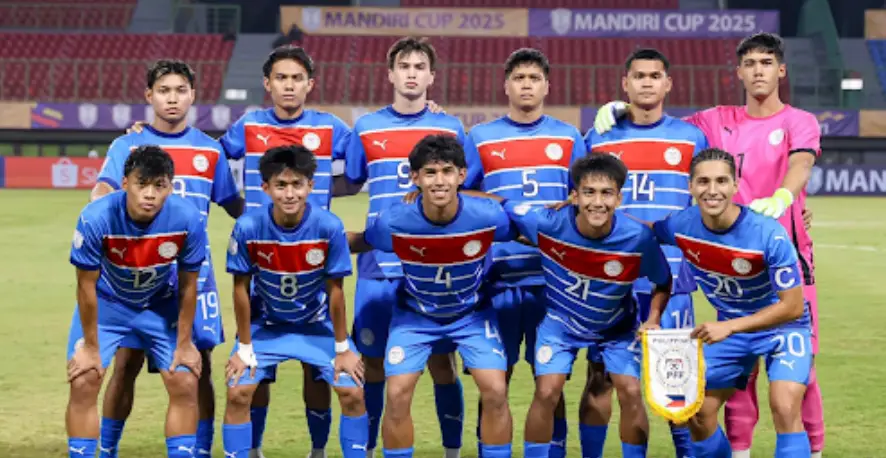
PH Men’s Football Gains Late Entry to 2026 Asian Games
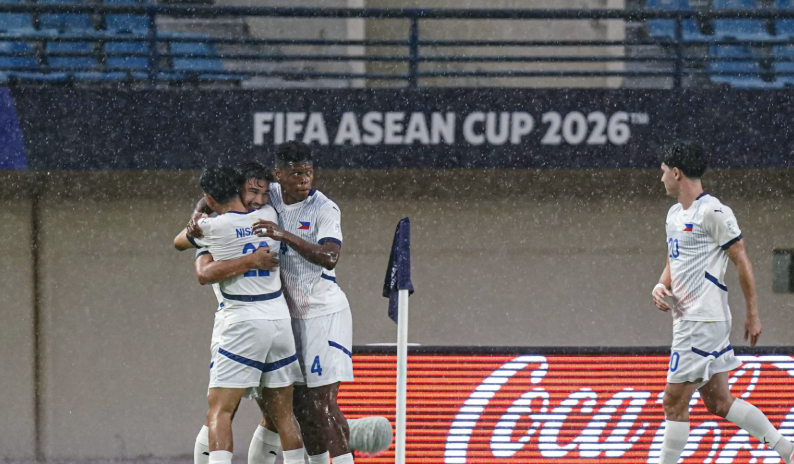
The Philippine men’s national football team has secured a place in the 2026 Aichi-Nagoya Asian Games following India’s withdrawal from the men’s football tournament. The late qualification gives the Philippines another opportunity to compete on one of Asia’s biggest sporting stages alongside the Filipinas, who had already qualified for the women’s competition.
The unexpected development also strengthens the country’s football program by providing another valuable international tournament for emerging players. Beyond securing another continental appearance, the qualification creates opportunities to accelerate player development before future AFC and FIFA competitions.
Image from: turkmenistaninfo.gov.tm
India’s Withdrawal Changes the Tournament Field
The final vacancy became available after the All India Football Federation decided not to send its men’s national football team to the Asian Games in Japan. Philippine News Agency journalist Jean Malanum reported that India’s decision stemmed from government selection policies requiring national teams to rank among the world’s top eight before competing in major multi-sport events.
That withdrawal elevated the Philippines into the 16-nation football tournament, creating an unexpected opportunity for the national program. Although qualification arrived under unusual circumstances, competing against Asia’s strongest football nations still provides valuable international experience for the squad.
Late Invitation Opens New Opportunity
The Philippines now joins an increasingly competitive field featuring many of Asia’s established football programs. Securing a place in the tournament also allows the coaching staff additional opportunities to evaluate emerging players against stronger international opposition.
Recommended Article: Ex-PH Football Chief Takes Over Finn Harps
Philippine Delegation Continues to Expand
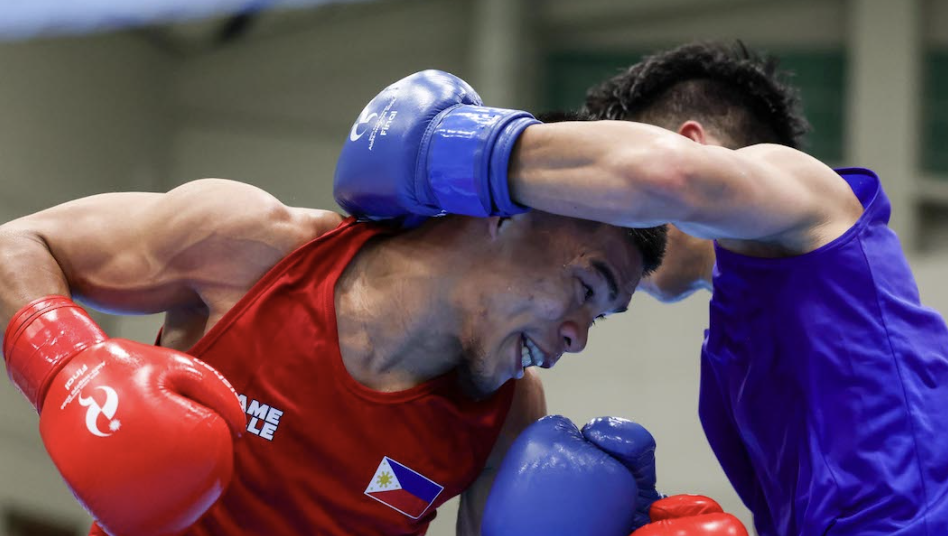
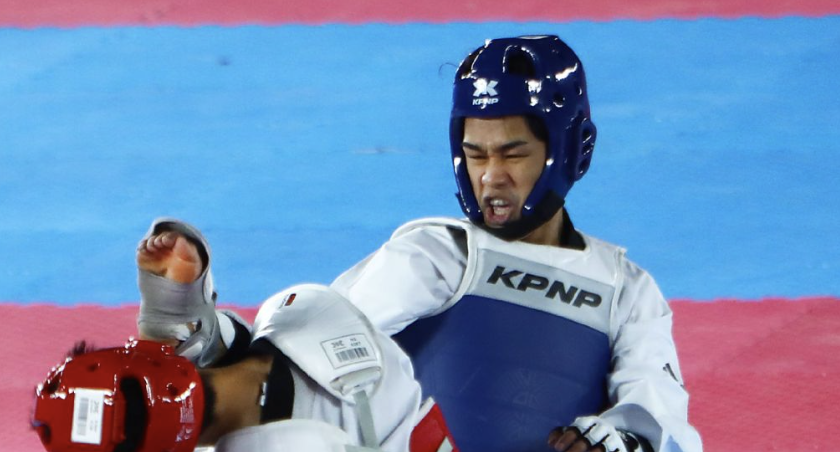
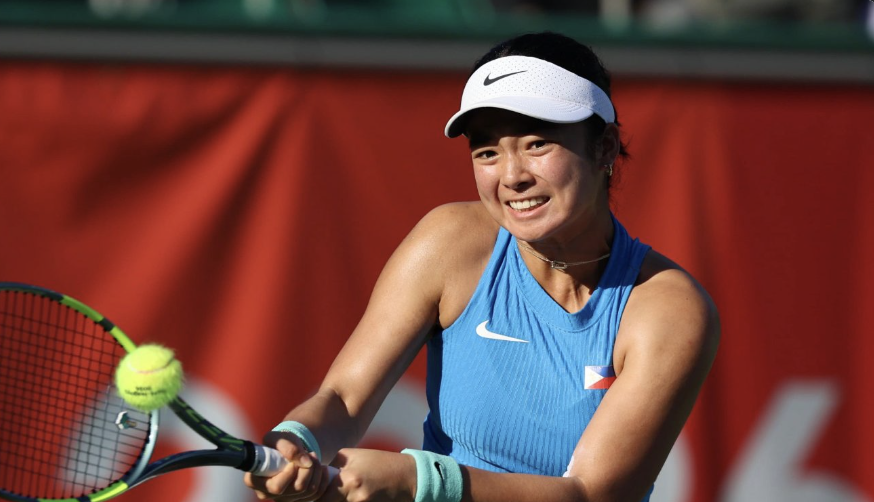
The men’s football team’s qualification further strengthens what is expected to become one of the Philippines’ largest Asian Games delegations in recent years. Officials from the Philippine Olympic Committee continue finalizing preparations as additional national sports associations complete their respective qualification campaigns.
Current projections indicate the Philippines could send approximately 443 athletes to Aichi and Nagoya across multiple sporting disciplines. Once coaches, medical personnel, and team officials are included, the entire delegation could approach 700 members before the opening ceremony.
National Contingent Nears Final Composition
Several sports continue completing qualification requirements before the Philippine Olympic Committee confirms the final delegation. Gymnastics also remains in contention to add more athletes before the official roster submission deadline.
Asian Games Format Rewards Emerging Talent
The men’s football tournament will feature 16 participating nations competing under the Asian Games’ under-23 format with limited overage selections. Every team may register between 18 and 22 players while including a maximum of three overage footballers within the final roster.
That competition structure encourages federations to accelerate youth development while still benefiting from experienced leaders in key positions. Coaches must carefully balance long-term player growth with immediate tournament success when assembling their squads.
Overage Selections Shape Team Strategy
Choosing three senior players often becomes one of the most important tactical decisions before the tournament begins. Experienced footballers can stabilize younger squads while providing leadership during high-pressure matches against Asia’s strongest national programs.
Qualification Supports Long-Term Football Development
The Philippines is expected to compete in 38 of the 47 sports featured during the Aichi-Nagoya Asian Games despite participation limits across several disciplines. Football remains one of the region’s most competitive events, making every qualification opportunity valuable for the national program.
Participating against stronger continental opponents provides younger players with experiences that cannot easily be replicated through domestic leagues or friendly matches. Those international opportunities also strengthen the country’s long-term player pipeline ahead of future AFC Asian Cup and FIFA World Cup qualification campaigns.
Continental Competition Accelerates Growth
International tournaments expose developing players to different tactical systems, faster decision-making, and higher levels of technical execution. Consistent exposure to those environments helps national teams prepare for increasingly demanding competitions throughout the Asian football calendar.
Philippine Football Builds Toward a Bigger Future
Qualifying for the Asian Games provides benefits that extend beyond one tournament because every international competition contributes to the national program’s long-term development. Continued participation against elite Asian opponents helps strengthen player confidence while exposing coaches to different tactical approaches and match situations.
The late qualification also reflects how important it is for football programs to remain prepared whenever opportunities arise on the international stage. Making the most of this unexpected opportunity could provide valuable momentum as the Philippine men’s national football team continues building toward future continental competitions.
Opportunity Creates Valuable Experience
Every Asian Games appearance allows younger footballers to compete under tournament pressure against some of the continent’s strongest programs. Those experiences often become important building blocks as players continue progressing toward senior AFC and FIFA competitions.
Analytical Breakdown: A Valuable Stage for Growth
The Asian Games provide a different challenge from senior international tournaments because the under-23 format places greater responsibility on emerging players. After years of playing football and following youth international competitions, I have seen how these events accelerate development by exposing younger squads to opponents with different tactical approaches and playing styles. Those experiences often become important preparation for future AFC Asian Cup and FIFA World Cup qualification campaigns.
The three-overage-player rule also adds another tactical dimension for participating nations. Coaches must decide whether experience is needed in defense, midfield, or attack while ensuring younger players still carry the team’s long-term development. For the Philippines, competing in this environment offers valuable opportunities that cannot be fully replicated through friendly matches or domestic competitions.
Frequently Asked Questions
Why did the Philippines qualify for the 2026 Asian Games men’s football tournament?
The Philippines qualified after India withdrew its men’s national football team from the Aichi-Nagoya Asian Games.
Why did India withdraw from the football tournament?
Reports indicated that India’s government selection policy requires participating national teams to rank among the world’s top eight.
When will the 2026 Aichi-Nagoya Asian Games take place?
The Asian Games will be held from September 19 to October 4, 2026.
What is the Asian Games men’s football tournament format?
The tournament features under-23 national teams, with each country permitted to include up to three overage players.
How many athletes is the Philippines expected to send to the Asian Games?
The Philippine Olympic Committee expects approximately 443 athletes, with the entire delegation potentially approaching 700 members.
Disclaimer: Headline Image from Dugout Philippines.