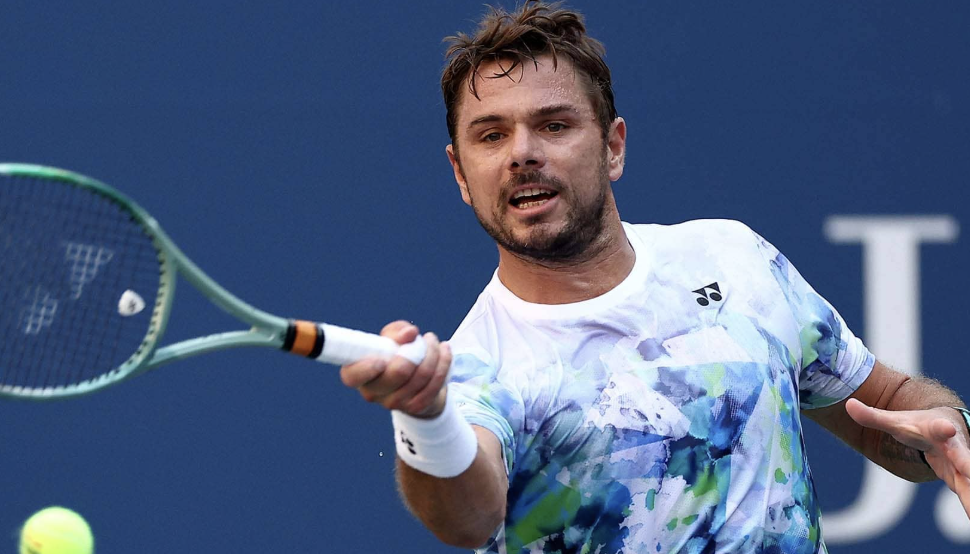
Three-Time Champion Returns to New York for Farewell Run
Stan Wawrinka will receive one final US Open appearance after a late wild-card opening revived his farewell trip to New York. The unexpected invitation gives the three-time Grand Slam champion another opportunity to compete where he captured his memorable 2016 title.
Wawrinka Gets Unexpected US Open Wild Card Lifeline
Associated Press coverage detailed how Patrick Kypson’s injury withdrawal reopened the main-draw position eventually awarded to Wawrinka. The Swiss veteran initially missed the available invitations and declined qualifying, leaving no apparent pathway into his final New York appearance.
Kypson originally received the remaining wild card before his withdrawal created another opening only days before tournament competition began. Organizers subsequently awarded Wawrinka the available place, transforming an apparent farewell into another opportunity at his most successful American tournament.
“I’m incredibly excited to accept the wild card for the 2026 U.S. Open and look forward to competing in front of the fans in New York once again.”
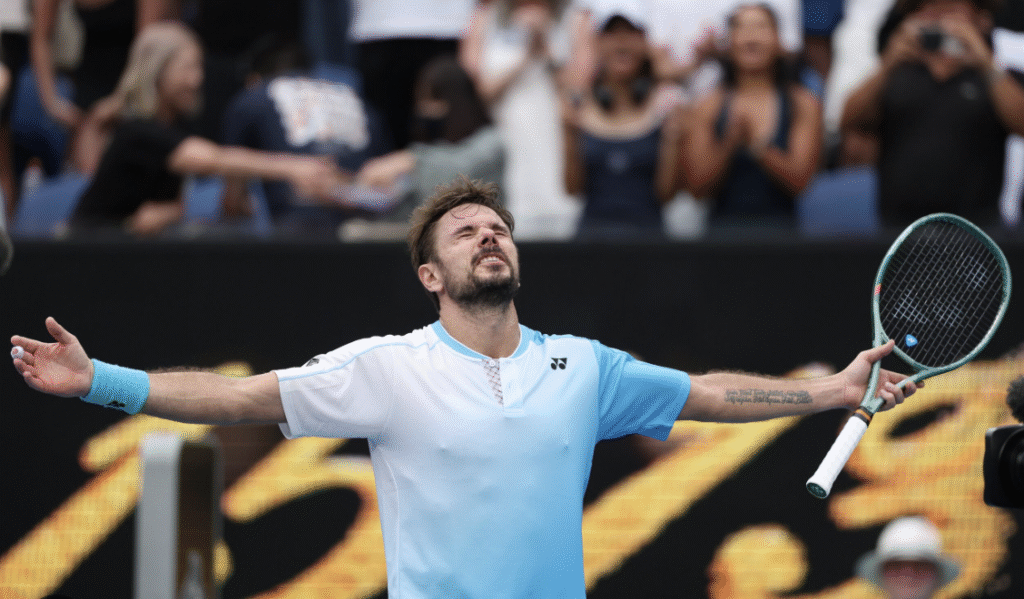
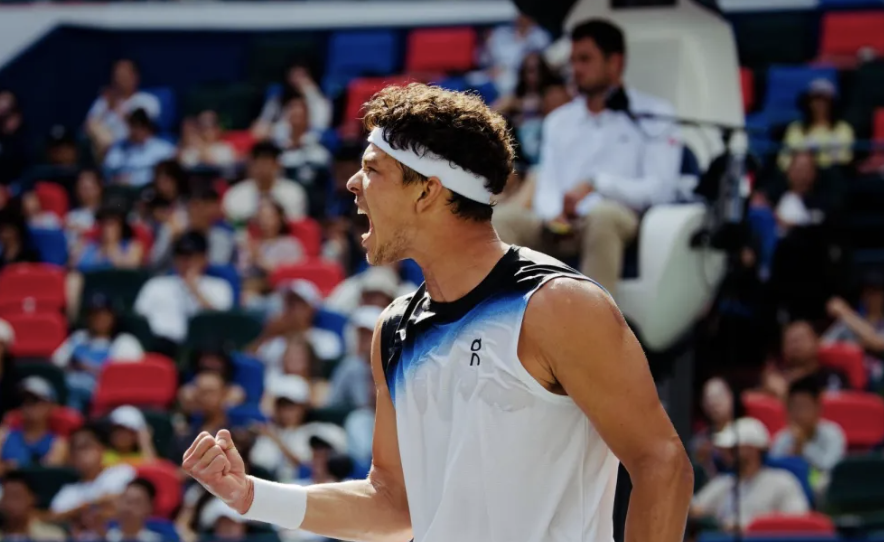
Image from: Fullview
Patrick Kypson Withdrawal Reopens Main-Draw Place
Wawrinka’s championship history gives the late invitation significance beyond the ranking position that initially prevented his direct main-draw entry. Former champions can provide considerable competitive interest when unexpected withdrawals create openings shortly before major tournaments begin.
Farewell Message Takes Different Meaning After Wild Card
Before receiving the invitation, Wawrinka thanked New York and US Open supporters through an emotional social-media message reflecting his tournament memories. The timing suggested his competitive relationship with Flushing Meadows had ended before circumstances unexpectedly reopened the main-draw opportunity.
“Thank you, New York Thank you, (at) US Open.”
Wawrinka focused his farewell on supporters who shared the victories, defeats, and emotions accumulated throughout his appearances in New York. Receiving the wild card days later changed the message’s context, giving those same supporters another opportunity to watch him compete.
“Thank you to every single fan who supported me, pushed me, believed in me and shared all these emotions with me over the years.”
“Forever grateful. Forever New York.”
Wawrinka’s New York Goodbye Lasts Only Days
The rapid reversal gives Wawrinka’s return an unusual emotional dimension because his farewell appeared complete before Kypson’s injury withdrawal. Instead of closing his US Open story through social media, Wawrinka receives another chance to determine its ending on court.
2016 US Open Title Defines Wawrinka’s New York Legacy
Wawrinka produced his defining New York performance in 2016, defeating Novak Djokovic to capture his third Grand Slam singles championship. The victory completed a remarkable sequence of three different major titles earned during one of men’s tennis’ strongest competitive eras.
He previously defeated Rafael Nadal for the 2014 Australian Open title before overcoming Djokovic during the 2015 Roland Garros final. Those victories established Wawrinka’s reputation for producing exceptional performances against historically accomplished opponents during the sport’s most demanding tournaments.
Three Major Titles Built Reputation for Grand Slam Upsets
Wawrinka reached World No. 3 while competing alongside Roger Federer, Nadal, Djokovic, and Andy Murray during their dominant period. He never matched their sustained tour control, but his peak Grand Slam level repeatedly challenged the era’s leading championship contenders.
Recommended Article: Alex Eala, Auger-Aliassime Exit US Open Mixed Doubles
Injuries Reshaped Wawrinka’s Late-Career Journey
Wawrinka missed his 2017 US Open title defense after undergoing two knee surgeries that interrupted his momentum following the championship. Additional foot surgeries during 2021 created further obstacles as the Swiss veteran attempted to remain competitive deep into his thirties.
His ranking eventually slipped beyond automatic Grand Slam entry, but Wawrinka continued competing professionally after many contemporaries ended their careers. Returning to New York at 41 therefore adds another chapter to a career increasingly defined by longevity alongside major championship success.
Longevity Adds Meaning to Final New York Appearance
Best-of-five tennis presents demanding physical challenges for older players facing younger opponents capable of maintaining sustained intensity across several hours. Wawrinka’s continued presence nevertheless reflects the durability required to compete professionally after significant knee and foot injuries throughout his career.
Final US Open Run Carries Competitive and Emotional Weight
Wawrinka’s relationship with New York developed gradually after he initially found the city’s scale and atmosphere overwhelming compared with Switzerland. Repeated appearances transformed that unfamiliar environment into one of his favorite destinations and eventually produced his greatest American tennis achievement.
“When I first arrived in New York from a small farming village in Switzerland, everything felt too big.”
“The city. The noise. The energy. The crowds. The lights.”
“But year after year New York slowly became one of my favorite places in the world.”
The 2016 champion later described Flushing Meadows as a venue capable of drawing powerful emotions and another competitive level from him. Those memories give his final appearance meaning beyond results, although another deep run would represent a considerable challenge at 41.
“This city challenged me. It pushed me. It brought something out of me that few places ever could.”
“I experienced some of the strongest emotions of my career here.”
“Winning the US Open, in the city that never sleeps, will forever be one of the greatest moments of my life.”
New York Connection Extends Beyond Championship Trophy
Wawrinka’s championship history guarantees recognition, but his remaining weapons can still create difficult assignments for higher-ranked opponents during early rounds. His powerful one-handed backhand and aggressive baseline patterns remain dangerous when he controls exchanges without becoming trapped in extended physical rallies.
Analytical Breakdown: The Legacy Lives On
Stan Wawrinka’s late US Open wild card reflects more than his championship résumé because tournament organizers also recognize the historical significance of former champions. Players with proven success at Grand Slam level often bring competitive credibility, fan interest, and valuable experience that extend beyond current rankings.
At 41, Wawrinka faces a demanding challenge against younger opponents capable of sustaining high physical intensity over five sets. However, his powerful one-handed backhand, aggressive baseline style, and ability to elevate his level on major stages still make him a dangerous opponent capable of testing higher-ranked players.
Frequently Asked Questions
Did Stan Wawrinka receive a 2026 US Open wild card?
Yes, Wawrinka received a late main-draw wild card after American Patrick Kypson withdrew from the tournament because of injury.
Why did Stan Wawrinka initially miss out on a US Open wild card?
The USTA originally awarded its remaining invitation to Kypson before his injury withdrawal created another main-draw opening.
Has Stan Wawrinka won the US Open?
Yes, Wawrinka defeated Novak Djokovic in the 2016 final to capture his only US Open singles championship.
How many Grand Slam titles has Stan Wawrinka won?
Wawrinka has won three Grand Slam singles titles at the Australian Open, Roland Garros, and US Open.
What is Stan Wawrinka’s highest ATP ranking?
Wawrinka reached a career-high World No. 3 during a career highlighted by three Grand Slam singles championships.
Disclaimer: Headline Image from ATP Tour.