Philippine Volleyball Secures Asian Games Spot
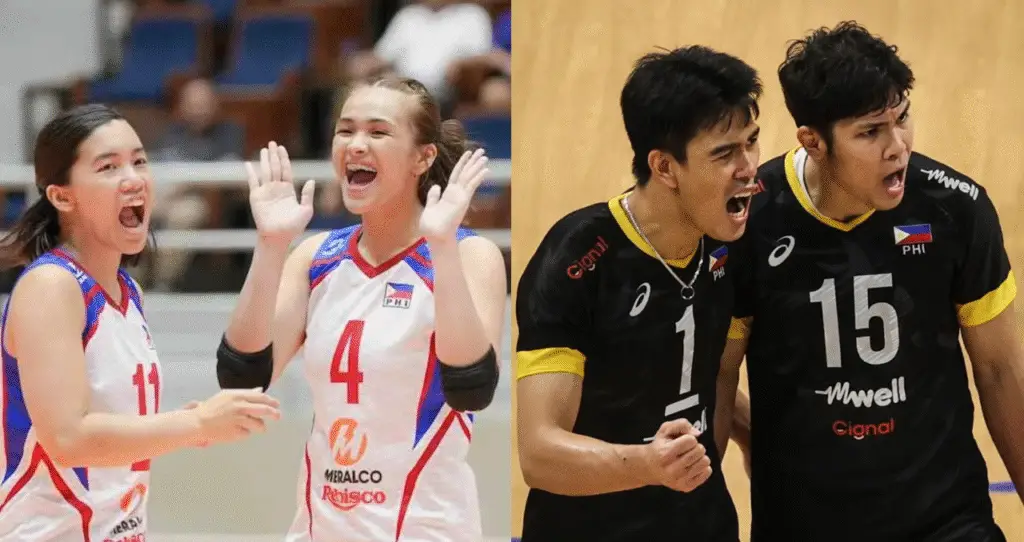
Philippine volleyball will still be represented at the 20th Asian Games despite ongoing governance issues affecting the national federation. The decision protects qualified athletes from losing an opportunity earned through international performances and continental rankings.
While administrative concerns remain unresolved, preparations for the country’s indoor and beach volleyball teams will continue. The outcome provides stability for players whose focus now shifts toward competing against Asia’s strongest volleyball programs.
Image from: The Korea Herald
Daily Tribune Reports POC will Oversee National Teams
An initial report by Mark Escarlote of the Daily Tribune revealed that the Philippine Olympic Committee will temporarily oversee the country’s qualified volleyball teams. The arrangement follows the Philippine Olympic Committee’s unanimous decision to suspend the Philippine National Volleyball Federation during its General Assembly.
The intervention ensures qualified teams remain eligible for the Asian Games despite continuing governance concerns surrounding the federation. It also prevents athletes from losing international opportunities because of administrative disputes beyond their control.
Athlete Qualification Remains Protected
Qualification for the Asian Games is earned through continental rankings rather than automatic participation for every national federation. Preserving those earned places allows athletes to compete after years of preparation and consistent international performances.
The decision also reinforces the principle that athletes should not bear the consequences of organizational disputes. Similar approaches have occasionally been adopted internationally to protect competitors during governance transitions.
POC Prioritizes Philippine Representation
POC president Abraham “Bambol” Tolentino emphasized that preserving the country’s earned qualification remains the organization’s immediate priority. He stressed that the Philippines should not surrender opportunities that other nations failed to secure.
“We just want the participation of the national team in the Asian Games so that the country has a representative. They qualified. We don’t want to waste the slot.”
Tolentino further explained that qualification carries greater significance because it reflects competitive merit rather than automatic inclusion. Maintaining Philippine representation also supports the country’s long-term international volleyball development.
Qualification Carries Long-Term Value
Asian Games participation exposes athletes to higher-ranked opponents and different tactical systems across multiple volleyball regions. Experiences gained during these tournaments often influence future national team performances and player development.
International appearances also contribute to program visibility while strengthening relationships with continental volleyball organizations. Consistent participation helps establish credibility for developing national programs.
Indoor and Beach Volleyball Teams Stay on Course
The decision benefits every Philippine volleyball team that successfully qualified for the continental competition through official ranking pathways. Both indoor and beach volleyball programs can now continue preparing without immediate uncertainty regarding participation.
The Alas Pilipinas men’s indoor team returns after placing thirteenth during the Hangzhou Asian Games. Confidence has continued growing following the squad’s bronze-medal finish at the 2025 Southeast Asian Games and steady improvement in the FIVB World Rankings.
Beach Volleyball Momentum Continues
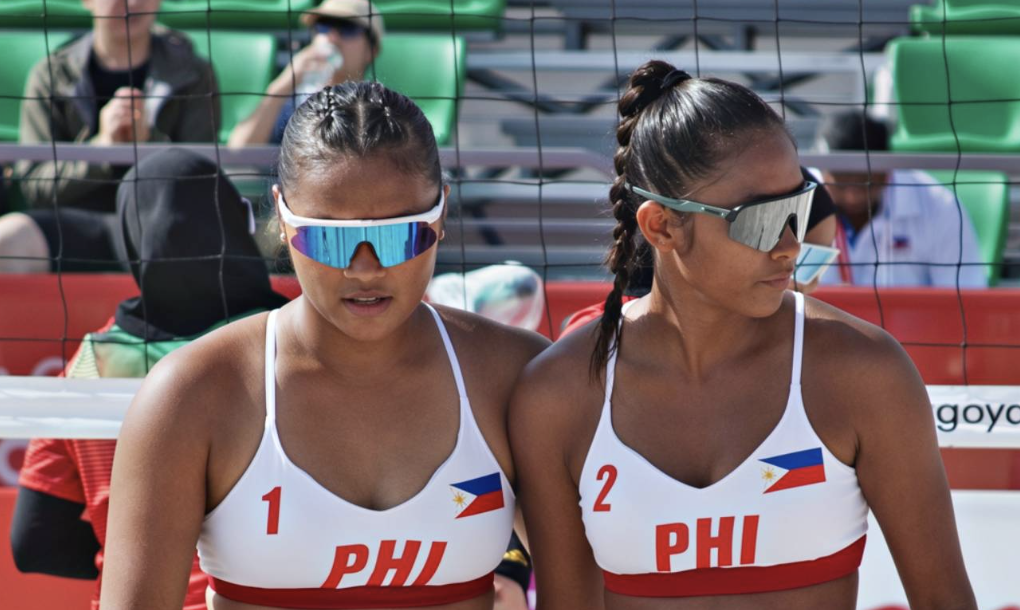
Women’s beach volleyball stars Sisi Rondina and Bernadeth Pons are expected to make their Asian Games debut together. Their recent SEA Games gold medal and AVC Beach Tour silver demonstrated consistent progress against strong international competition.
The men’s beach volleyball team also secured qualification after previously reaching the Round of 16 in Hangzhou. Returning to the Asian Games provides another opportunity to improve against Asia’s leading beach volleyball nations.
Women’s Indoor Team Faces Important Rebuilding Period
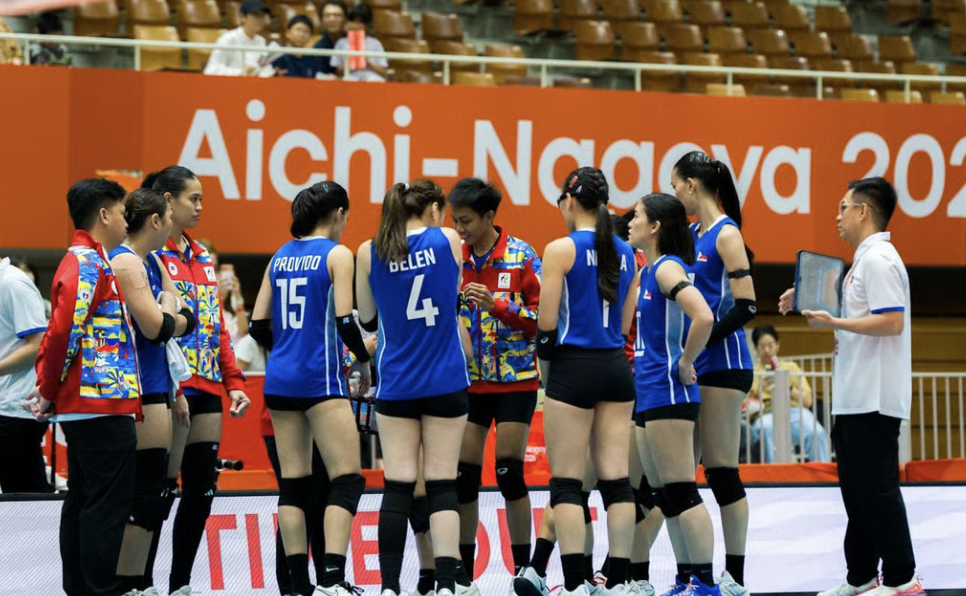
The women’s indoor national team enters the Asian Games cycle following significant roster changes before the AVC Women’s Nations Cup. Several experienced members from the previous two-year core withdrew, requiring coaches to assemble a largely rebuilt lineup.
Led by Alyssa Valdez, the Philippines finished eighth in Candon after consecutive podium finishes during the previous two editions. Although the result ended a successful streak, the tournament also provided valuable experience for several newer national team players.
Chemistry Becomes a Major Priority
Unlike professional club teams, national squads often have limited preparation time before major international tournaments begin. Rebuilding communication, defensive coordination, and offensive timing becomes especially important during condensed training periods.
The Philippine Olympic Committee plans to coordinate with PVL clubs while assembling the strongest available national roster. Earlier preparation could help restore experience while improving overall team chemistry before September.
Recommended Article: Bella Belen, Eya Laure Call for Volleyball Unity
Asian Games Test Elite Volleyball Talent
The Asian Games remain one of Asia’s most demanding volleyball competitions because qualification depends on continental performance and rankings. Every appearance provides athletes with valuable opportunities to measure themselves against established volleyball powers.
Facing elite opponents accelerates player development by exposing teams to faster systems, stronger serving, and higher tactical discipline. These experiences frequently shape future improvements throughout national volleyball programs.
International Exposure Supports Long-Term Growth
Recent progress in world rankings and regional competitions reflects years of gradual improvement across Philippine volleyball. Maintaining international participation helps preserve that momentum despite ongoing administrative challenges.
Continued exposure also benefits younger athletes who gain experience competing against some of Asia’s strongest volleyball nations. Sustained participation remains essential for building competitive national programs over multiple Olympic cycles.
Analytical Breakdown: Opportunity Remains for Philippine Volleyball
The decision to preserve the Philippines’ Asian Games qualification ensures that years of athlete preparation will continue to have meaningful opportunities on the international stage. Major multi-sport events play an important role in volleyball development because they expose players to different tactical systems, competitive environments, and higher-ranked opponents. Maintaining that continuity is valuable for both indoor and beach volleyball programs.
The months leading to the Asian Games will also be important for rebuilding team chemistry, particularly for the women’s indoor squad. International tournaments reward teams with clear roles, consistent preparation, and strong on-court communication. If those areas continue to improve, the Asian Games can serve as another significant step in the long-term development of Philippine volleyball.
Frequently Asked Questions
Will Alas Pilipinas still compete in the 2026 Asian Games?
Yes. All qualified indoor and beach volleyball teams will still participate.
Why was the PNVF suspended?
The suspension followed governance issues and previous sanctions involving volleyball authorities.
Who will oversee the national teams?
The Philippine Olympic Committee will supervise preparations and participation.
Will Alyssa Valdez be part of the team?
The final women’s indoor roster has not yet been announced.
When are the 2026 Asian Games?
The Games will run from September 19 to October 4, 2026, in Aichi-Nagoya, Japan.
Disclaimer: Headline Image from Rappler.