US Open Quarterfinal Spot Highlights Rybakina’s Grand Slam Push
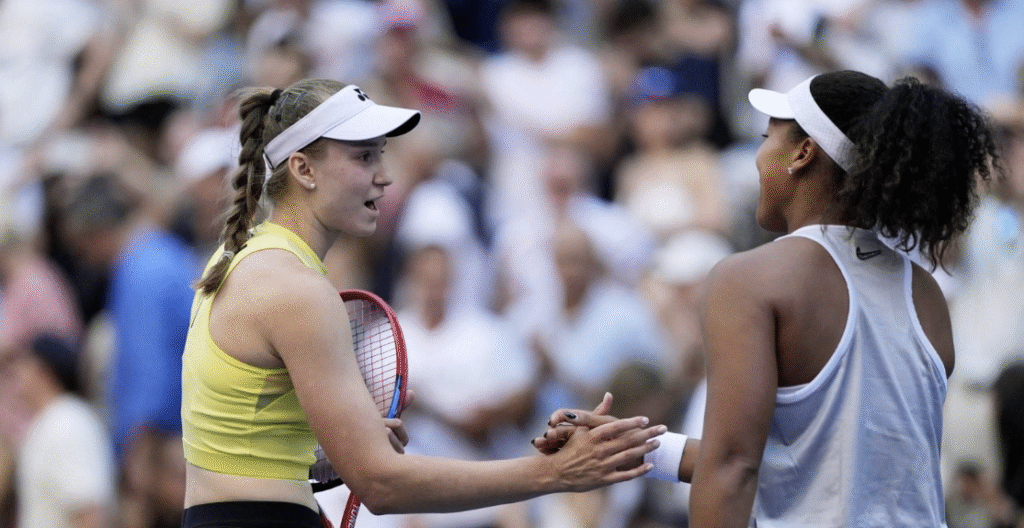
Elena Rybakina powered past Naomi Osaka, 6-1, 6-4, to reach her first US Open quarterfinal at Flushing Meadows. The second seed needed only 66 minutes to eliminate the two-time New York champion and continue pursuing another major title.
Rybakina Takes Immediate Control Against Osaka
Reuters detailed how Rybakina overwhelmed Osaka with commanding serving and deep groundstrokes during their fourth-round meeting at Louis Armstrong Stadium. The Kazakh converted two of three break opportunities while racing through an almost flawless opening set in only 22 minutes.
Rybakina admitted even she had not anticipated such a commanding beginning against an opponent carrying two previous US Open championships. That early separation allowed her to dictate rallies while preventing Osaka from consistently establishing her preferred aggressive baseline rhythm.
“I didn’t expect that. I thought I played really well, I was feeling the ball well,” Rybakina said.
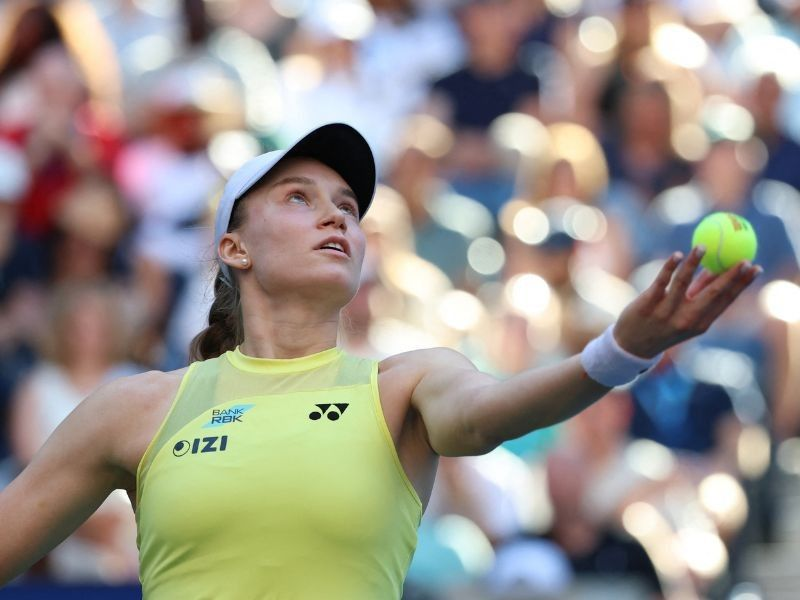
Image from: Philstar.com
Opening Set Establishes Rybakina’s First-Strike Advantage
Rybakina’s serving and groundstroke depth repeatedly placed Osaka under immediate pressure during the match’s opening exchanges. Winning the first set quickly also gave Rybakina scoreboard control before Osaka could establish sustained pressure on return.
Rybakina Keeps Osaka From Building Momentum
Osaka offered greater resistance during the second set, but Rybakina refused to treat her advantage as secure. The former Wimbledon champion remained wary of Osaka’s ability to change momentum quickly through aggressive returns and first-strike tennis.
Osaka stayed level early before Rybakina earned the decisive break during the seventh game following a netted forehand. Rybakina protected that advantage efficiently, closing the match without allowing Osaka another realistic opportunity to force a deciding set.
“Naomi’s a tough opponent. I knew that, no matter the score, I needed to focus on each ball as everything can change quickly,” Rybakina said.
“She’s a very aggressive player, so I’m so glad about the way I played today.”
Seventh-Game Break Decides Straight-Sets Victory
Rybakina remained patient as Osaka improved during the second set, waiting until the seventh game to create separation. Protecting that single break demonstrated the serving control required to prevent Osaka from generating another meaningful momentum swing.
First US Open Quarterfinal Adds Career Milestone
The victory carried additional significance because Rybakina had never previously reached the US Open quarterfinals despite succeeding elsewhere at majors. Her New York breakthrough therefore adds another meaningful benchmark to a career already featuring championship success on the Grand Slam stage.
Reaching the last eight also strengthens a season that has placed Rybakina among the leading contenders at major tournaments. More importantly, she reached the quarterfinal without dropping a set against Osaka, limiting the physical demands of another difficult assignment.
New York Breakthrough Expands Rybakina’s Major Résumé
- US Open milestone: Rybakina reached the women’s singles quarterfinals at Flushing Meadows for the first time.
- Straight-sets progress: She eliminated Osaka in 66 minutes, avoiding the additional demands created by a deciding set.
- Championship experience: Previous success at Grand Slam level gives Rybakina experience managing increasingly important matches during major tournaments.
- Next objective: Another victory would send Rybakina into her first US Open semifinal and continue her championship pursuit.
World No. 1 Ranking Moves Within Rybakina’s Reach
Rybakina enters the quarterfinal with an opportunity to move closer toward achieving the world No. 1 ranking for the first time. She acknowledged the significance of that goal while emphasizing the importance of maintaining her established competitive approach during the next match.
Her serve remains central to that formula because its pace and placement frequently provide immediate control of opening exchanges. Pairing efficient service games with deep groundstrokes allows Rybakina to transfer pressure toward opponents without unnecessarily forcing low-percentage attacking opportunities.
“Of course I want it. I don’t know anyone who wouldn’t wish for it. It’s definitely one of my goals,” Rybakina said.
“I’ll try to approach (the match) the same way and try to do everything I can. Fight till the end in my next match. Let’s see what’s going to happen.”
“If I serve as well as I did today, I think I have all the chances. I’ll try my best. Hopefully it’s going to go my way.”
Serve Remains Central to Rybakina’s Ranking Push
- First serve: Consistent placement can generate short points while limiting opportunities for opponents to attack Rybakina’s service games.
- Groundstroke depth: Deep returns and baseline shots can prevent opponents from establishing aggressive court position during neutral rallies.
- First-strike tennis: Strong serving can create favorable opportunities for Rybakina to control exchanges with her next groundstroke.
- Scoreboard pressure: Efficient holds allow Rybakina to concentrate greater attention on creating opportunities during opposing service games.
Recommended Article: Alex Eala Chooses Asian Games Over WTA China Open
Zheng Qinwen Presents Different Quarterfinal Challenge
Olympic champion Zheng Qinwen now stands between Rybakina and her first US Open semifinal appearance at Flushing Meadows. Rybakina recognizes Zheng’s growing confidence and understands that previous meetings provide useful familiarity without guaranteeing another favorable result.
Zheng’s ability to remain dangerous during difficult match situations makes sustained pressure particularly important throughout their quarterfinal. Rybakina must continue controlling first-strike exchanges while avoiding lapses that could give her opponent opportunities to establish momentum.
“I haven’t yet watched all her matches,” Rybakina said.
“She definitely has found form and I feel she’s playing now with a lot of confidence after so many wins in a row. She’s very dangerous.”
“We’ve played before, so I know it’s going to be a difficult match … she’s been playing really well, especially coming back in these difficult matches.”
Zheng’s Confidence Demands Sustained Rybakina Pressure
Rybakina cannot rely solely on early separation against an opponent she believes has developed considerable confidence during the tournament. Maintaining serving efficiency and consistent rally depth should remain central to preventing Zheng from establishing sustained attacking momentum.
Analytical Breakdown: One Match Closer to No. 1
Elena Rybakina’s victory highlighted how effectively her serve continues to shape matches against elite opponents. Consistently winning free points and controlling the opening exchanges prevented Naomi Osaka from establishing the aggressive baseline rhythm that has defined her greatest successes.
The upcoming quarterfinal against Zheng Qinwen presents a different tactical challenge because Zheng has repeatedly recovered from difficult positions throughout the tournament. Maintaining first-serve efficiency, controlling rally depth, and avoiding momentum swings will likely determine whether Rybakina reaches her first US Open semifinal and secures the World No. 1 ranking.
Frequently Asked Questions
What was the Elena Rybakina versus Naomi Osaka score?
Rybakina defeated Osaka, 6-1, 6-4, in 66 minutes to reach her first US Open quarterfinal.
Has Elena Rybakina reached the US Open quarterfinals before?
No, the 2026 tournament marks Rybakina’s first appearance in the women’s singles quarterfinals at Flushing Meadows.
How did Elena Rybakina control the match against Osaka?
Rybakina used commanding serving and deep groundstrokes to control first-strike exchanges while preventing Osaka from establishing sustained attacking rhythm.
Can Elena Rybakina become world No. 1?
Rybakina entered the quarterfinal with an opportunity to continue her pursuit of reaching the world No. 1 ranking.
Who will Elena Rybakina play next?
Rybakina will face Olympic champion Zheng Qinwen for a place in her first US Open semifinal.
Disclaimer: Headline Image from The Japan Times.