Pickleball Expansion Continues Despite SRP Withdrawal
Cebu City’s plan to develop publicly funded pickleball courts remains firmly on track despite the withdrawal of its original proposal for the South Road Properties (SRP). Rather than abandoning the project, city officials have shifted their attention toward identifying another government-owned property free from legal and ownership concerns.
The decision reflects a practical approach to public sports development instead of a setback for Cebu’s growing pickleball community. With participation continuing to increase nationwide, establishing accessible public courts remains an important objective for local leaders promoting healthier and more active communities.

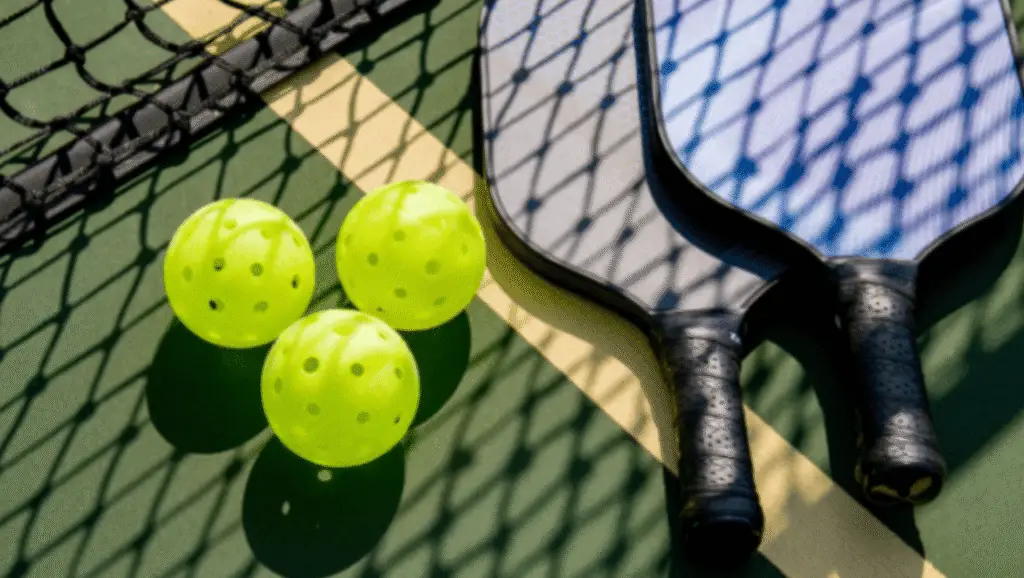
Image from: iStock
Cebu City Reviews Ownership Before Pickleball Courts
An initial report by Pia Piquero of CDN Digital explained that Cebu City Councilors Harry Eran and Nyza Archival withdrew their proposal after questions emerged regarding ownership of the proposed SRP location. The identified property may already fall under an existing joint venture agreement, preventing the city from immediately proceeding without additional approvals.
Rather than creating legal complications, city officials chose to suspend the proposal while verifying ownership and development rights surrounding the former Sinulog venue. That decision allows Cebu City to continue pursuing the project without jeopardizing future implementation through unnecessary legal disputes.
Ownership Questions Prompted a Practical Decision
Councilor Harry Eran emphasized that withdrawing the resolution was the most responsible course of action while ownership issues remained unresolved.
“We don’t want to put the city mayor in a difficult position.”
He also explained why immediate implementation could not legally proceed under the existing circumstances.
“We were informed that that portion of the property belongs to the joint venture agreement.”
“So we cannot just propose or implement anything there without the approval of the joint venture committee.”
Resolving those concerns first allows the city to protect the project while maintaining transparency throughout the planning process.
Cebu’s Public Pickleball Vision Remains Unchanged
Although the proposed SRP location has been set aside, the city’s long-term commitment to building public pickleball facilities remains unchanged. Councilor Eran confirmed that discussions will continue with Mayor Nestor Archival to identify another government-owned property suitable for community use.
Instead of treating the withdrawal as the end of the initiative, Cebu officials view it as an opportunity to relocate the project without unnecessary legal complications. Choosing an appropriate site now could help ensure smoother implementation once a new proposal reaches the city council.
Officials Continue Searching for a New Venue
When asked whether he intended to submit another proposal, Eran expressed confidence that the project would continue moving forward.
“Definitely.”
He followed that commitment by outlining the city’s immediate next step.
“I’ll talk to the mayor and look for a suitable space where we can put one for Cebu City.”
That statement reinforces the city’s intention to deliver public pickleball facilities despite the setback involving the original location.
Recommended Article: Cebu Eyes First Public Pickleball Courts at SRP
Community Courts Continue Driving Pickleball Growth
Public pickleball courts have become one of the most effective ways to introduce new players to the sport across many Philippine communities. Removing expensive membership requirements encourages broader participation while creating spaces where beginners, families, and experienced players regularly interact.
From my experience following pickleball’s rapid growth, accessible facilities often become the foundation of thriving local player communities. Once consistent open-play sessions begin, clubs, coaching clinics, friendly competitions, and grassroots tournaments usually develop naturally around those public venues.
Benefits of Public Pickleball Facilities
- Lower participation costs for beginners
- Family-friendly recreational opportunities
- Accessible courts for seniors and youth
- Stronger local pickleball communities
- Better opportunities for grassroots tournaments
- Increased public participation in active lifestyles
Existing Infrastructure Inspired the Original Proposal
Before the proposal was withdrawn, Councilor Eran believed the former Sinulog venue inside City di Mare offered a practical starting point for public pickleball courts. The site already featured paved and covered spaces, reducing construction requirements while minimizing the city’s overall development costs.
Repurposing existing infrastructure has become a common strategy among local governments seeking affordable ways to expand community sports facilities. Using available public spaces often shortens project timelines while allowing more resources to support equipment, programming, and long-term maintenance.
Cost-Efficient Development Guided the Initial Plan
Eran explained that his inspection of the property convinced him the location required only limited modifications before becoming playable.
“I’ve seen the property. It’s idle.”
He also pointed to the site’s existing condition as one of its biggest advantages.
“It is already paved and covered, which means the city would not need to spend much to adapt it.”
Although City di Mare is no longer being considered, future site evaluations will likely follow the same practical and cost-conscious approach.
Pickleball’s Accessibility Continues to Fuel Demand
One reason Cebu remains committed to public courts is the sport’s ability to welcome players regardless of age or athletic background. Unlike many recreational activities that require extensive facilities or specialized training, pickleball offers an approachable learning curve without sacrificing competitive depth.
As someone who actively plays pickleball, I have seen newcomers become regular participants after only a few open-play sessions. Public courts often remove financial and logistical barriers, allowing more families, seniors, and young athletes to experience the sport together.
Inclusive Design Strengthens Community Participation
Councilor Eran believes pickleball succeeds because it encourages different generations to enjoy the same court at the same time.
“This forms part of our commitment to sports and a healthy lifestyle for our constituents.”
He also highlighted the sport’s strongest characteristic.
“You can see mothers, fathers, and children playing together. That’s the beauty of the sport.”
Speaking from personal experience as a tennis player, Eran added:
“With pickleball, my wife, my children, and I can all play together.”
Those observations reflect why communities throughout the Philippines continue embracing pickleball as both a recreational activity and a practical wellness initiative.
Cebu’s Next Decision Could Shape Local Pickleball Development
The withdrawal of one proposal does not diminish Cebu City’s broader objective of expanding public access to pickleball facilities. Instead, it demonstrates the importance of balancing legal certainty with long-term community planning before committing public resources.
If city leaders identify another suitable government-owned location, Cebu could join the growing number of Philippine local government units investing in accessible pickleball infrastructure. Successful public courts often become more than sports venues because they encourage healthier lifestyles, strengthen local communities, and create welcoming spaces where players of every skill level can participate.
Future Priorities for the Project
- Identify a government-owned property with clear ownership
- Secure necessary approvals before implementation
- Maximize existing infrastructure where possible
- Promote affordable public access
- Support grassroots pickleball development
- Encourage family and community participation
Analytical Breakdown: Accessible Courts Drive Pickleball Growth
Finding a convenient place to play remains one of the biggest challenges I hear from new pickleball players. I’ve met plenty of people who wanted to keep playing but struggled to find affordable and accessible public courts nearby. Expanding public facilities removes one of the biggest barriers to growing local pickleball communities.
Cebu’s decision to resolve ownership concerns before moving forward reflects a practical approach to sports development. From my experience following community pickleball projects, well-planned facilities tend to serve players far longer than rushed initiatives. A properly located public court can become a gathering place where beginners, families, and experienced players continue building the local pickleball community together.
Frequently Asked Questions
Why was the SRP proposal withdrawn?
Ownership and joint venture concerns required additional approvals.
Will Cebu still build public pickleball courts?
Yes. Officials are searching for another government-owned site.
Why is pickleball growing so quickly?
Its accessibility, affordability, and family-friendly appeal attract players of all ages.
Why was City di Mare originally considered?
It already had paved and covered infrastructure suitable for conversion.
How would public courts benefit Cebu residents?
They would improve accessibility, recreation, and community participation.
Disclaimer: Headline Image from Sportmadness.