Gilas Pilipinas Suffers Heavy Loss, Cone Rejects Injury Excuse
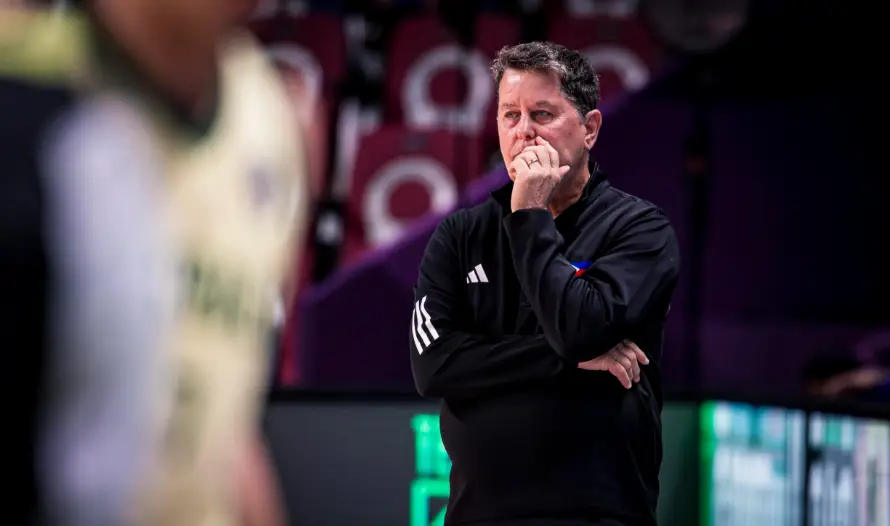
Tim Cone refused to use Justin Brownlee’s absence as an explanation for Gilas Pilipinas’ heavy defeat against Australia, insisting the Boomers simply outplayed the national team in every major area. Instead of focusing on injuries, the veteran coach credited Australia’s athleticism, defensive intensity, and overall quality throughout the FIBA Basketball World Cup Asian Qualifiers matchup.
The result marked Gilas Pilipinas’ toughest loss of the opening qualifying phase, but Cone viewed the experience as an honest reminder of the level required to compete consistently against one of the world’s top-ranked basketball nations. His postgame assessment emphasized accountability and long-term development rather than searching for convenient excuses.
Cone Refuses to Blame Brownlee’s Absence
Justin Brownlee missed the game because of a hamstring injury, leaving Gilas Pilipinas without its veteran leader and primary offensive creator. Justin Valencia of Tiebreaker Times reported that Cone dismissed suggestions Brownlee’s absence alone explained the 92-49 defeat, stressing that Australia’s overall superiority determined the outcome.
Cone acknowledged Brownlee’s importance to the national team but believed no single player could have erased such a significant margin against an opponent of Australia’s caliber. He also admitted Brownlee would not have been physically capable of performing at his usual level even if he had attempted to play.
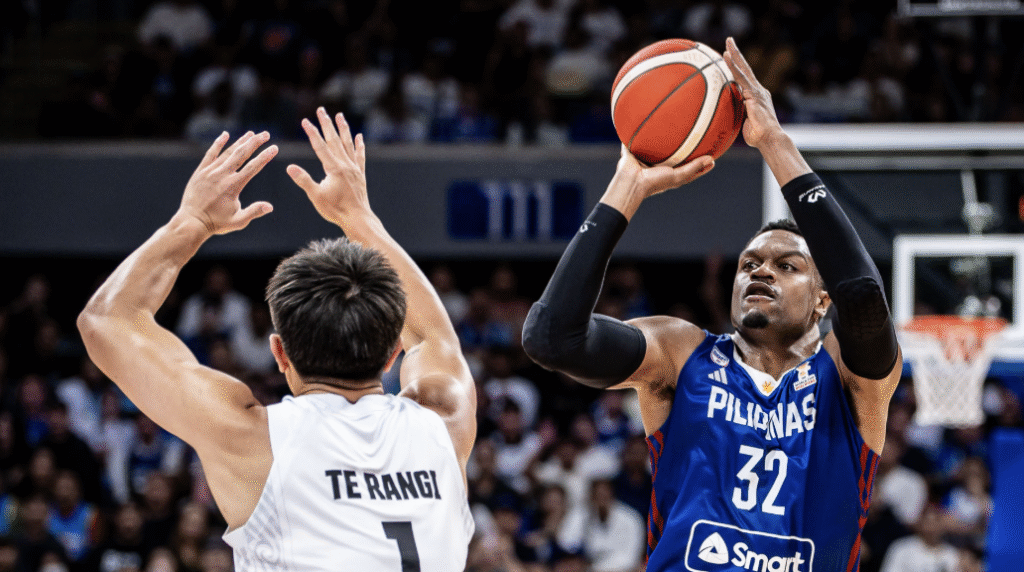
Image from: Tiebreaker Times
Cone Focused on the Bigger Picture
Cone summarized his perspective by saying Brownlee’s absence “wasn’t worth 40 points,” reminding observers that the defeat reflected Australia’s overall quality rather than one unavailable player. His comments reinforced the coaching staff’s commitment to evaluating the team’s performance honestly instead of relying on circumstances beyond its control.
Australia’s Defensive Pressure Set the Tone
Australia established control almost immediately by applying relentless full-court pressure that disrupted Gilas Pilipinas’ offensive rhythm from the opening possessions. The Boomers forced seven Philippine turnovers during the first quarter and quickly built a commanding lead through disciplined defense and efficient transition offense.
Cone admitted Gilas competed only in brief stretches before Australia’s depth and athleticism gradually overwhelmed the visitors. He also pointed to the Boomers’ status as one of the world’s highest-ranked national teams, explaining that their physical profile and defensive execution consistently separated them from most international opponents.
Boomers Forced Gilas Out of Rhythm
Australia combined aggressive on-ball defense with exceptional team rotations, making it difficult for Gilas to create clean scoring opportunities throughout the game. Cone praised the Boomers’ superior athleticism and credited their defensive pressure for creating many of the easy baskets that decided the contest.
Gilas Briefly Responded Before Halftime
Despite falling behind early, Gilas Pilipinas produced one of its strongest stretches during the second quarter by tightening its defense and slowing Australia’s offensive momentum. June Mar Fajardo provided an important spark with six points during the period as the Philippines limited the Boomers to only eight points before halftime.
The improved defensive effort reduced the deficit to 41-27 entering the break and briefly raised hopes of a second-half comeback. Australia quickly regained control after halftime, however, as its backcourt dictated the pace while Gilas struggled to execute consistently against constant defensive pressure.
Recommended Article: Gilas Pilipinas Falls to Australia in Perth Clash
Defensive Adjustments Showed Promise
The second-quarter response demonstrated that Gilas could compete when defensive communication, rebounding, and ball pressure improved collectively. Maintaining that level of execution for an entire game remains one of the team’s biggest challenges against elite international opponents.
Bryce Cotton Punished Every Defensive Mistake
Bryce Cotton once again demonstrated why he remains one of Australia’s most dangerous offensive weapons, consistently capitalizing on defensive breakdowns and transition opportunities. His combination of speed, shot creation, and quick decision-making repeatedly placed Gilas Pilipinas under pressure throughout the contest.
Cone acknowledged that Gilas struggled to execute its defensive game plan against the veteran guard, particularly on screen coverage and defensive switches. Australia’s ability to convert defensive stops into efficient offense also created additional scoring chances that allowed Cotton and the Boomers to extend their advantage.
Cotton’s Impact on the Game
- Game-high 21 points to lead Australia.
- Exploited defensive breakdowns and transition opportunities.
- Benefited from Australia’s aggressive defensive pressure that created easy offense.
- Forced Gilas to adjust its defensive coverages throughout the contest.
Dwight Ramos Earns Praise Despite Difficult Assignment
Although Gilas Pilipinas struggled collectively, Cone commended Dwight Ramos for accepting one of the game’s toughest defensive responsibilities against Australian guard Tyrese Proctor. Ramos battled throughout the matchup and helped limit Proctor to 5-of-15 shooting despite the Cavaliers guard finishing with 16 points.
Ramos also admitted Australia’s defensive pressure affected his own offensive rhythm while accepting responsibility for improving his overall performance. His willingness to embrace difficult assignments reflected the competitive mindset the coaching staff continues to demand from the national team’s core players.
Ramos Accepted the Challenge
Cone believed Ramos performed one of the toughest assignments on the floor by defending an elite international guard for much of the evening. Ramos later acknowledged that Australia’s defensive intensity exposed areas of his game that he must continue improving before future FIBA competitions.
Experience Provides Valuable Lessons for Gilas
Cone believes the loss ultimately offered an important learning opportunity for Gilas Pilipinas, particularly for the team’s younger guards facing elite international competition. Australia’s relentless pressure demanded quicker decisions, stronger ball handling, and greater composure than many players had previously experienced.
The veteran coach expects those lessons to become increasingly valuable as the national team advances through future qualifying windows against similarly talented opponents. Developing the ability to handle sustained defensive pressure remains one of the most important steps in Gilas Pilipinas’ long-term growth.
Key Lessons Moving Forward
- Faster decision-making against elite defensive pressure.
- Better execution on defensive switches and rotations.
- Greater composure from the backcourt under full-court pressure.
- Valuable experience against world-class international competition.
- Continued development ahead of future FIBA qualifying windows.
Analytical Breakdown: Lessons from Elite Competition
Australia’s performance illustrated that elite international basketball is built on sustained execution rather than athleticism alone over forty minutes. From my experience as a former varsity basketball player, disciplined defensive rotations, ball pressure, and quick decision-making consistently separate top-ranked national teams from opponents still developing their international identity.
I believe Tim Cone’s decision to avoid using Justin Brownlee’s absence as an excuse reflects the mindset needed for long-term program growth. Honest evaluations allow coaching staffs to identify technical and tactical shortcomings, giving younger players clearer priorities as they prepare for future FIBA competitions against world-class opposition.
Frequently Asked Questions
Why did Tim Cone refuse to blame Justin Brownlee?
Tim Cone said Justin Brownlee’s absence was important but “wasn’t worth 40 points,” emphasizing Australia’s overall superiority instead.
Why didn’t Justin Brownlee play against Australia?
Brownlee missed the game after suffering a hamstring injury before Gilas Pilipinas faced Australia.
What did Tim Cone say about Australia’s performance?
Cone credited Australia’s athleticism, defensive pressure, and overall quality, noting that the Boomers remain one of the world’s top-ranked basketball teams.
What lesson did Gilas Pilipinas take from the loss?
Cone believes the defeat highlighted the level of execution, physicality, and decision-making Gilas Pilipinas must consistently reach to compete against elite international opponents.
Disclaimer: Headline Image from Sports Inquirer – Inquirer.net.