The Philippines left Nagoya without reaching eight golds, yet returned with something unseen across six decades of Asian Games competition. Its 29 medals represented the country’s largest haul since 1966, revealing unprecedented depth beneath an unchanged four-gold ceiling.
Twenty-Nine Medals Rewrite Six Decades of History
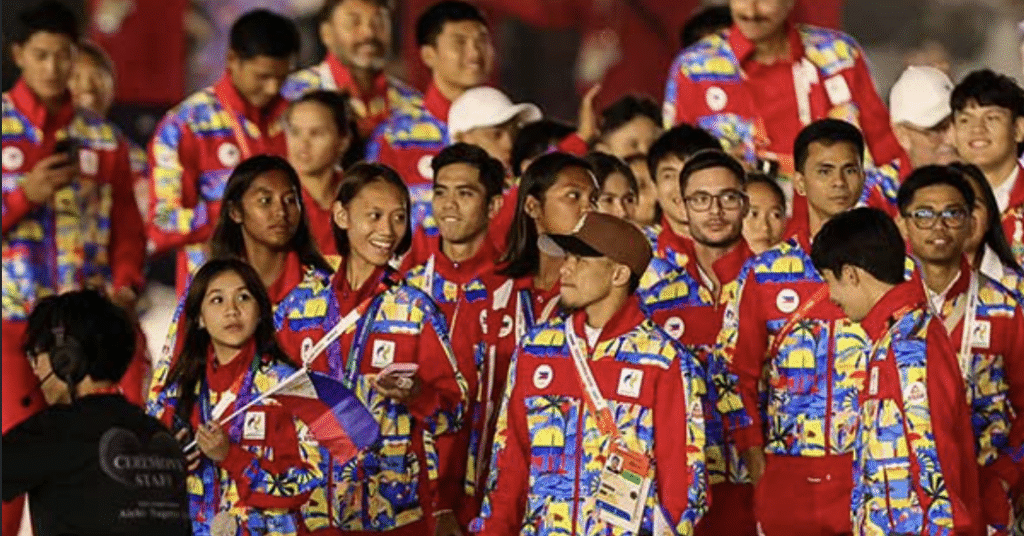
Rappler’s Delfin Dioquino chronicled the final Philippine tally at four golds, nine silvers, and 16 bronzes after competition concluded. Not since Bangkok in 1966, when Filipino athletes collected 42 medals, had the country accumulated more across one Asian Games.
The Philippines still finished 17th overall, matching its placement from the pandemic-delayed Hangzhou Games staged three years earlier. Yet the medal volume made Nagoya historically significant despite the delegation failing to reach its ambitious pre-Games championship projection.
Nagoya’s Medal Haul in Historical Context
- 2026 Nagoya: 29 medals — 4 gold, 9 silver, 16 bronze
- 2023 Hangzhou: Philippines also finished with four gold medals
- 2018 Jakarta-Palembang: Philippines also collected four gold medals
- 1966 Bangkok: 42 medals, the last Philippine haul larger than Nagoya
- 1962 Jakarta: Seven golds, the country’s last Asian Games haul exceeding four championships
Yulo Turns Olympic Greatness Into Asian Games History
Carlos Yulo supplied half the Philippine gold haul by ruling the men’s floor exercise and vault competitions in Nagoya. Those were the same apparatuses where Yulo captured his historic Olympic double during the Paris Games two years earlier.
His victories also made him the first Filipino gymnast to capture an Asian Games medal, filling another gap within his résumé. Yulo now owns titles spanning the Olympics, World Championships, Asian Championships, World Cup, Southeast Asian Games, and Asian Games.
Two Golds Complete Another Piece of Yulo’s Collection
Yulo arrived as an established global champion, but Nagoya offered continental honors he had never previously secured at the Asian Games. Winning twice transformed that missing accomplishment into another landmark while supplying the Philippines half its championships during the entire campaign.
Obiena and Yape Deliver Different Pieces of History
EJ Obiena successfully defended his men’s pole vault championship while clearing 5.91 meters for another Asian Games record. The victory made the Filipino star only the fourth athlete to successfully retain the continental men’s pole vault championship.
Jeus Gabriel Derick Yape created another first by capturing mixed individual virtual taekwondo gold during the event’s Asian Games debut. He also earned men’s individual poomsae bronze, making his two-medal campaign one of the delegation’s most distinctive Nagoya breakthroughs.
Four Golds Carry Four Different Historical Milestones
Yulo became Philippine gymnastics’ first Asian Games medalist, while Obiena joined an exclusive group of repeat pole vault champions. Yape simultaneously opened Philippine taekwondo’s Asian Games gold account through a discipline making its own historic continental debut.
Seven Finals Leave Fifth Gold Painfully Out of Reach
The Philippine Olympic Committee and Philippine Sports Commission originally targeted eight gold medals before the Nagoya campaign began. Reaching that number would have produced the country’s first five-plus-gold Asian Games performance since winning seven championships during 1962.
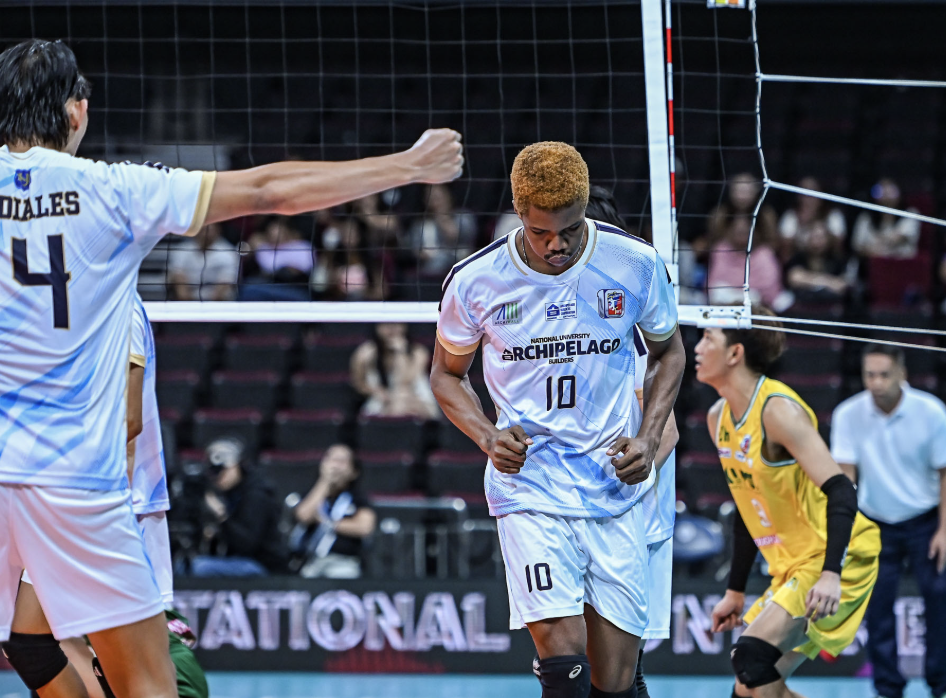
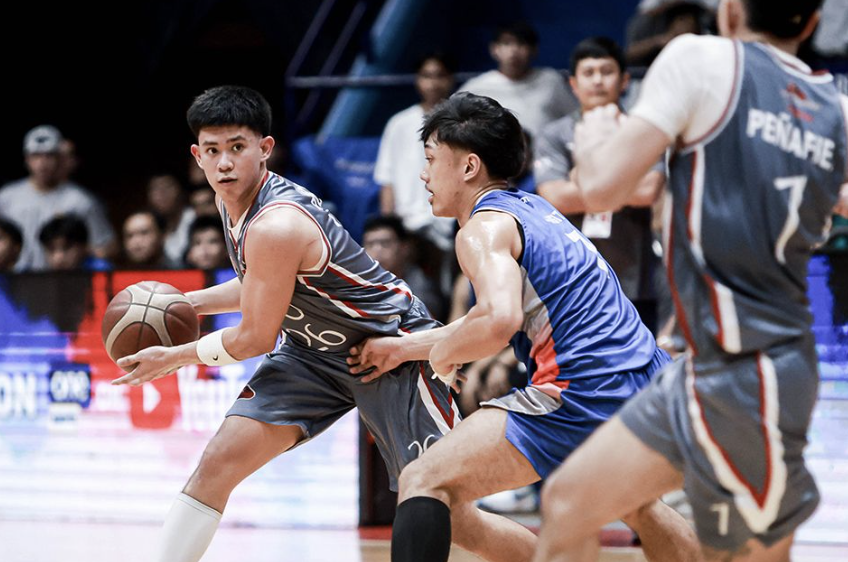
Instead, Filipino athletes absorbed championship losses across mixed martial arts, basketball, sepak takraw, archery, boxing, taekwondo, and jiu-jitsu. Those silvers demonstrated substantial medal depth while repeatedly leaving the Philippines one victory away from finally breaking its four-gold ceiling.
October 2 Becomes the Campaign’s Biggest What-If
Carlo Paalam, Tachiana Mangin, and Kurt Barbosa all entered championship bouts that Friday with the Philippines still chasing another gold. Alexandria Enriquez became the final opportunity Saturday before Thailand’s Orapa Senatham edged her by advantage in their jiu-jitsu championship match.
Sixteen Bronzes Reveal Depth Beyond Philippine Champions
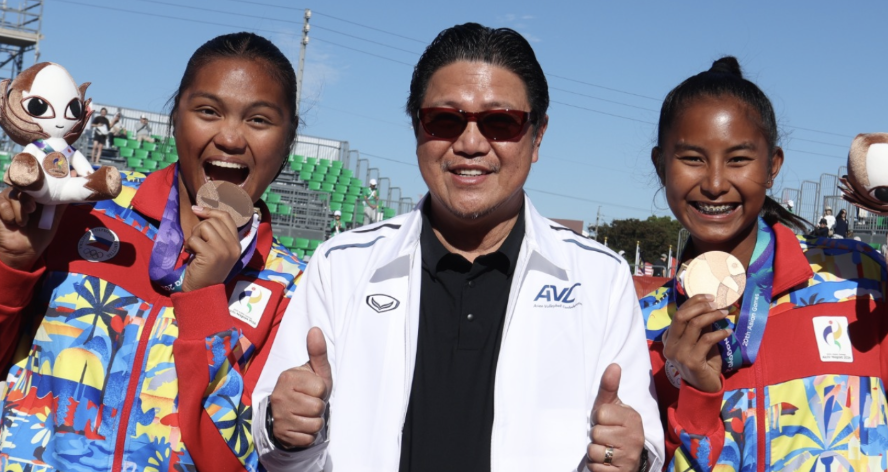
The Philippines collected 16 bronze medals, matching its highest total in that color since achieving the same number during 2002. Alex Eala, Eldrew Yulo, Albert Ian delos Santos, Victoria Bossong, and John Cabang Tolentino were among those contributors.
Those results broadened the story beyond four champions because medals arrived from athletes across numerous sports and competitive pathways. Thailand nevertheless remained Southeast Asia’s strongest delegation, followed regionally by Malaysia and Indonesia before the Philippines in the final standings.
Asian Games Southeast Asian Medal Comparison
- Thailand: 18 gold, 13 silver, 21 bronze
- Malaysia: 9 gold, 7 silver, 16 bronze
- Indonesia: 5 gold, 11 silver, 23 bronze
- Philippines: 4 gold, 9 silver, 16 bronze
Nagoya Leaves Philippine Sports With a Different Challenge
China remained Asia’s overwhelming sporting power with 169 gold medals, while Japan and South Korea completed the top three. Those totals illustrate the enormous structural distance separating emerging regional programs from nations possessing established systems across numerous disciplines.
For the Philippines, however, Nagoya supplied evidence that its competitive base has expanded even without increasing its championship total. The next challenge is converting more finalists and bronze medalists into champions without sacrificing the depth that produced this historic haul.
More Medals Must Eventually Become More Champions
Twenty-nine medals demonstrate wider Philippine competitiveness, while four golds show the country’s highest conversion level has remained stubbornly unchanged. Progress toward Los Angeles and future Asian Games campaigns depends on protecting that depth while developing more athletes capable of finishing first.
Analytical Breakdown
The 29-medal haul matters because Philippine success spread beyond several established champions and reached its deepest level in sixty years. Still, repeated final-round defeats show that reaching medal contention and converting those opportunities into championships remain distinctly different challenges. Nagoya becomes truly transformative if Philippine sports preserves this expanding depth while turning more silver and bronze contenders into future champions.