
Youth Football Promotes Fitness, Teamwork, and Growth
Football continues to be one of the most accessible and development-focused sports available to young athletes across the Philippines. Beyond competition, the sport provides children with opportunities to improve physical fitness, social skills, and personal discipline through regular participation.
As screen time increasingly competes with outdoor activity, many parents are searching for healthy alternatives that encourage movement and interaction. Football remains a popular option because it combines exercise, teamwork, and learning in a single environment.
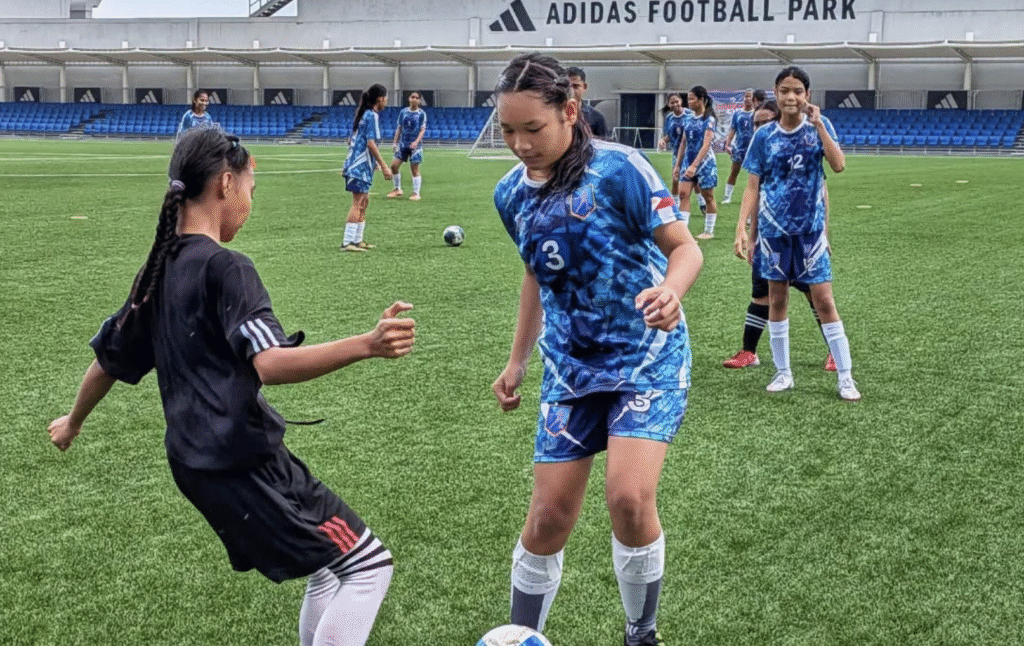
Image from: SM Mall of Asia Official/Facebook
Youth Football Boosts Activity and Cognitive Skills
Football requires players to remain engaged throughout matches, constantly reacting to changing situations while staying physically active. Unlike activities with frequent stoppages, the game encourages continuous movement and decision-making from beginning to end.
That combination helps children develop multiple skills simultaneously instead of focusing on only one area of growth. Physical conditioning improves alongside communication, concentration, confidence, and teamwork during both training sessions and matches.
PFF Continues Promoting Football as a Development Tool
According to an initial report by Deni Bernardo of Daily Tribune, the Philippine Football Federation continues emphasizing football’s long-term value for children beyond competitive success.
The federation views football as a platform for personal growth that can positively influence children both on and off the field. Developing healthy habits, building relationships, and learning responsibility remain important objectives within grassroots programs.
The Sport Helps Develop Essential Life Skills
Football regularly places children in situations where cooperation and communication become necessary for success. Players must work together, solve problems quickly, and adapt to constantly changing game situations throughout every session.
Those experiences often create valuable lessons that extend beyond sports participation. Skills developed through football frequently support academic performance, social interaction, and future professional environments.
Teamwork and Discipline Remain Core Lessons
Regular participation can help children develop:
- Teamwork and communication skills
- Time management habits
- Personal accountability
- Self-confidence
- Leadership qualities
- Problem-solving abilities
- Respect for rules and structure
The federation’s grassroots programs continue highlighting these lessons as part of youth football development. Coaches often prioritize character building alongside technical instruction during early stages of participation.
Starting at a Young Age Encourages Long-Term Growth
Many football academies and grassroots programs begin accepting children at three or four years old. At those ages, coaches generally focus less on competition and more on movement, enjoyment, and confidence building.
Early exposure helps children become comfortable in structured environments while developing coordination and social skills. Positive first experiences often increase the likelihood of maintaining long-term participation in sports.
Play-Based Learning Supports Development
Youth football environments commonly emphasize:
- Fun and engagement
- Basic movement skills
- Ball familiarity
- Social interaction
- Listening and communication
- Confidence building
This approach allows children to learn naturally without experiencing unnecessary pressure during early development stages. Coaches can gradually introduce technical concepts as players become more comfortable and engaged.
Football Encourages Healthier Daily Habits
One of the biggest challenges facing families today involves balancing digital entertainment with physical activity. Mobile devices, streaming platforms, and online gaming often reduce opportunities for outdoor movement among younger age groups.
Sports provide an effective way to address that challenge while creating routines centered around exercise and social interaction. Football remains particularly effective because it combines enjoyment with consistent physical engagement.
Outdoor Activity Remains an Important Priority
Regular football participation may help children:
- Spend more time outdoors
- Reduce sedentary behavior
- Improve cardiovascular fitness
- Build stronger muscles and bones
- Develop healthier routines
- Strengthen social relationships
Health professionals consistently encourage children to remain physically active throughout their developmental years. Football provides one practical option that combines exercise with enjoyment and community involvement.
Grassroots Programs Help Shape Philippine Football’s Future
Strong football nations typically rely on broad participation bases supported by community clubs, schools, and development programs. Grassroots football creates opportunities for children to enter the sport regardless of background or long-term competitive ambitions.
Expanding participation remains important because larger player pools increase opportunities for talent identification and long-term growth. Successful national programs are often built on years of consistent investment in youth development structures.
Youth Participation Strengthens the Football Ecosystem
Grassroots football contributes to:
- Community engagement
- Local club development
- School-based participation
- Coach education opportunities
- Referee development
- Future national team pathways
Every national team player begins with fundamental experiences developed through local football environments. Strengthening those foundations remains one of the most important objectives for football development in the Philippines.
Football’s Continuous Nature Supports Cognitive Development
Football differs from many sports because players rarely remain inactive during matches or training sessions. Athletes constantly evaluate space, track movement, anticipate decisions, and adjust positioning while remaining physically involved.
This combination of movement and decision-making creates unique developmental benefits for young participants. The game encourages awareness, concentration, and problem-solving under constantly changing conditions.
Decision-Making Becomes Part of Every Session
Young footballers regularly learn how to:
- Read developing situations
- Anticipate opponents’ actions
- Make quick decisions
- Communicate under pressure
- Manage space effectively
- Adapt to changing circumstances
These cognitive demands help explain why football remains one of the world’s most popular youth sports. The game challenges both the body and mind throughout every training session and competitive match.
Analytical Breakdown: Growing the Game from Youth
One aspect of youth football that often gets overlooked is how frequently players are required to make decisions during matches. Having played football for years, I know the game constantly demands awareness of space, teammates, opponents, and movement patterns. Few sports require children to process so much information while remaining physically active throughout an entire session.
The emphasis on grassroots participation also addresses a challenge many football nations face during early development stages. Strong football cultures are usually built through local clubs, school programs, and consistent youth involvement rather than elite pathways alone. The larger the participation base becomes, the greater the chances of producing skilled players in future generations.
Frequently Asked Questions
What Are The Benefits Of Football For Children?
Football helps improve physical fitness, teamwork, discipline, communication skills, confidence, and decision-making abilities.
At What Age Can Children Start Playing Football?
Many grassroots football programs and academies welcome children as young as three or four years old.
Why Does The PFF Promote Football For Kids?
The federation believes football helps children develop healthy habits, character, teamwork, and lifelong skills.
Can Football Help Children Away From Sports?
Yes. Football can support time management, accountability, focus, communication, and social development.
Why Is Grassroots Football Important?
Grassroots programs create participation opportunities, strengthen local football communities, and support future player development pathways.
Disclaimer: Headline Image from SM MOA Official Page on Facebook