The Philippines leaves Nagoya with its deepest Asian Games medal haul in six decades and another challenge already approaching. Officials now want those results guiding funding, international exposure, and coaching decisions throughout the remaining road toward Los Angeles 2028.
Philippines Closes Asian Games With Historic Medal Haul
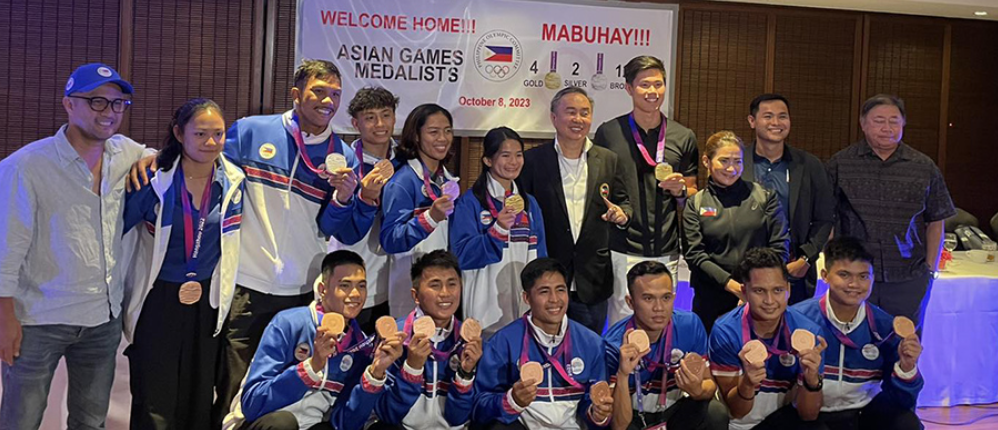
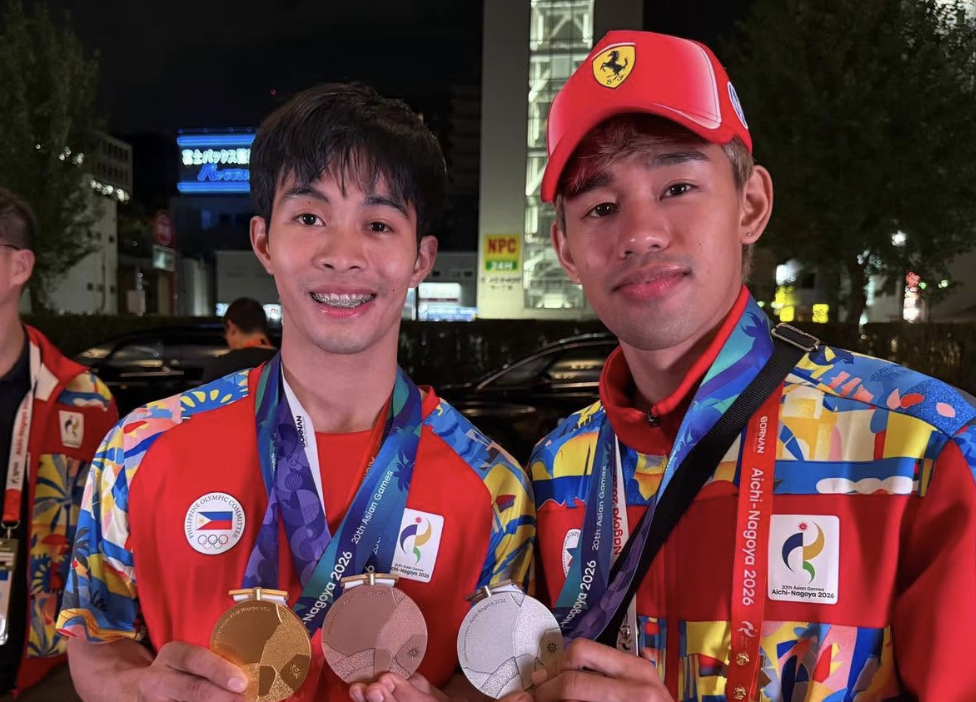
ABS-CBN News’ Paige Javier chronicled the Philippines finishing 17th with four golds, nine silvers, and 16 bronzes. The 29-medal collection became the country’s largest Asian Games haul since Filipino athletes captured 42 medals during Bangkok 1966.
The Philippine Olympic Committee originally hoped to surpass four golds, matching totals achieved during Jakarta-Palembang and Hangzhou. Although another championship never arrived, increased silver and bronze production pushed the overall medal count toward its historic level.
“Hindi nga lang nadagdagan ‘yung gold pero nadagdagan ‘yung silvers and bronzes. Saka ‘yung total nalampasan natin, madami tayong nalampasan.”
Medal Diversity Gives Nagoya Greater Development Value
Philippine Sports Commission chairman Patrick Gregorio estimated medals arrived from approximately 18 or 19 sports, compared with 11 during Hangzhou. That wider distribution gives officials more competitive programs to evaluate when determining which development gains can survive another Olympic cycle.
Yulo and Obiena Give Olympic Planning Proven Anchors
Carlos Yulo delivered the Philippines’ opening two gold medals by conquering men’s floor exercise and vault despite qualification difficulties. Those victories also gave Philippine gymnastics its first Asian Games championships and completed another missing achievement within Yulo’s decorated career.
EJ Obiena followed by successfully defending his men’s pole vault title despite challenging weather conditions throughout the competition. After securing gold at 5.75 meters, Obiena cleared 5.91 meters to establish another Asian Games record in Nagoya.
Proven Champions Remain the Safest Olympic Investments
Yulo and Obiena provide Philippine officials something development prospects cannot yet offer: established performances under Olympic and international championship pressure. Maintaining their support systems should therefore accompany investments designed to discover and develop the country’s next generation of contenders.
Taekwondo Emerges as Philippine Medal Leader
Taekwondo produced five Philippine medals, the highest total contributed by any sport during the Aichi-Nagoya Asian Games campaign. Jeus Yape captured virtual taekwondo gold and poomsae bronze, while Juliana Candelaria, Tachiana Mangin, and Kurt Barbosa collected silvers.
Yape dropped only one round throughout the inaugural virtual taekwondo competition before becoming the Philippines’ fourth and final champion. His late breakthrough earned the 22-year-old closing-ceremony flag-bearing duties after he completed an impressive two-medal Asian Games debut.
Olympic Planning Requires Separating Events Carefully
Nagoya’s taekwondo success cannot automatically translate medal-for-medal toward Los Angeles because virtual taekwondo and poomsae are not Olympic disciplines. Mangin and Barbosa therefore possess more direct LA pathways through kyorugi, making qualification support particularly relevant after their Asian Games silvers.
Near-Misses Reveal Another Layer of Olympic Potential
Several Filipino athletes came within one victory of adding to the four championships during the competition’s closing stages. Carlo Paalam, Mangin, Barbosa, Alexandria Enriquez, Amaya Cojuangco, Jean Claude Saclag, and Gilas Women were among silver medalists.
Paalam lost his boxing final by split decision, while Enriquez reached her jiu-jitsu championship match after submitting every previous opponent. Those results illustrate both Philippine competitive depth and the narrow margins separating a historically strong medal haul from additional gold medals.
Silver Medals Can Identify Programs Worth Strengthening
Runner-up finishes should not automatically guarantee additional funding, but they provide useful evidence when evaluating international competitiveness and developmental progress. Olympic-event finalists deserve especially careful assessment because additional coaching, qualification opportunities, or exposure could potentially address identifiable competitive gaps.
Tolentino Calls for Olympic Sports Funding Push
POC president Abraham Tolentino argued that Nagoya’s results should influence Philippine funding priorities as Los Angeles approaches. He specifically identified Olympic sports, qualifying competitions, foreign coaches, and international exposure as areas requiring attention during the remaining preparation period.
That approach would move planning beyond simply rewarding medalists and toward financing opportunities necessary before athletes can reach Los Angeles. Olympic qualification itself requires resources, particularly when athletes must accumulate rankings, attend overseas events, or access specialized coaching unavailable domestically.
“With this result, dapat doon din tumutok ang PSC sa Olympic sports kasi malapit na yung LA, yung LA Olympics.”
“What are those funding? Lahat ng available qualifying salihan na, foreign coaches, exposure.”
Nagoya Can Become Evidence for Funding Decisions
The Asian Games provides officials with recent performance evidence across numerous sports before major LA qualification campaigns intensify. Funding decisions can now consider podium results alongside Olympic-event compatibility, athlete trajectories, qualification requirements, coaching needs, and international competitive standards.
P35 Million Rewards Success While Next Cycle Begins
The PSC initially calculated approximately ₱35 million in incentives covering Filipino medalists and coaches following the Nagoya campaign. Gregorio expressed hope that additional rewards could eventually come from government and private-sector supporters recognizing the athletes’ achievements.
Those incentives reward completed performances, but Olympic preparation requires another financial conversation focused on future competitive needs. Los Angeles funding must support qualification and development before medals exist, making Nagoya’s results potentially valuable evidence for allocating limited resources.
“Umaabot na po siya sa higit-kumulang mga P35 million in incentives or rewards to the Filipino athletes who won a medal, and that’s for the athletes and for the coaches.”
Rewards Celebrate Yesterday While Investment Builds Tomorrow
Cash incentives recognize athletes after success, whereas high-performance funding must often arrive years before anyone knows whether medals will follow. Philippine sports now faces the harder task of converting Nagoya’s evidence into targeted investments capable of producing results on the Olympic stage.
Analytical Breakdown
Nagoya provided Philippine sports with more than medals because officials now possess recent evidence for evaluating future Olympic investments. Funding should prioritize demonstrated potential alongside coaching, qualification access, sports science, and international exposure rather than simply rewarding medal totals. The strongest LA strategy will protect proven champions while giving emerging Olympic-event contenders enough resources to close remaining competitive gaps.