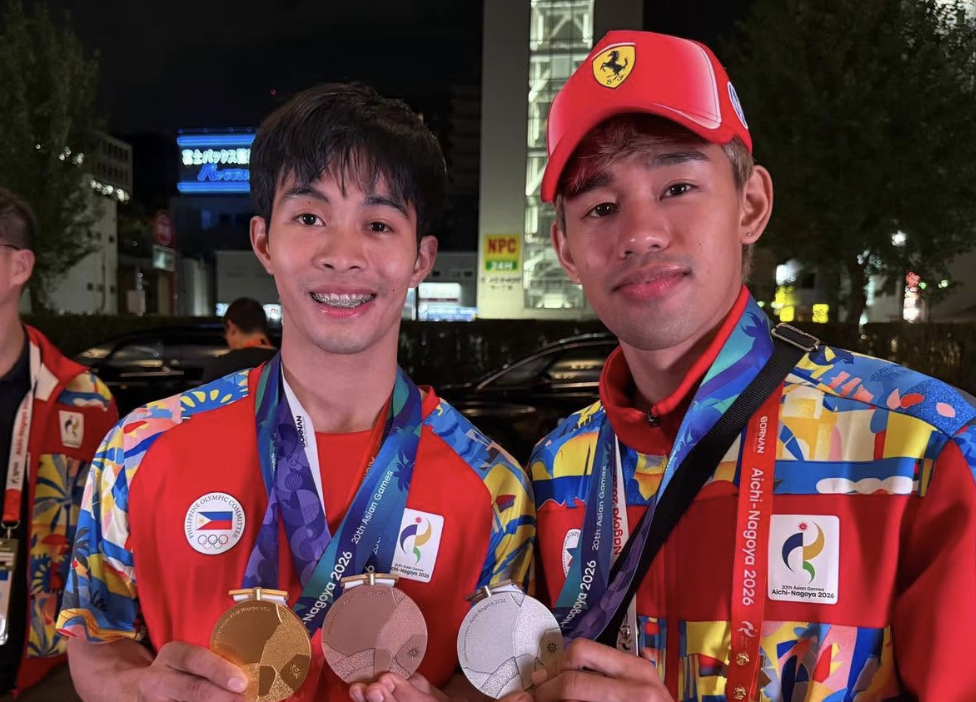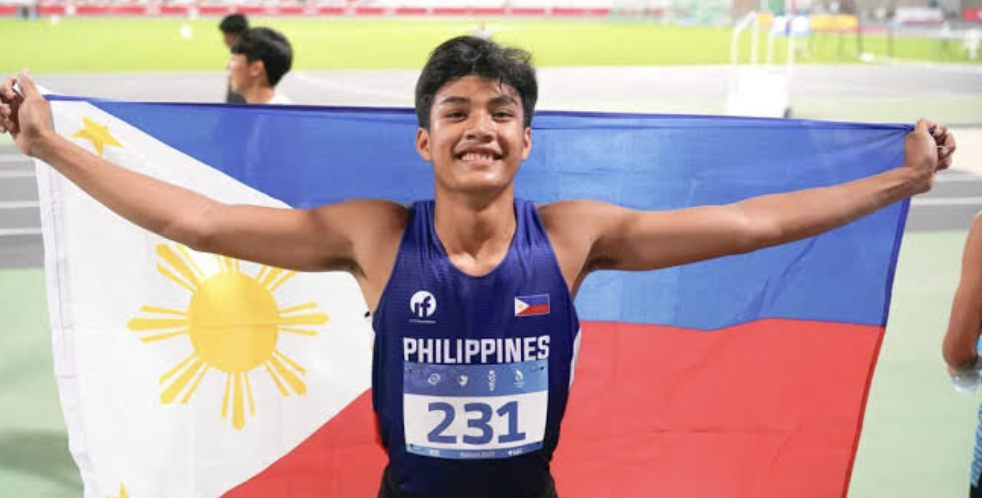
Nine young Filipino athletes will carry the national colors when the Youth Olympic Games open later this month. Team Philippines will compete across seven sports during the October 31-November 13 competition in Dakar, Senegal.
Wangkay and Caesar Lead Philippine Athletics Entries
Pi Durden Wangkay will represent the Philippines in the men’s 200 meters after emerging among the country’s leading junior sprinters. Naomi Marjorie Caesar joins him in athletics, carrying Philippine hopes during the women’s 800-meter competition in Dakar.
Tempo reported Tuesday that every member of the nine-athlete delegation is no older than 17 entering the competition. Philippine Olympic Committee president Abraham Tolentino described the tournament as another developmental platform for potential future senior Olympians.
“They are the future Olympians, future world champions and the Dakar YOG will provide them the platform to follow the footsteps of the Diazes and Yulos.”
Athletics Prospects Gain Valuable International Benchmark
Junior international competition provides Wangkay and Caesar an opportunity to measure themselves against leading athletes from their age group. Results can guide future development without creating premature expectations about how quickly either prospect should progress toward senior competition.
Ajido and Coleman Carry Philippine Swimming Hopes
Jamesray Mishael Ajido will compete in the men’s 100-meter butterfly, giving Philippine aquatics another promising international representative. Riannah Chantelle Coleman completes the swimming contingent through the women’s 100-meter breaststroke during the two-week multisport competition.
Both swimmers enter an environment featuring leading youth prospects from numerous national programs with established international development systems. Facing that level can reveal technical and competitive areas requiring improvement before either athlete eventually transitions toward senior international meets.
Youth Olympics Provide More Than Medal Opportunities
Times and placements matter, but developmental competitions also expose young swimmers to travel, staging procedures, recovery routines, and international pressure. Those experiences become useful preparation when athletes eventually encounter qualification meets carrying greater consequences during their senior careers.
Gymnastics, Cycling and Wushu Add Philippine Depth
Tchelzy Maayo and Hillarion Palles III will represent the Philippines in artistic gymnastics, continuing the country’s expanding international participation. Maritanya Krog enters women’s road cycling and individual time trial competition, adding another discipline to the diversified Philippine delegation.
Angel Polo will compete in women’s Taijiquan combined, giving Philippine wushu representation during the fourth Youth Olympic Games. Their inclusion reflects a delegation constructed across several sports rather than concentrating available opportunities within only traditional Philippine medal programs.
Multisport Representation Broadens Development Pipeline
Sending prospects from different disciplines allows national federations to gain information about how their young athletes compare internationally. That knowledge becomes valuable when deciding which coaching, competition, and development investments should follow during the next Olympic cycle.
Justiniane Completes Team Philippines Through Windsurfing
Jade Justiniane will represent the country in windsurfing, completing a Philippine roster covering seven different sports in Dakar. Sailing already carries Youth Olympic history for the Philippines after Christian Tio earned kiteboarding silver during the Buenos Aires edition.
The country’s other Youth Olympic medal came from Luis Gabriel Moreno, who captured mixed international team archery gold in Nanjing. Those previous achievements provide historical context without creating medal requirements for a delegation whose athletes remain early within their development.
Previous Medals Establish Useful Historical Reference
Moreno and Tio demonstrated that Filipino youth athletes can compete successfully within an international Olympic multisport environment. Dakar’s prospects should nevertheless be evaluated through performance progression alongside medals because development remains the competition’s broader purpose.
Dakar Makes Olympic History on African Soil
Approximately 2,700 athletes representing more than 200 National Olympic Committees are expected during the October 31-November 13 Games. Dakar will become the first African host of an Olympic event, giving the fourth Youth Olympics additional historical significance.
The Philippine delegation arrives after the country’s 29-medal Asian Games campaign and before December’s Asian Indoor and Martial Arts Games. That schedule provides Philippine sports another opportunity to evaluate the younger athletes potentially forming future senior national-team pools.
Development Should Continue Long After Dakar
Youth tournaments become most valuable when federations maintain support regardless of whether young athletes immediately return home with medals. Coaching continuity, international exposure, sports science, and competitive opportunities should determine whether promising teenagers eventually become sustainable senior performers.
Analytical Breakdown
Dakar matters because these athletes need international benchmarks before senior Olympic qualification becomes the primary measure of success. Seven represented sports also give Philippine officials useful evidence about development quality across several different national programs. The bigger challenge begins afterward, when promising performances must receive enough sustained support to survive the difficult transition into senior competition.