The Philippines chased eight Asian Games gold medals but finished well below the ambitious benchmark established before Nagoya. Filipino athletes still collected 29 medals, matching the previous edition’s four championships while producing several painful near-misses.
Eight-Gold Target Proves Beyond Philippine Reach
Manila Bulletin’s Rey Virgilio Lachica chronicled the closing stages as the Philippines attempted to improve its Hangzhou gold-medal haul. The delegation finished the source’s competition snapshot with four golds, nine silvers, and 16 bronzes despite numerous remaining medal opportunities.
That 29-medal haul placed the Philippines 16th overall pending results from events still being completed later that day. The country also ranked fourth among Southeast Asian delegations behind Thailand, Malaysia, and Indonesia at that stage.
Southeast Asian Medal Comparison
- Thailand: 17 gold, 13 silver, 20 bronze
- Malaysia: 9 gold, 5 silver, 16 bronze
- Indonesia: 5 gold, 10 silver, 23 bronze
- Philippines: 4 gold, 9 silver, 16 bronze
Enriquez Takes Silver as Late Gold Opportunity Slips Away
Jiu-jitsu standout Alexandria Luz Enriquez provided another late opportunity to increase the Philippine gold count in the women’s -63kg division. She reached the championship match before Thailand’s Orapa Senatham denied her the victory needed to add another Filipino title.
Enriquez instead secured silver, adding another medal to a Philippine campaign already filled with several narrow championship misses. Her result also reinforced the difference between reaching medal contention and converting those opportunities into the golds required by projections.
Final-Day Results Show Fine Margins Behind Medal Targets
An eight-gold target ultimately depends on athletes converting enough championship opportunities during tournaments decided by exceptionally narrow competitive margins. Enriquez reached her final, yet another silver could improve the overall haul without moving the delegation closer to eight golds.
Near-Misses Shape Philippines’ Final Gold-Medal Count
Several painful defeats contributed to the Philippines remaining at four gold medals, including Carlo Paalam’s narrow boxing setback. Paalam suffered a 3-2 decision, one of the results cited as especially frustrating during the country’s Nagoya campaign.
Other Filipino medal opportunities disappeared late as competitors encountered difficult opposition across jiu-jitsu, softball, padel, and taekwondo. Those defeats illustrated how quickly projected medal totals can change once championship expectations meet actual tournament brackets and performances.
Late Medal Attempts End Without Additional Podiums
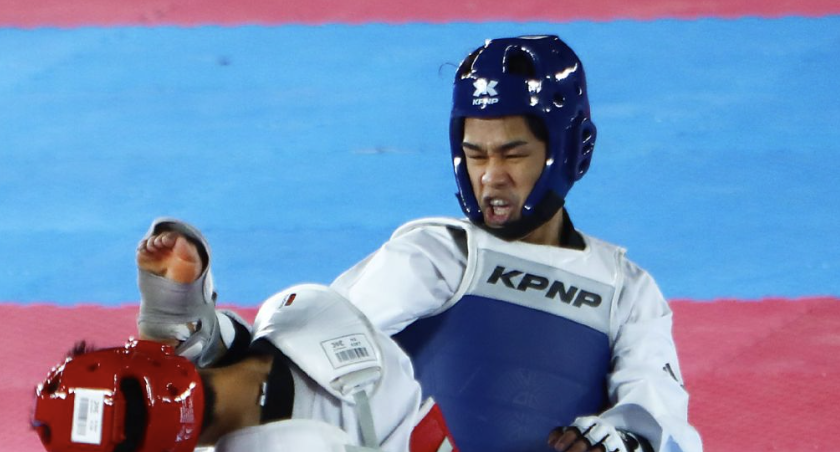
The Blu Girls suffered a 12-2 loss against Chinese Taipei, ending another Philippine opportunity to add bronze. Padel tandem Danna Abad and Joshea Malazarte also lost, while taekwondo’s Baby Jessica Canabal exited during the quarterfinals.
Sports Officials Stand Behind Ambitious Eight-Gold Benchmark
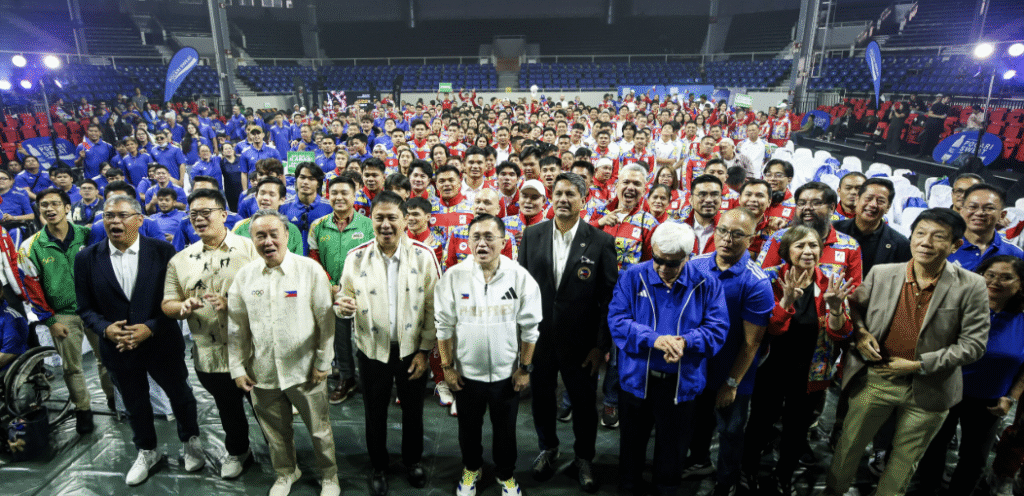
Philippine Sports Commission chairman Patrick Gregorio defended the eight-gold objective established by Philippine Olympic Committee president Abraham Tolentino. Gregorio and PSC Commissioner Walter Torres argued that ambitious standards remain necessary when pursuing stronger performances against elite international competition.
Their position separated the value of establishing a demanding benchmark from the delegation’s inability to actually reach that number. The Philippines ultimately matched Hangzhou’s four-gold output instead of doubling it, leaving future campaigns with another performance gap to address.
Ambition Still Requires Measurable Competitive Progress
Setting difficult targets can create urgency, but those goals become meaningful only when supported by preparation capable of producing results. Future medal projections should therefore connect expectations with athlete development, international exposure, coaching resources, and realistic event-by-event championship opportunities.
Four Golds Leave Bigger Questions Beyond Medal Table
Missing eight golds does not erase the achievements of Filipino medalists, particularly athletes who reached finals against Asia’s strongest competitors. However, matching the previous Games’ four championships also leaves legitimate questions about converting investment and preparation into measurable improvement.
The next evaluation should extend beyond one medal target and examine which programs consistently produced finalists, podiums, and championship contenders. Those findings can identify where additional resources offer realistic returns before another ambitious numerical target becomes the campaign’s central benchmark.
Nagoya Provides Evidence for the Next Development Cycle
Silver and bronze medals identify athletes already approaching championship level, while early eliminations can reveal larger competitive development gaps. Studying those patterns offers Philippine sports officials a stronger foundation for allocating resources before the next major continental cycle begins.
Analytical Breakdown
Missing eight golds matters because the target established an objective measurement for evaluating the Philippines’ Asian Games championship progress. Still, four golds alone cannot explain which programs improved, stagnated, or narrowly missed converting genuine medal opportunities into titles. The better post-Games assessment should examine preparation and conversion rates before determining whether future medal targets reflect achievable competitive depth.