Philippine golfers lost significant ground during a difficult third round, leaving their Asian Games medal chances increasingly remote. Rianne Malixi remained the highest-placed Filipina individually, but costly closing holes severely damaged her pursuit of bronze.
Malixi’s Back-Nine Slide Damages Individual Medal Bid
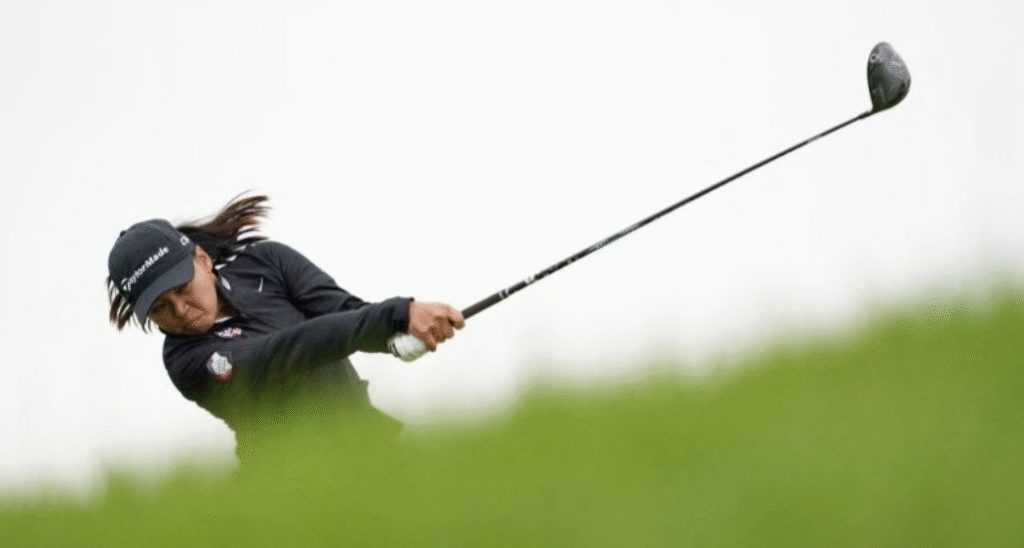
Philstar.com’s Jan Veran chronicled Malixi’s difficult finish after she opened the third round with a promising two-under 33. The Duke University standout surrendered momentum afterward, mixing two bogeys with one birdie before making double-bogey at the closing hole.
Her one-over 71 left her tied for sixth at nine-under 207 alongside Hong Kong’s Wai Chung Ding and Thailand’s Arphichaya Yubol. Malixi entered the final round eight strokes behind China’s third-placed Ruoning Yin, creating an extremely difficult route toward the podium.
Closing Stretch Changes Malixi’s Medal Outlook
Malixi’s front nine kept bronze within realistic reach before her back-nine mistakes created considerable separation from the medal positions. Recovering eight strokes over one remaining round would require an exceptional performance combined with significant movement from competitors ahead.
Women’s Team Drops to Seventh After Difficult Round
Bianca Pagdanganan carded her second consecutive 71, leaving the experienced Filipina tied for 15th individually at a 212 total. Pauline del Rosario had already missed the cut, reducing the Philippines’ available options as the women’s team pursued another Asian Games medal.
The Filipinas combined for 142 during the third round, moving their 54-hole total to 418 and seventh place overall. They trailed third-place Hong Kong by seven strokes and tournament leader China by 13 entering the final 18 holes.
Jakarta Success Becomes Harder to Replicate
The Philippines entered Nagoya carrying history from its remarkable women’s golf double-gold performance at the 2018 Jakarta Asian Games. Yuka Saso captured individual gold while helping Pagdanganan and Lois Kaye Go secure the country’s historic team championship.
Delos Santos Leads Struggling Philippine Men’s Campaign
Justin delos Santos produced a 71 under challenging conditions, slipping into a share of 12th place at 206 overall. He remained seven strokes behind joint second-placed Kazuki Higa and Wang Wei Hsuan entering the tournament’s final round.
Miguel Tabuena struggled to generate momentum and posted a one-over round, leaving him tied for 23rd place at 211. Carl Corpus endured the toughest Filipino round, shooting 77 and falling into a share of 34th position at 218.
Individual Deficits Leave Little Margin Remaining
Delos Santos remained the country’s best-positioned male golfer, but seven strokes separated him from the nearest positions immediately behind leader Tom Kim. Tabuena and Corpus faced even larger deficits, making substantial final-round movement necessary merely to climb significantly through the standings.
Men’s Team Falls Fourteen Shots Outside Podium Position
The Philippine men’s team combined for 142 during the third round, slipping into eighth place with a 416 aggregate. That total left the Filipinos 14 strokes behind third place, making a team medal increasingly unlikely with one round remaining.
Korea led at 400, while host Japan remained one stroke behind heading into the decisive final day. Chinese Taipei and China shared 402, creating a tightly packed four-team championship battle well ahead of the Philippines.
Forty-Year Gold Drought Remains Under Threat
Philippine men’s golf entered the tournament seeking its first Asian Games gold medal since Ramon Brobio’s individual triumph during Seoul 1986. The third-round setbacks placed another championship increasingly beyond reach, extending pressure surrounding a drought already spanning four decades.
Final Round Leaves Philippines Chasing Major Comebacks
Malixi still carried the country’s strongest individual women’s position despite falling eight shots behind the bronze-medal spot after three rounds. Both Philippine teams faced similarly difficult circumstances, requiring substantial final-round gains alongside costly mistakes from several better-positioned opponents.
The situation contrasted sharply with earlier rounds when Malixi and Pagdanganan had positioned themselves closer to individual medal contention. Moving Day instead exposed how quickly Asian Games golf standings can change when late mistakes compound against consistently low scoring.
Final Eighteen Holes Become a Test of Response
With medal opportunities severely reduced, the final round still offered Filipino golfers an important opportunity to finish their campaigns strongly. Responding after a damaging third day could provide valuable experience, particularly for players continuing their development toward future international competitions.
Analytical Breakdown
Malixi’s third round demonstrated how one difficult closing stretch can dramatically reshape medal chances during elite stroke-play competition. The team deficits also exposed the importance of multiple dependable rounds when aggregate formats punish simultaneous struggles across several players. With only 18 holes remaining, disciplined recovery mattered more than forcing aggressive shots that could compound an already difficult position.