President Marcos Inspects National Academy of Sports Facilities
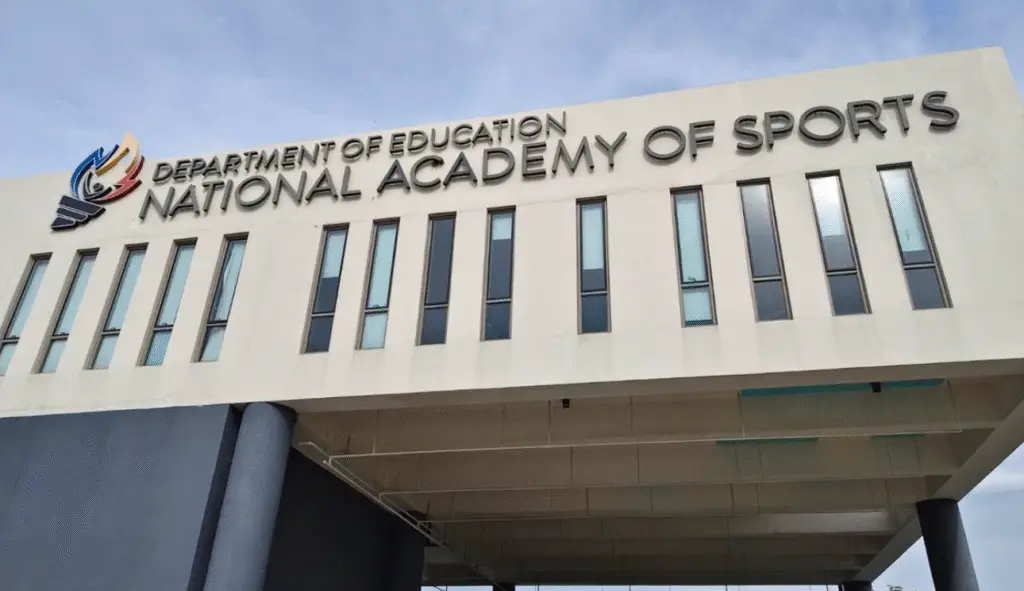
According to an initial report by Dexter Cabalza of INQUIRER.net, President Ferdinand Marcos Jr. visited the National Academy of Sports (NAS) in New Clark City, Capas, Tarlac, to inspect its expanding facilities and reaffirm the government’s commitment to long-term athlete development.
Accompanied by Education Secretary Sonny Angara, the President toured academic buildings, sports facilities, and athlete residences while meeting student-athletes enrolled at the government-run institution. The visit highlighted the administration’s continued support for combining quality education with high-performance athletic training under one integrated national development program.
National Academy of Sports Continues Expanding Athlete Development Facilities
Government officials inspected newly completed and nearly finished facilities supporting both academic instruction and elite sports preparation. The ongoing expansion reflects the academy’s objective of providing young Filipino athletes with training environments comparable to established international sports development centers.
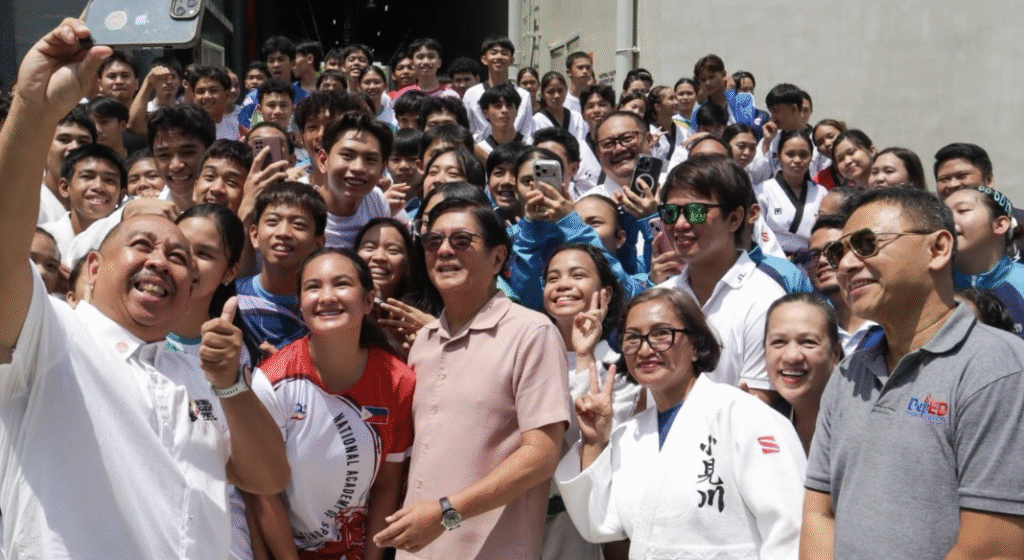
Image from: Inquirer.net
President and Education Officials Inspect Campus Improvements
During the visit, President Marcos and Education Secretary Angara toured several major facilities across the National Academy of Sports campus.
Completed facilities include:
- Academic and Administration Building
- Multi-Sports Gymnasium
Facilities nearing completion include:
- Modern Gymnastics Hall
- Sports Performance Building
- Student residences
- Staff housing
Officials said the infrastructure expansion aims to strengthen athlete preparation while supporting students’ academic growth inside a dedicated sports education environment.
Education Department Highlights Integrated Learning Model
Education Secretary Sonny Angara described the academy as an institution designed to develop both athletic excellence and academic achievement simultaneously.
“We are immensely proud to see how this institution has grown into a premier hub that bridges elite athletic training and quality academic education for our youth.”
He also emphasized the government’s commitment to strengthening Philippine sports through sustained investment.
“Under the leadership of President Marcos, we will continue to enhance these spaces to produce champions who will proudly represent the Philippines on the global stage.”
Recommended Article: Philippines Sends Nine Athletes to Youth Olympics
Modern Sports Infrastructure Supports Athlete Preparation
Officials noted that dedicated training facilities allow student-athletes to prepare under conditions previously unavailable to many young Filipino competitors. The academy’s continuing development represents part of the government’s broader effort to strengthen national sports infrastructure.
Angara Underscores Importance of Dedicated Training Venues
During the inspection, Angara explained that modern facilities significantly improve athlete preparation compared with previous training arrangements.
“The president noted that our athletes now have a dedicated space to train, unlike before when they had to share public facilities.”
He added that continued infrastructure development demonstrates the country’s increasing investment in sports.
“It is important to show the public that we have the infrastructure to help our student-athletes hone their skills.”
Officials believe specialized venues provide athletes with greater opportunities to improve technical skills while preparing for future international competitions.
National Academy of Sports Supports Hundreds of Student-Athletes
The academy continues expanding its enrollment while maintaining a structured athlete development program across several priority Olympic sports. The institution combines formal secondary education with specialized coaching, sports science, and high-performance training throughout the academic year.
School Year 2026–2027 Enrollment Covers Seven Core Sports
For School Year 2026–2027, the National Academy of Sports will support 246 student-athletes competing across seven priority disciplines.
Core sports include:
- Aquatics
- Athletics
- Badminton
- Gymnastics
- Judo
- Table Tennis
- Taekwondo
The National Academy of Sports was established through Republic Act No. 11470, signed into law during 2020. The legislation created a national institution dedicated to combining academic education with structured long-term athlete development.
Comprehensive Athlete Support Extends Beyond Competition
Student-athletes receive services designed to support both athletic performance and academic success throughout their education.
Program benefits include:
- Dormitory accommodation
- Daily meals and snacks
- Strength and conditioning programs
- Full academic instruction
- Twenty-four-hour student support
- Monthly personal allowance worth ₱3,000
The academy currently operates with 174 personnel consisting of teachers, administrators, coaches, sports scientists, and specialized program staff.
Athlete Performances Reflect Continued Program Development
Officials believe recent competition results demonstrate steady progress throughout the National Academy of Sports development program. Medal performances across national and international competitions have strengthened confidence in the academy’s long-term athlete development strategy.
Student-Athletes Continue Producing Strong Results
According to Department of Education data, National Academy of Sports student-athletes won 1,029 medals during national and international competitions throughout 2025.
The academy also produced strong results during the 2026 Palarong Pambansa.
The delegation earned:
- 10 gold medals
- 5 silver medals
- 11 bronze medals
- 26 total medals
Officials said the consistent performances reflect growing competitive depth rather than isolated achievements from only a few athletes. Those results have strengthened expectations that the academy can become a significant contributor to future Philippine national teams and Olympic programs.
Character Development Remains Central to the Academy’s Mission
National Academy of Sports officials emphasized that the institution measures success through personal growth alongside athletic achievement and academic excellence. They said developing disciplined, responsible, and resilient young citizens remains equally important as producing future international competitors.
Sports Education Promotes Leadership and Personal Growth
Education Secretary Sonny Angara said the academy’s objectives extend beyond winning medals in domestic and international competitions.
“More than bringing home medals, investing in sports is also an investment in the well-being, discipline, and positive development of our youth.”
He also explained that sports help shape values supporting both individual success and stronger school communities.
“It is through sports that their resilience and sense of unity are nurtured, which will greatly contribute to our goal of continuously strengthening safe and caring schools.”
Officials said those principles remain central to the academy’s long-term educational and athletic development philosophy.
National Sports Academy Aligns with International Development Models
The National Academy of Sports reflects a long-term strategy increasingly adopted by countries pursuing sustained international sporting success across multiple generations. Rather than focusing exclusively on elite athletes, the academy emphasizes early identification, structured development, and continuous education throughout adolescence.
Centralized Athlete Development Has Proven Effective Internationally
Countries including Australia, Japan, South Korea, China, and several European nations operate centralized sports academies supporting talented youth athletes.
These institutions commonly integrate:
- Formal education
- Elite coaching
- Sports science
- Nutrition programs
- Medical support
- International competition exposure
International sports organizations widely recognize these integrated systems as important foundations for long-term Olympic and world championship success. The National Academy of Sports represents the Philippines’ effort to establish a similar pathway while adapting the model to local educational and sporting priorities.
Industry Analysis: Education and Training Drive Success
Centralized athlete development systems have become increasingly important because they provide consistent coaching, education, sports science, and competitive opportunities throughout an athlete’s formative years. International experience shows that sustained Olympic success typically results from structured long-term investment rather than relying solely on exceptional individual talent.
The continued expansion of the National Academy of Sports reflects the Philippines’ commitment to strengthening its athlete development pipeline through integrated education and high-performance training. Maintaining that progress will ultimately depend on sustained government support, coaching development, international competition opportunities, and effective collaboration among national sports organizations, educational institutions, and local stakeholders.
Source Note: This article is based on the initial report by Dexter Cabalza of INQUIRER.net, supplemented with publicly available information from the Department of Education and Republic Act No. 11470.
Frequently Asked Questions
What is the National Academy of Sports?
The National Academy of Sports combines secondary education with specialized athletic training to develop future Filipino national athletes and Olympians.
How many student-athletes are enrolled for School Year 2026–2027?
The academy supports 246 student-athletes competing across seven priority sports during School Year 2026–2027.
What benefits do National Academy of Sports student-athletes receive?
Student-athletes receive free education, dormitory accommodation, meals, strength and conditioning support, coaching, student services, and monthly allowances.
Which sports are included in the academy’s current program?
The academy currently focuses on aquatics, athletics, badminton, gymnastics, judo, table tennis, and taekwondo.
Why is the National Academy of Sports important for Philippine sports?
The academy provides a structured long-term athlete development pathway that combines education with elite sports preparation for future international competitions.
Disclaimer: Headline Image from Philippine News Agency on Facebook.