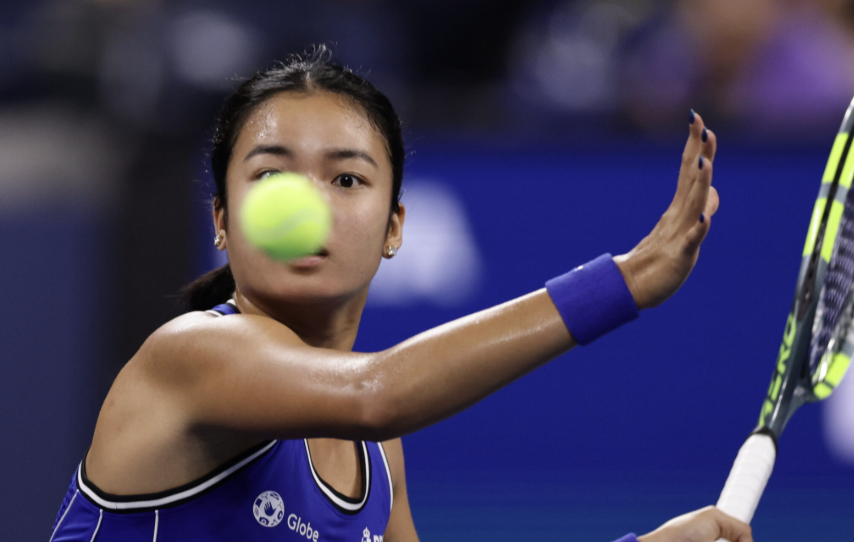
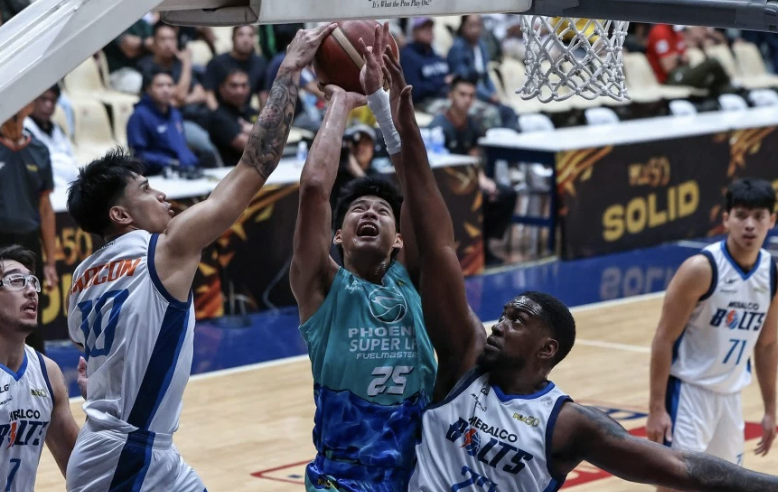
Philippine sports officials faced Senate scrutiny Thursday over support systems affecting national athletes preparing for major international competitions. The hearing followed the Asian Games, where strong medal results existed alongside complaints involving allowances and training expenses.
Senate Examines Athlete Support After Asian Games
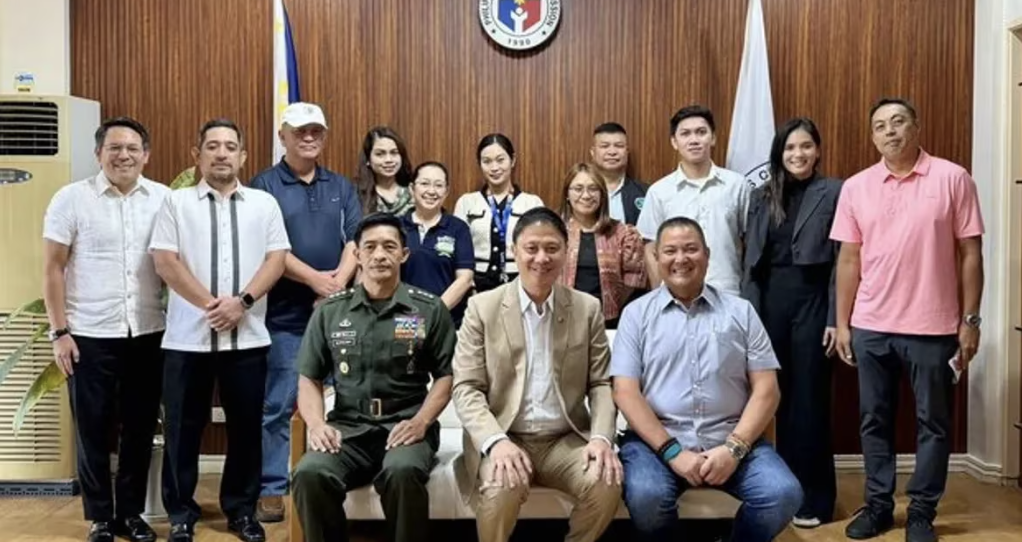
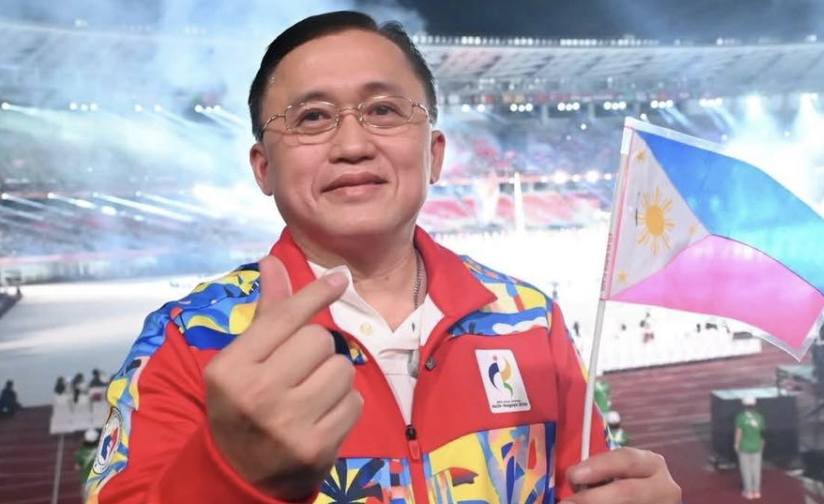
The Senate Committee on Sports conducted its post-Asian Games evaluation with national sports officials and athletes appearing before lawmakers. Committee chairman Christopher Go said institutional disputes should never prevent Filipino athletes from receiving assistance required for training.
The Philippines returned from Nagoya with 29 medals, representing its largest Asian Games collection across the previous six decades. That success strengthened arguments that athletes deserve dependable support before competitions rather than recognition arriving only after podium finishes.
Medal Results Provide Only Part of Performance Review
Post-event evaluation should examine preparation quality alongside medal totals because competitive results cannot reveal every administrative weakness affecting athletes. Strong performances become more sustainable when funding, coaching, recovery, and logistical support remain dependable throughout an entire training cycle.
Volleyball Allowances Become Central Hearing Issue
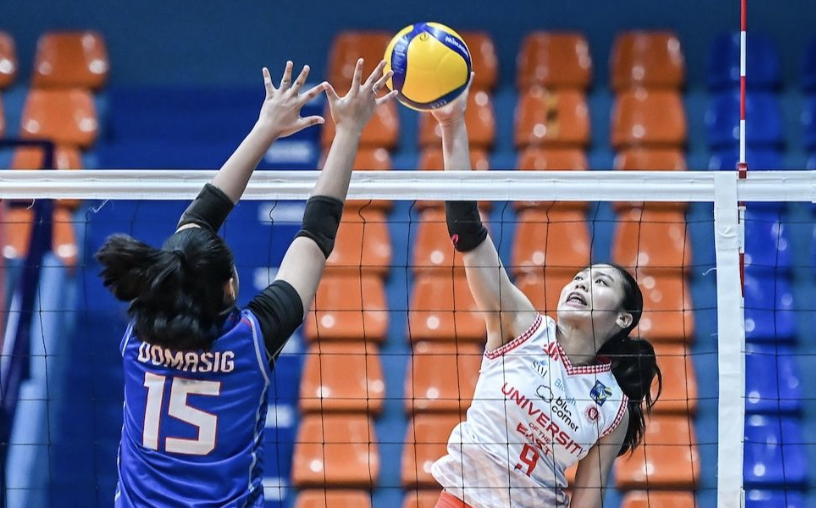
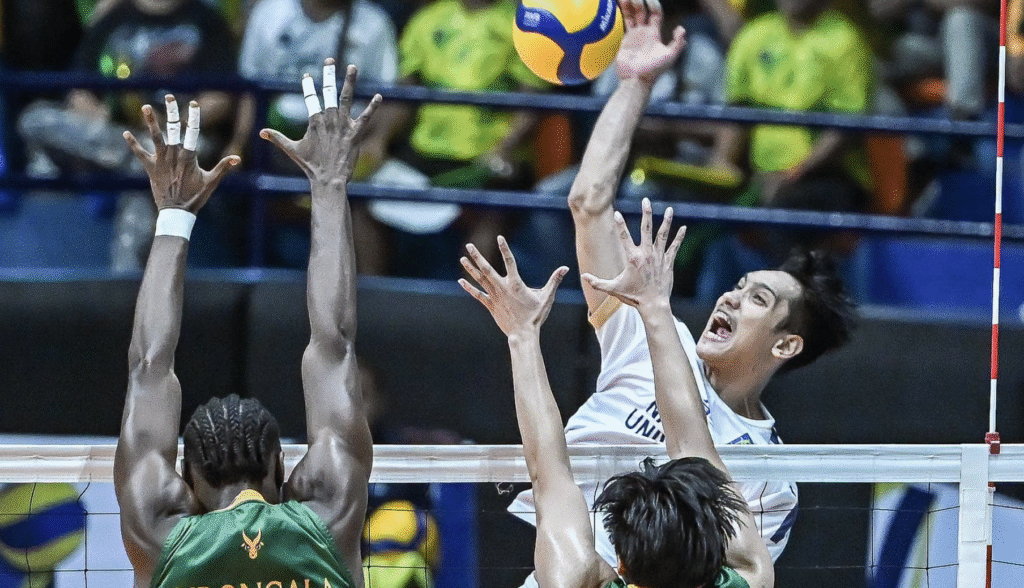
Concerns involving Alas Pilipinas entered the hearing after players publicly discussed delayed allowances and personal expenses connected with national-team training. Bryan Bagunas and Josh Ybañez were among players whose experiences raised questions surrounding financial support before representing the Philippines.
Volleyball officials acknowledged during the proceedings that national-team allowances had remained unpaid since July amid financial and organizational difficulties. That confirmation shifted the discussion from general funding concerns toward how administrative problems can directly affect athletes preparing for competition.
Delayed Payments Create Problems Beyond Personal Finances
National athletes structure daily schedules around training, recovery, transportation, nutrition, and other requirements necessary for international-level preparation. Delayed allowances can therefore become performance issues when competitors must redirect attention toward expenses that sporting institutions should already address.
Go Wants Athletes Protected From Sports Politics
Go argued that disagreements among sports organizations should remain separate from the assistance promised to national-team competitors. His position emphasized creating safeguards allowing government support to continue even when federations experience financial, administrative, or leadership problems.
The hearing therefore raised a broader governance question extending beyond the volleyball situation discussed during Thursday’s proceedings. Philippine sports needs mechanisms ensuring athletes remain protected when disputes develop among organizations responsible for managing their competitive programs.
Athlete Assistance Needs Institutional Safeguards
Reliable systems should make essential support less dependent upon whether individual federations are experiencing temporary organizational or financial difficulties. Athletes cannot control governance disputes, making continuity mechanisms necessary when those problems threaten training allowances or competition preparation.
Asian Games Success Raises Support Expectations
Team Philippines’ 29 medals demonstrated considerable competitive depth across numerous sports during the recently completed Asian Games in Japan. That achievement also makes support deficiencies harder to dismiss because medal-level athletes require consistent resources long before reaching international podiums.
Future competitions will place similar demands on federations and government agencies as preparations shift toward another Olympic qualification cycle. Correcting administrative weaknesses now could prevent talented athletes from entering important qualifiers already disadvantaged by inadequate preparation or financial uncertainty.
International Ambitions Require Everyday Support
World-class competition requires more than occasional funding increases announced immediately before major events or after successful medal campaigns. Consistent daily support provides athletes with the environment necessary to convert talent and training into sustainable international performance.
Senate Review Can Produce Measurable Sports Reforms
The value of Thursday’s inquiry will depend upon whether testimony produces specific improvements rather than another temporary discussion about funding. Clearer payment procedures, accountability mechanisms, and athlete protections could provide measurable outcomes before another major Philippine delegation competes internationally.
Government investment should ultimately reach athletes efficiently enough that financial assistance supports preparation at the moment it becomes necessary. Establishing that reliability would strengthen both athlete welfare and the country’s broader pursuit of improved international sporting results.
Accountability Should Continue Beyond Public Hearings
Sports agencies and federations should eventually demonstrate whether promised reforms actually shortened delays and improved services reaching national athletes. Transparent follow-up would transform congressional oversight from temporary criticism into a practical mechanism supporting stronger Philippine sports governance.
Analytical Breakdown
The Asian Games proved Filipino athletes can compete successfully even when organizational weaknesses remain visible behind their performances. Delayed allowances deserve particular attention because athletes should concentrate on preparation rather than finding money simply to attend training. Philippine sports will improve when dependable support becomes standard before medals arrive, instead of becoming urgent only after problems emerge.