Philippines Sends 38 Players to Pickleball World Cup
The Philippines will send 38 players to the Pickleball World Cup in Da Nang, Vietnam, targeting a breakthrough international performance. Filipino competitors across multiple age divisions will test the country’s growing program against one of the tournament’s largest international fields.
Philippines Sends 38 Players to Pickleball World Cup
ABS-CBN News’ tournament coverage detailed a field exceeding 4,000 participants representing approximately 70 nations during the Da Nang competition. The World Cup runs from August 30 through September 6, providing the Philippine delegation with several competitive opportunities throughout the week.
Filipino players will compete across the Open, Under-18, Under-14, Kids, and Seniors categories during the international tournament. Representation across multiple age groups gives the Philippines medal opportunities while exposing developing and experienced players to unfamiliar international opposition.
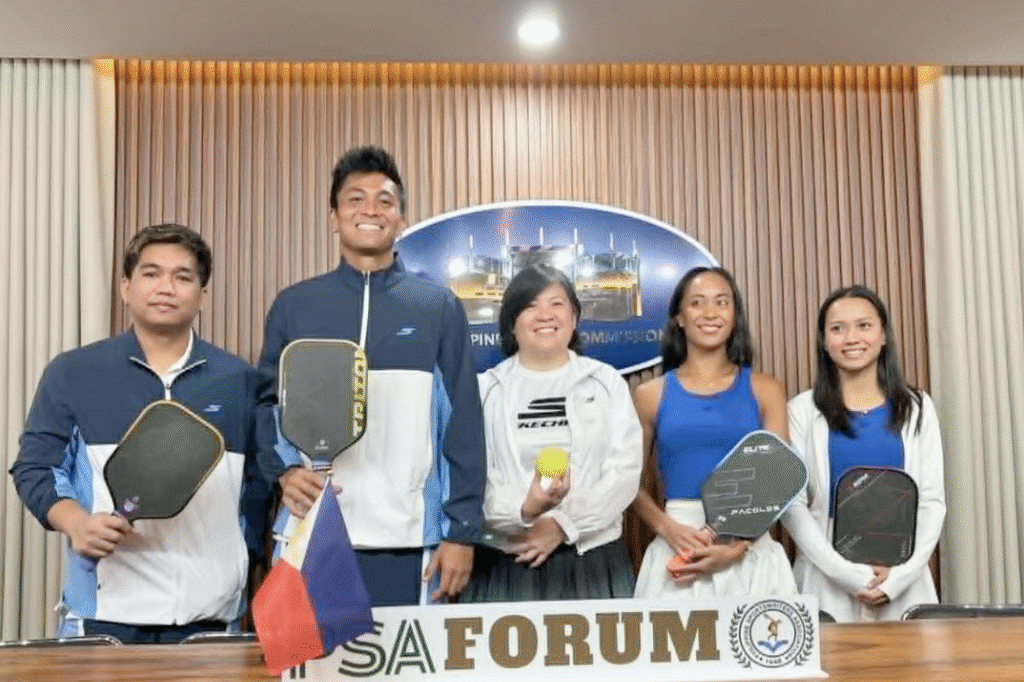
Image from: Daily Tribune
Five Divisions Create Multiple International Opportunities
Sending juniors alongside open and senior competitors provides international experience across several stages of the Philippine player-development pathway. Younger athletes can measure their technical progress while experienced players test established skills against opponents from different competitive environments.
Six-Month Selection Process Shapes Philippine Squad
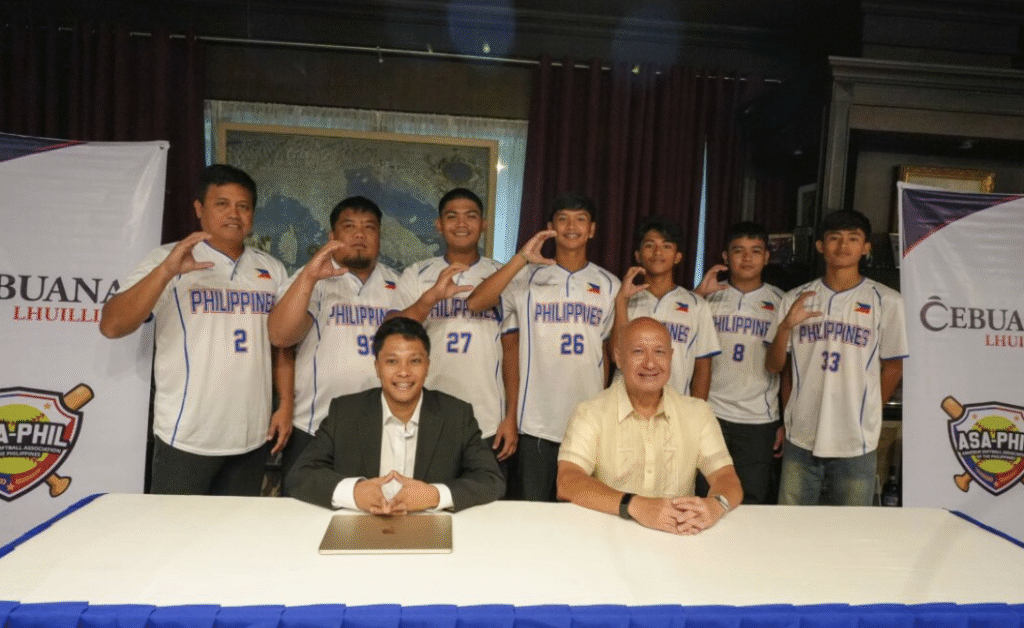
The Philippine Pickleball Federation assembled its World Cup delegation following nearly six months of domestic competitions and player evaluations. Current standings determined some roster positions, while competitive tryouts provided another pathway for players seeking national-team selection.
Federation president Shery Cu believes the Philippines can make an impression while competing against a considerably larger international player pool. Her expectations reflect a national program targeting competitive results rather than treating the tournament exclusively as an exposure opportunity.
“That is why eyes are on us. They want to see what we can bring. And many will be surprised.”
Shery Cu Sets Podium Target for National Team
Cu publicly identified a podium finish as the delegation’s target, establishing a measurable competitive objective before the Philippine team enters competition. Reaching that standard would provide another benchmark for evaluating whether domestic tournaments and selection processes are producing international-level competitors.
“We want to make an impression. We are hoping for a podium finish. We expect a good finish in this World Cup.”
Ruben Gonzales Leads Experienced Racket-Sport Core
Ruben Gonzales brings extensive national-team experience after representing Philippine tennis internationally before transitioning into another competitive racket sport. The former Davis Cup player and two-time Southeast Asian Games gold medalist now receives another opportunity to represent the Philippines.
“It’s an honor to represent the Philippines in pickleball now.”
Nik Isagan also brings a tennis background after moving into pickleball during 2023, adding another experienced racket-sport athlete to the delegation. Tennis experience provides useful anticipation and racket control, although successful pickleball requires specialized movement, positioning, and soft-game decision-making.
“I’ve been with the national tennis team since 2010 and this is my first time playing for our country in pickleball.”
Recommended Article: Amaranta Pickleball Tournament Crowns Three Top Winners
Tennis Skills Transfer Differently Into Pickleball
Pickleball’s non-volley zone changes attacking decisions, requiring patience, controlled dinking, compact volleys, and disciplined positioning around the kitchen line. Players must recognize when to drive, drop, reset, or accelerate instead of relying exclusively on power during attacking exchanges.
United States, Vietnam Headline Major World Cup Tests
Isagan identified the United States and host Vietnam among the strongest challenges awaiting the Philippines during the international tournament. Competing against established programs will test how quickly Filipino players adjust when facing unfamiliar opponents across different divisions.
“There’s a high chance but it’s going to be tough because there are many powerhouse teams like the US and Vietnam.”
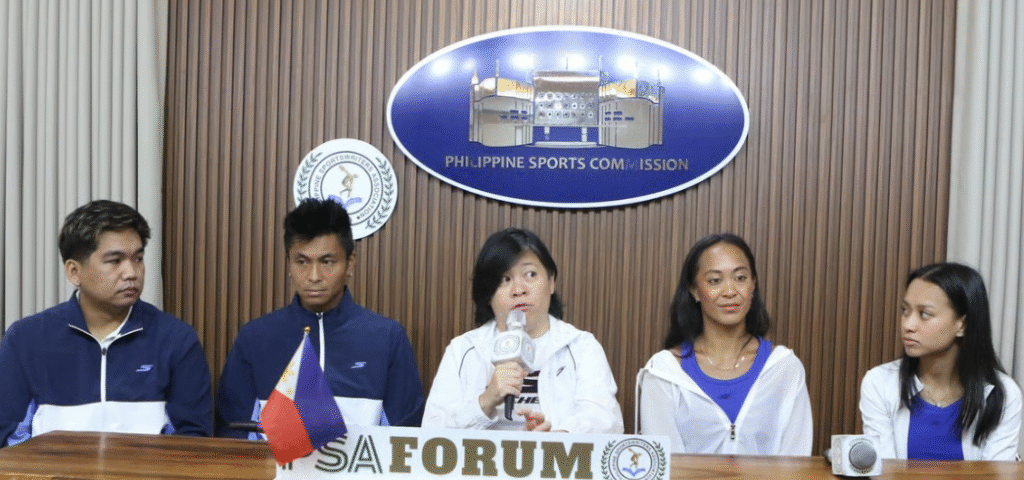
Kelsey Laurente joins Gonzales, Isagan, and Fatima Amirul among the Philippine players presented before the delegation’s departure for Vietnam. Laurente set an ambitious target for the national squad while acknowledging through her competitive approach the importance of representing the country.
“We will do our best and bring that gold medal back home.”
Adaptability Becomes Essential Against Unfamiliar Styles
International opponents can present contrasting approaches involving patient dinking, aggressive poaching, powerful drives, or rapid exchanges around the non-volley zone. Filipino players must identify tendencies quickly because limited scouting information provides fewer opportunities for extensive tactical preparation before matches.
World Cup Measures Philippine Pickleball Development
Domestic pickleball participation continues expanding, but international competition provides a different benchmark for measuring the country’s competitive progress. Federation-backed tournaments, national rankings, and structured selection can establish pathways, while World Cup matches reveal how those systems translate internationally.
A delegation spanning junior, open, and senior divisions also creates development opportunities beyond immediate medal expectations in Vietnam. Sustainable progress will increasingly depend on producing athletes with pickleball-specific foundations rather than relying entirely on transfers from other racket sports.
Junior-to-Senior Pathway Offers Long-Term Benchmark
International competition can expose weaknesses in return depth, kitchen positioning, transition defense, serving pressure, communication, and tactical decision-making. Those lessons can guide future training and selection while helping the federation identify priorities across different stages of player development.
Analytical Breakdown: A Stronger Team for the Future
International tournaments provide a different measure of progress because every match tests players against unfamiliar styles and higher competitive standards. Consistent execution, communication, and patience often separate successful teams when opponents quickly expose technical and tactical weaknesses.
A 38-player delegation across multiple age divisions also reflects the steady development of Philippine pickleball beyond recreational participation. Giving juniors, open players, and seniors opportunities to compete internationally helps strengthen the national talent pipeline while providing valuable experience for future international competitions.
Frequently Asked Questions
How many Filipino players will compete in the Pickleball World Cup?
The Philippines will send 38 representatives across several competitive divisions at the Pickleball World Cup in Vietnam.
Where is the 2026 Pickleball World Cup being held?
The Pickleball World Cup will take place in Da Nang, Vietnam, from August 30 through September 6.
Which divisions will the Philippines compete in?
Filipino players will compete in the Open, Under-18, Under-14, Kids, and Seniors divisions during the tournament.
Who are some players representing the Philippines?
Ruben Gonzales, Nik Isagan, Kelsey Laurente, and Fatima Amirul are among the players representing the Philippine national team.
Which countries are expected to challenge the Philippines?
Nik Isagan identified the United States and host Vietnam among the major challenges awaiting the Philippine delegation.
Disclaimer: Headline Image from Daily Tribune.