South Korea Dominates But Filipinas’ Historic World Run Continues
Alas Pilipinas Girls saw their quarterfinal hopes end after South Korea delivered a controlled straight-sets victory in Santiago, Chile. The Filipinas lost, 25-21, 25-18, 25-14, but their historic FIVB Girls’ U17 World Championship campaign remains unfinished.
South Korea Takes Control After Competitive Opening Set
Alas stayed within striking distance throughout the opening frame, repeatedly challenging South Korea before eventually dropping a competitive 25-21 decision. The Filipinas struggled to maintain that resistance afterward as Korea established cleaner attacking patterns and stronger control during extended rallies.
South Korea captured the second frame, 25-18, before completing the sweep with a commanding 25-14 performance in the third. The entire Round of 16 encounter lasted 69 minutes, reflecting Korea’s increasing control as the match progressed.
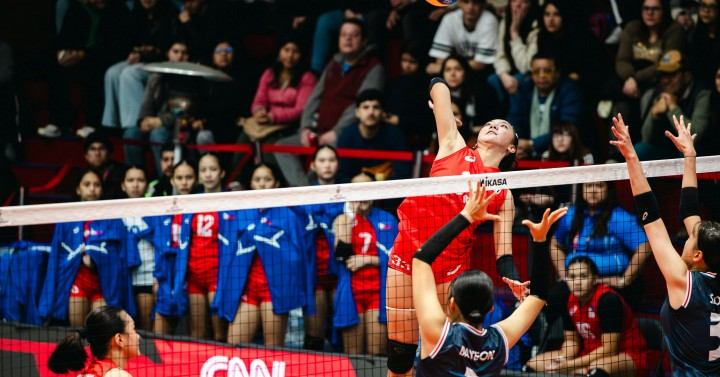
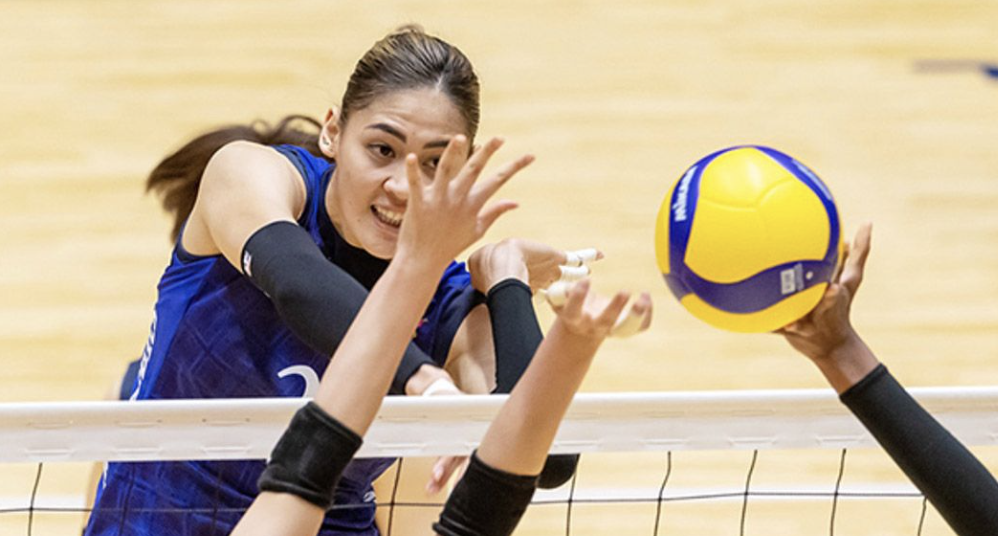
Image from: Philippine News Agency
Korea Gradually Breaks Philippine Resistance
The Philippines showed enough defensive resistance early to prevent Korea from immediately creating significant separation on the scoreboard. However, sustaining that pressure became increasingly difficult once Korea improved its first-ball execution and consistently created favorable attacking opportunities.
Attack Numbers Expose Philippines’ Biggest Problem
South Korea created the clearest statistical separation through attacking production, generating significantly more successful swings throughout the three-set encounter. Korea recorded 45 attack points compared with 29 from Alas, producing a substantial 16-point advantage through offensive execution.
That difference placed continuous pressure on the Philippine defense while preventing Alas from establishing enough sustained scoring runs. Against disciplined international opponents, overcoming such an attacking deficit requires significant advantages through serving, blocking, errors, or transition efficiency.
Korea Builds Decisive Offensive Advantage
- South Korea attacks: 45 points
- Philippines attacks: 29 points
- Attack-point difference: 16
- Match duration: 1 hour, 9 minutes
- Final score: 25-21, 25-18, 25-14
Those numbers highlight where the knockout encounter separated after the Philippines successfully challenged Korea throughout the opening frame. Alas needed stronger serving runs and additional transition opportunities, but Korea rarely allowed either advantage to develop consistently.
Seoyeon Son Leads Korea’s Balanced Pressure
Seoyeon Son created the biggest individual problem for the Philippine defense, delivering 19 points during Korea’s convincing Round of 16 victory. Her production included 13 attacks, three blocks, and three aces, demonstrating an ability to influence several phases.
That versatility prevented Alas from organizing its defensive strategy solely around limiting Son’s attacking attempts from particular areas. Her serving and blocking contributions created additional pressure whenever the Philippines attempted to rebuild momentum during difficult rotations.
Son Produces Across Three Scoring Areas
Son’s balanced production demonstrated how elite youth attackers can influence matches without depending exclusively on successful offensive swings. Her six combined points through blocks and aces gave Korea valuable scoring beyond conventional attacking situations against the Philippines.
Caera Celis Continues Strong World Championship Run
Caera Celis again carried considerable scoring responsibility for the Philippines, finishing with 14 points against South Korea’s organized defense. She became the only Alas player reaching double figures, continuing her productive individual campaign against high-level international opposition.
Xyz Rayco contributed nine points, but Korea prevented the Philippines from developing another consistent high-volume scoring option throughout three sets. That distribution exposed an important development area because knockout matches often demand dependable production across several attacking rotations.
Recommended Article: Alas Girls Reach FIVB U17 Worlds Round of 16 in Chile
Celis Remains Philippines’ Offensive Anchor
Celis entered the knockout match after producing 24 points during the Philippines’ dramatic five-set preliminary defeat against Venezuela. Her continued production against Korea showed impressive consistency despite facing another disciplined blocking system designed to limit primary attackers.
Alas Girls Already Made Philippine Volleyball History
The Korea defeat cannot erase the progress achieved before the Philippines reached the tournament’s elimination stage for the first time. Alas advanced from Pool B after finishing 2-3 and securing fourth place through its crucial standings advantage over Mexico.
The Filipinas recorded victories against Mexico and Tunisia, demonstrating their ability to handle contrasting international styles during pool competition. Luisa Morales of One Sports reported [Insert Link Here] that Alas now moves into the ninth-to-16th classification phase.
Round of 16 Berth Marks Major Breakthrough
Reaching the knockout stage gave Philippine youth volleyball another meaningful benchmark against programs possessing deeper international experience and established development systems. The achievement also guarantees additional world-level matches that can provide valuable evidence for future national-team development decisions.
Pool Stage Tests Alas Under Different Pressures
The Philippines opened against powerhouse China before responding strongly with consecutive victories over Mexico and Tunisia during Pool B competition. Those results demonstrated the squad’s ability to recover quickly rather than allowing an opening defeat to derail its campaign.
Peru later punished Alas after the Filipinas surrendered a commanding third-set advantage during another difficult four-set encounter. The Philippines still advanced by pushing Venezuela to five sets, securing the standings point required to preserve fourth place.
Philippines’ Road to Round of 16
- Lost to China
- Defeated Mexico
- Defeated Tunisia
- Lost to Peru
- Lost to Venezuela in five sets
- Advanced as Pool B’s fourth qualifier
- Lost to South Korea in Round of 16
That demanding route exposed the Filipinas to momentum swings, qualification pressure, five-set volleyball, and knockout intensity within one tournament. Those experiences can accelerate development when players eventually progress toward collegiate, professional, and senior national-team competition.
Classification Phase Still Carries Development Value
Alas may be eliminated from championship contention, but its remaining classification matches still carry competitive and developmental importance. Those fixtures determine the Philippines’ final position between ninth and 16th while providing additional exposure against quality international opponents.
Every additional match gives coaches another opportunity to evaluate reception, serving, blocking assignments, transition offense, and late-set decision-making. Players also gain repetitions against systems and physical profiles rarely encountered consistently during domestic youth competition.
Final Placement Remains Meaningful for Alas
Classification matches can reveal how quickly young players recover emotionally after losing an important knockout encounter on the world stage. Responding positively would demonstrate competitive maturity while giving the Philippines another opportunity to strengthen its historic tournament performance.
Japan Presents Another High-Level Test
The Philippines next faces Japan during the ninth-to-16th classification phase, providing another demanding assignment against an established Asian volleyball program. Japan traditionally emphasizes technical precision, defensive discipline, efficient transition play, and intelligent attacking rather than depending exclusively on physical advantages.
Alas cannot afford extended scoring droughts against opponents capable of transforming defensive touches into organized counterattacks with remarkable consistency. Stabilizing first contact becomes especially important because poor reception immediately reduces setter options and makes Philippine attacks easier to anticipate.
First Contact Could Shape Japan Match
Aggressive serving can help Alas disrupt Japan’s offensive rhythm before its attackers receive opportunities against a fully organized Philippine defense. The Filipinas must also generate greater attacking variety after Korea successfully limited their secondary scoring throughout the Round of 16.
Korea Defeat Highlights Development Priorities
World championship competition exposes technical weaknesses faster because stronger opponents repeatedly punish the same vulnerability until teams successfully adjust. Korea demonstrated that reality by steadily widening its attacking advantage once the Philippines struggled to maintain offensive efficiency.
Closing that gap requires more than developing another powerful scorer because successful international offense begins with stable reception and quality setting options. Better first contact allows setters to distribute more unpredictably, preventing opposing blockers from consistently loading toward primary Philippine attackers.
Secondary Scoring Must Continue Developing
Celis has demonstrated she can carry significant offensive responsibility, but international opponents will increasingly build defensive plans around limiting her production. Developing additional dependable scorers would create harder blocking decisions and give Alas more solutions whenever its primary attacking patterns become predictable.
Historic Campaign Can Strengthen Philippine Pathway
The immediate tournament objective remains securing the highest classification finish possible before the Philippines completes its campaign in Chile. However, the larger value comes from identifying which skills must improve before these players advance toward higher competitive levels.
Youth international tournaments should connect directly with long-term development rather than becoming isolated events measured entirely through wins and final rankings. Lessons involving reception, transition efficiency, serving pressure, and closing sets can become valuable if carried into future training environments.
World-Level Experience Must Become Long-Term Growth
Several Alas players have now experienced pressures unavailable during most domestic competitions, including elimination matches against elite international programs. Turning those experiences into sustained development could ultimately matter more than the Philippines’ final position at this particular tournament.
Analytical Breakdown: More Than a Knockout Loss
South Korea demonstrated the level of consistency required to succeed in the knockout stage of a world championship. The Philippines remained competitive early, but the widening gap in attacking efficiency and transition execution eventually allowed Korea to control the match.
The classification round now offers another meaningful opportunity for Alas Pilipinas Girls to continue their development against elite international opponents. Additional matches against teams like Japan will provide valuable experience while helping the coaching staff identify areas that need refinement before the next stage of the national program.
Frequently Asked Questions
Who defeated Alas Pilipinas Girls in the Round of 16?
South Korea defeated Alas Pilipinas Girls, 25-21, 25-18, 25-14, in the FIVB U17 World Championship Round of 16.
Who led Alas Pilipinas against South Korea?
Caera Celis led the Philippines with 14 points, while Xyz Rayco contributed nine markers during the straight-set defeat.
Who was South Korea’s leading scorer?
Seoyeon Son led South Korea with 19 points from 13 attacks, three blocks, and three service aces.
Did Alas Pilipinas reach the U17 World Championship quarterfinals?
No, South Korea eliminated the Philippines from quarterfinal contention after winning their Round of 16 matchup in straight sets.
Who will Alas Pilipinas Girls play next?
The Philippines will face Japan during the ninth-to-16th classification phase following its Round of 16 defeat against South Korea.
What is the Philippines’ best possible finish?
Alas Pilipinas can still finish ninth overall by successfully navigating its remaining classification matches at the U17 World Championship.
Disclaimer: Headline Image from DZRH News.