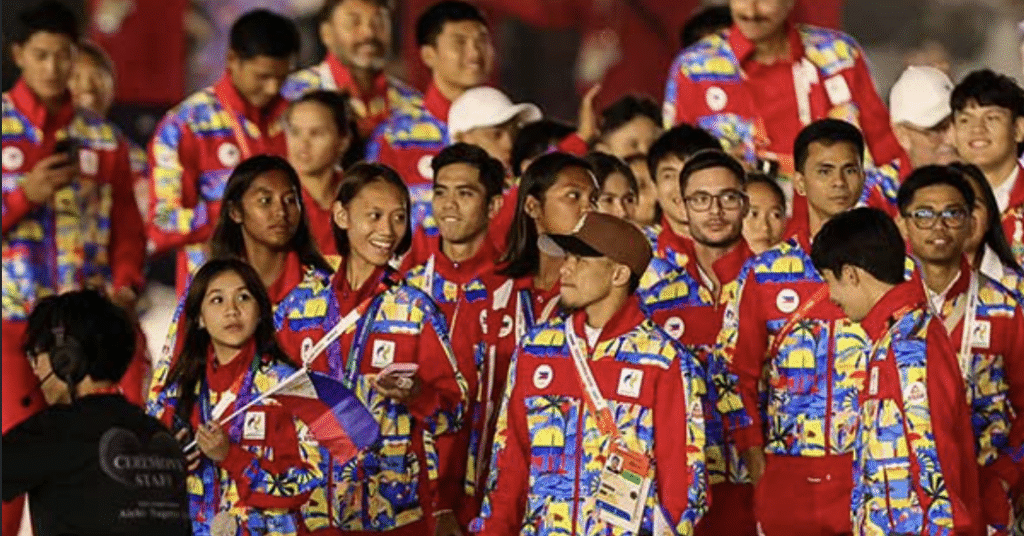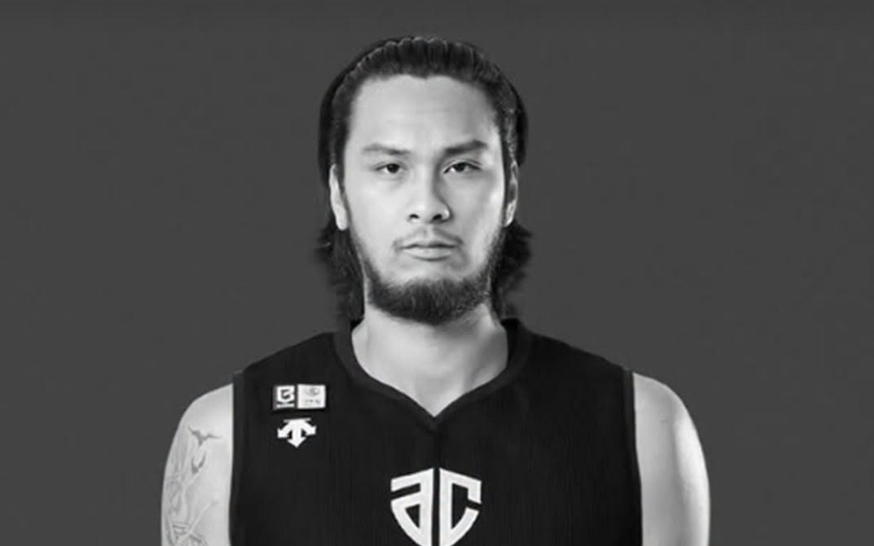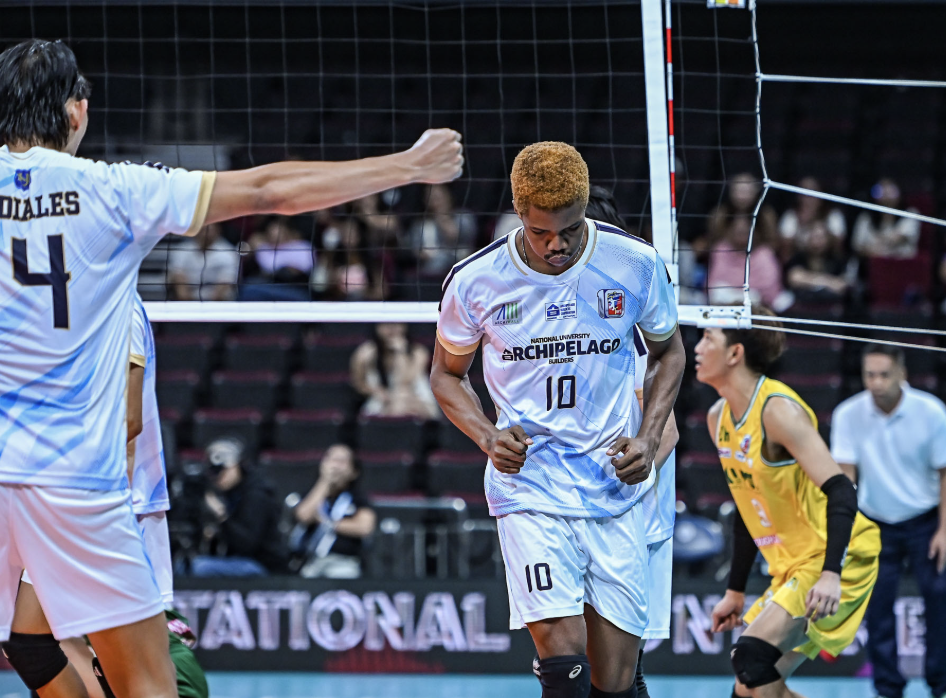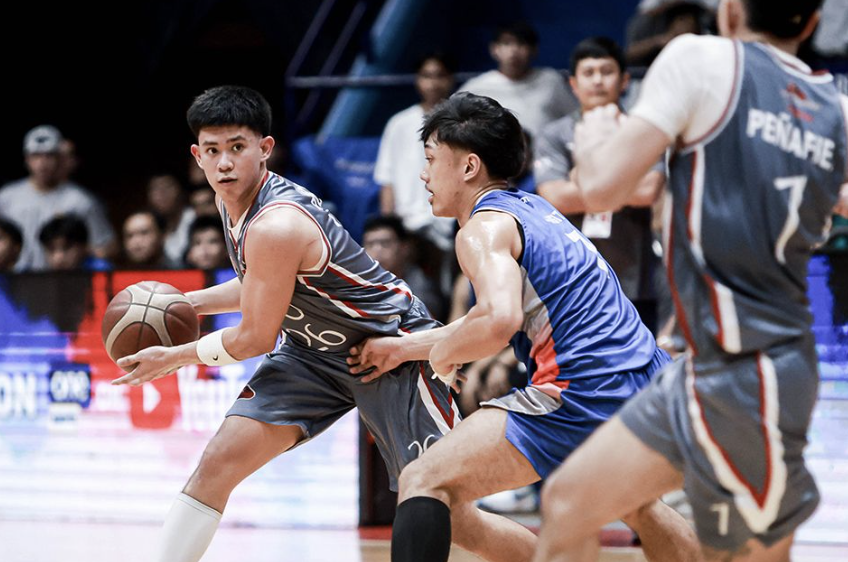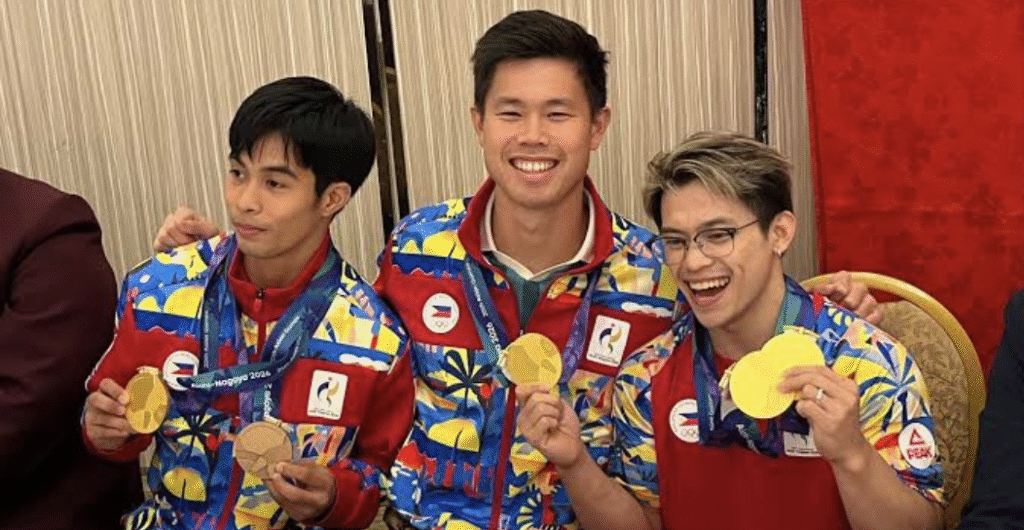
Twenty-nine medals told the final story, but the names behind them revealed something larger about Philippine sports in Nagoya. Olympic champions, established stars, emerging athletes, and breakthrough medalists combined to produce the country’s deepest Asian Games haul in six decades.
Yulo Carries Olympic Gold Into Another Continental Stage
GMA News’ Bea Micaller identified Carlos Yulo as the delegation’s anchor after he delivered two of four Philippine golds. Already twice an Olympic champion, Yulo conquered the men’s floor exercise and vault competitions during another commanding international performance.
The 26-year-old added Asian Games championships to a résumé already decorated across the sport’s biggest international competitions. His golden double also demonstrated that his Paris triumphs were transferable accomplishments rather than isolated moments belonging to one extraordinary Olympics.
Yulo Gives the Medal Haul Its Golden Foundation
Two championships from one athlete immediately gave the Philippine campaign a dependable centerpiece while other medal opportunities developed across Nagoya. Yulo supplied half the country’s gold total, reinforcing his position among the most accomplished athletes Philippine sports has produced.
Obiena Clears the Bar After Gold Is Already Won
EJ Obiena had already secured another men’s pole vault championship when he continued jumping with history still available above him. The Filipino cleared 5.91 meters, establishing another Asian Games record while successfully defending his continental championship from Hangzhou.
His decision to continue chasing the record transformed an already successful title defense into another demonstration of competitive ambition. Obiena did not merely protect his place atop Asian pole vault; he pushed the championship standard higher after victory became secure.
One More Attempt Turns Victory Into a Record
Champions sometimes reveal themselves most clearly after the result is settled and only personal standards remain available to chase. Obiena already possessed gold at 5.75 meters, yet continued until another Asian Games record belonged beside his championship.
Yape Creates Philippine Taekwondo History in New Event
Jeus Yape emerged during the campaign’s closing stretch, giving Philippine taekwondo a breakthrough through the newly introduced virtual discipline. The 22-year-old captured mixed individual gold after previously earning bronze during the men’s individual poomsae competition.
His two medals made Yape one of the delegation’s most productive performers while demonstrating versatility across distinctly different taekwondo formats. More importantly, his championship opened another pathway for Philippine athletes as virtual taekwondo entered the Asian Games medal program.
A New Event Produces a New Filipino Champion
Debut events arrive without inherited Asian Games champions, meaning somebody must permanently become the first name written into their history. Yape seized that opportunity for Philippine taekwondo while completing a rare two-medal campaign across traditional and virtual disciplines.
Nine Silvers Show How Close More Golds Became
The Philippines collected nine silver medals, reflecting how frequently Filipino athletes reached championship stages without securing the final victory. Carlo Paalam became boxing’s lone Filipino medalist after finishing second during the men’s 55-kilogram tournament against his Japanese opponent.
Gilas Pilipinas Women earned 3×3 basketball silver, while taekwondo contributed runner-up finishes from Kurt Barbosa, Tachiana Mangin, and Juliana Candelaria. Amaya Cojuangco, Alexandria Enriquez, Jean Claude Saclag, and the women’s sepak takraw squad completed the Philippine silver-medal group.
Silver Medals Reveal Both Progress and Unfinished Business
Nine runner-up finishes demonstrate considerable competitive depth because each required Filipino athletes to advance within striking distance of championships. They simultaneously reveal the campaign’s central frustration: numerous gold opportunities emerged, yet the final Philippine championship total remained four.
Sixteen Bronzes Complete a Broad Philippine Podium
Alex Eala joined the bronze medalists after her women’s singles title pursuit ended against China’s Wang Xiyu during the semifinals. Young gymnast Eldrew Yulo and weightlifter Ian Albert Delos Santos also reached their respective podiums with breakthrough third-place finishes.
Victoria Bossong and John Tolentino contributed athletics bronzes, while medals also arrived from beach volleyball, esports, martial arts, sepak takraw, and surfing. Soft tennis added another podium, demonstrating how widely the Philippine medal count spread across disciplines during the Nagoya campaign.
Emerging Medalists Give Twenty-Nine Greater Meaning
The value of 29 medals extends beyond arithmetic when younger athletes begin sharing podiums with established Filipino international stars. Eldrew Yulo, Bossong, and other emerging medalists provide potential building blocks for maintaining Philippine competitiveness beyond one Asian Games cycle.
Six Decades of Waiting End With Twenty-Nine Medals
Four golds, nine silvers, and 16 bronzes produced the Philippines’ biggest overall Asian Games medal collection across six decades. The achievement came through multiple sports rather than one dominant discipline, giving the final tally unusual breadth across the national delegation.
That distinction matters because sustainable international progress requires more than several exceptional champions carrying an entire country’s medal expectations. Nagoya instead produced established winners alongside new medalists, creating both immediate success and potential foundations for future Philippine campaigns.
The Medal Table Becomes a Collection of Names
Numbers eventually become historical records, but athletes determine whether those figures carry stories capable of lasting beyond one competition. Nagoya’s 29 medals connected Yulo and Obiena’s established excellence with Yape’s breakthrough and another generation beginning its own international journey.
Analytical Breakdown
The strongest feature of this Philippine campaign was not merely 29 medals, but the variety of athletes producing them. Proven champions delivered expected golds while younger competitors reached podiums, creating depth that could survive beyond today’s established sporting stars. Turning those silver and bronze finishes into future championships would make Nagoya the foundation of something larger than one historic haul.