Nagoya gave Philippine sports more than medals by identifying disciplines capable of contributing toward another ambitious Olympic campaign. Ten of 16 medal-producing sports belong to the Olympic program, providing officials with tangible evidence before Los Angeles 2028.
Ten Olympic Sports Produce Philippine Medals
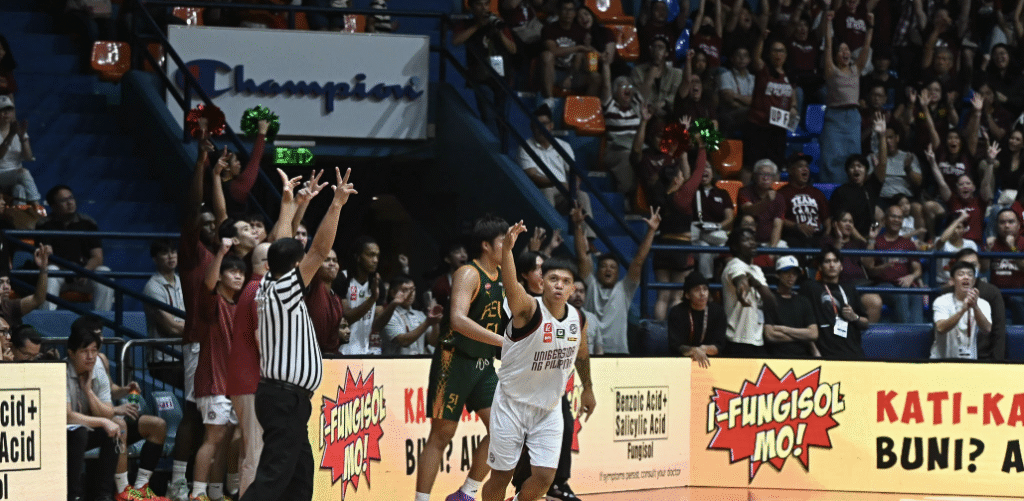
The Philippine Star’s Joaquin Henson highlighted 10 Olympic sports responsible for medals during the recently concluded Asian Games. Gymnastics, taekwondo, athletics, basketball, archery, boxing, beach volleyball, surfing, tennis, and weightlifting all contributed to the Philippine tally.
Six other medal-producing disciplines were jiu-jitsu, mixed martial arts, sepak takraw, esports, karate, and soft tennis. The distribution gives Philippine officials a useful distinction when assessing Asian Games success through the narrower requirements of Olympic preparation.
Nagoya Medal Sports Split Into Two Groups
- Olympic sports: Gymnastics, taekwondo, athletics, 3×3 basketball, archery, boxing, beach volleyball, surfing, tennis, weightlifting
- Non-Olympic sports: Jiu-jitsu, mixed martial arts, sepak takraw, esports, karate, soft tennis
Tolentino Wants Qualification Push Sustained
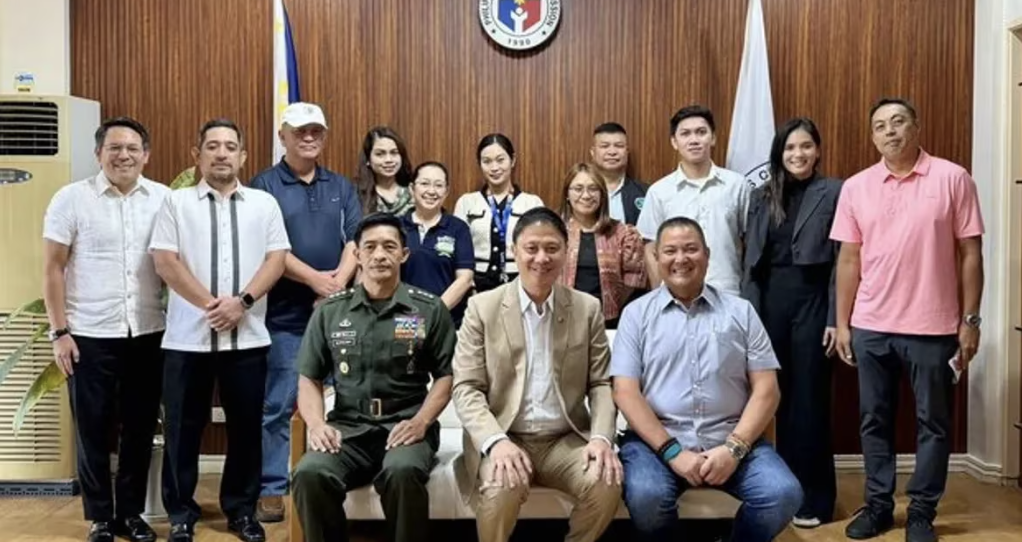
Philippine Olympic Committee president Abraham Tolentino wants Nagoya’s results converted into sustained preparation for Los Angeles qualification. He called for continuous training, coaching support, tournament participation, and funding while athletes compete for available Olympic places.
That emphasis shifts attention toward the difficult period between continental medals and earning actual places at the Summer Games. Even successful Asian Games athletes must navigate qualification systems requiring rankings, tournaments, international exposure, and sustained high-performance support.
“That’s the focus in our preparations. ‘Yan din dapat tutukan for training ng mga coaches sa qualifying tournaments to compete for all available slots.”
“Huwag tumigil at pati funding huwag ibitin.”
Asian Games Medals Cannot Replace Olympic Qualification
Nagoya performances establish competitive evidence, but no medal automatically guarantees Filipino athletes a place at the Los Angeles Olympics. Federations must now convert encouraging results into qualification campaigns designed around each sport’s international pathway and competitive calendar.
Yulo, Obiena and Yape Lead Gold Medalists
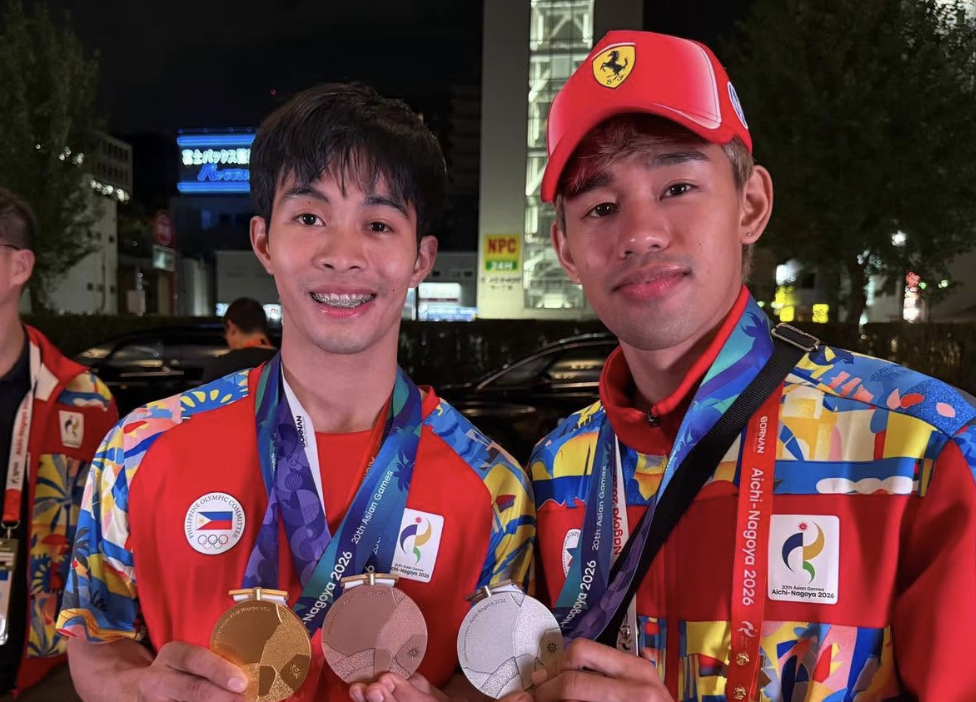
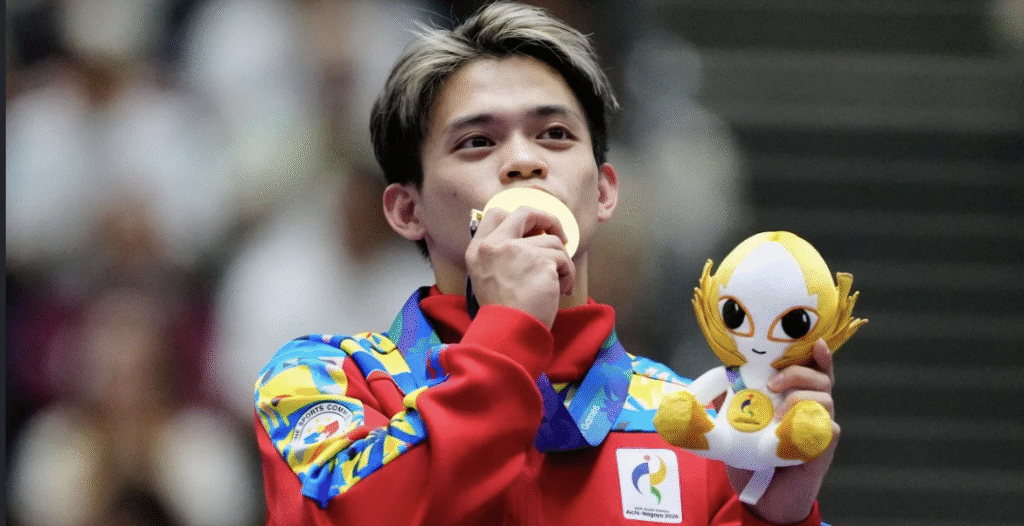
Carlos Yulo, EJ Obiena, and Jeus Yape supplied the Philippines’ four gold medals during its historic Nagoya campaign. Yulo captured two gymnastics championships, Obiena defended pole vault gold, while Yape delivered the country’s final title through virtual taekwondo.
Tolentino identified the trio as the country’s leading male performers while praising Alex Eala among the women’s medalists. Their performances represented different career stages, from proven Olympic champions to athletes establishing themselves within major continental competition.
Olympic Relevance Requires Event-Level Context
Yulo’s gymnastics titles and Obiena’s pole vault championship came directly from established Olympic medal events on the international program. Yape’s virtual taekwondo victory carried Asian Games significance, although that specific discipline does not provide an equivalent LA medal event.
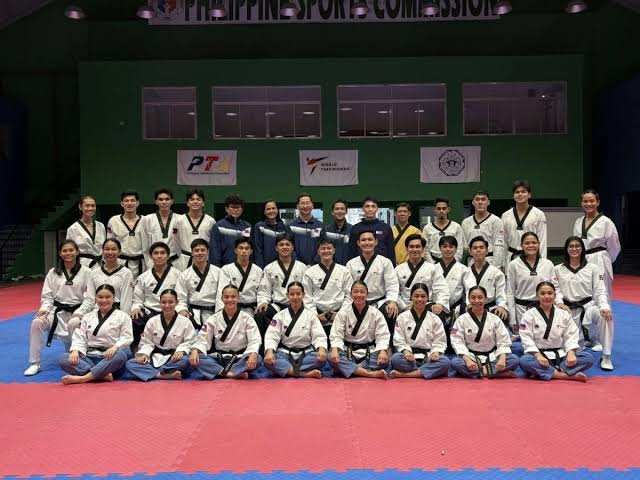
Taekwondo Leads Philippine Sports With Five Medals
Taekwondo finished as the country’s most productive sport in Nagoya after generating one gold, three silvers, and one bronze. Gymnastics and athletics followed with three medals apiece, giving those disciplines particularly visible roles within the overall Philippine campaign.
The results provide national sports associations with performance evidence, but medal totals alone cannot determine future Olympic investment priorities. Athlete development, qualification opportunities, competitive depth, coaching requirements, and Olympic-event compatibility must also influence decisions throughout the approaching cycle.
Medal Volume Helps Identify Productive Programs
Multiple medals within one discipline can indicate depth extending beyond a single exceptional athlete carrying an entire national program. Sustaining that depth requires evaluating which systems produced those performances and whether successful methods can continue through Olympic qualification.
Nagoya Shows Changes From Previous Asian Games
The Philippines earned medals across 11 sports during the previous Hangzhou Asian Games before expanding that distribution in Nagoya. Basketball’s traditional 5×5 format, cycling, and wushu produced medals previously but finished without podium results during this edition.
Such movement illustrates why Olympic planning cannot rely exclusively upon results from one tournament or one competitive cycle. Productive sports can decline while other disciplines emerge, requiring funding decisions capable of responding to performance without abandoning long-term development.
Medal Sources Change Across Competitive Cycles
Comparing consecutive Asian Games reveals which Philippine programs maintained progress, emerged as contenders, or lost previous continental ground. That information can help officials distinguish temporary breakthroughs from disciplines building repeatable competitive systems across several major tournaments.
LA 2028 Becomes the Next Performance Test
Nagoya created momentum, but Los Angeles presents a considerably different challenge because qualification must precede any Olympic medal opportunity. Tolentino’s call for uninterrupted funding recognizes that preparation cannot wait until athletes have already secured places in the Games.
The Philippines now has 10 Olympic medal-producing sports offering recent evidence for evaluating potential investments and qualification campaigns. Turning that evidence into Olympic success requires targeted support rather than assuming Asian Games podium finishes will naturally translate globally.
Funding Must Follow Evidence and Qualification Needs
Resources should reflect demonstrated performance alongside realistic qualification pathways, coaching requirements, athlete development, and opportunities for meaningful international competition. Nagoya offers valuable evidence, but the quality of decisions made afterward will determine how much momentum actually reaches Los Angeles.
Analytical Breakdown
Ten Olympic medal-producing sports give Philippine officials a broader LA foundation than relying exclusively on several established international stars. The difficult phase begins now because qualification demands consistent funding, international competition, specialized coaching, and individualized preparation across different disciplines. Nagoya becomes an Olympic breakthrough only if its strongest results help produce smarter investments and more qualified Filipino athletes in Los Angeles.