Five Asian Games medals gave Philippine taekwondo encouraging results, but federation officials see Nagoya primarily as an Olympic benchmark. Performances against Asia’s strongest fighters exposed standards the national program must meet before pursuing qualification for Los Angeles 2028.
Asian Games Give Philippine Taekwondo Olympic Benchmark
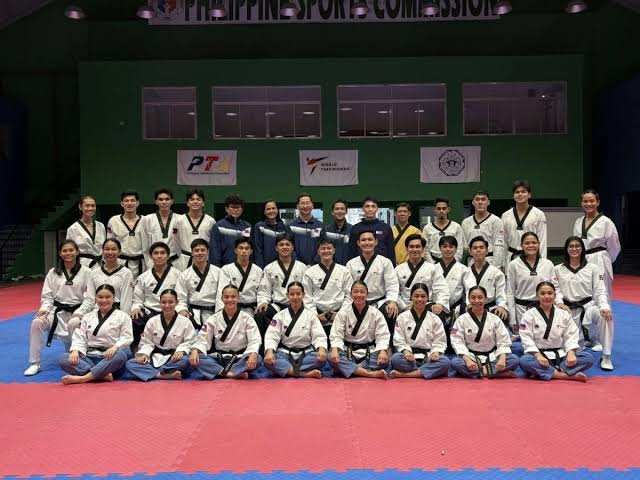
Daily Tribune’s Ivan Suing highlighted the Philippine Taekwondo Association’s decision to use Nagoya as preparation evidence for Los Angeles. Secretary general Rocky Samson said the campaign provided clearer information about weaknesses requiring attention before Olympic qualification tournaments begin.
The assessment carries additional significance because Asian nations traditionally occupy prominent positions within elite international taekwondo competition. Samson believes facing those opponents provides Philippine athletes with competition resembling standards they could encounter during an eventual Olympic campaign.
“The Olympic level is apparently the same as the Asian level. In taekwondo, the medalists in the Olympics actually come from Asian countries.”
Asian Opposition Makes Nagoya a Valuable Measuring Stick
South Korea’s historical influence on taekwondo has helped Asia remain exceptionally deep despite the sport’s worldwide competitive expansion. Competing against continental powers therefore provides Filipino jins with meaningful evidence regarding technique, preparation, and decision-making under elite tournament pressure.
Barbosa Carries Previous Olympic Experience Into New Cycle
Kurt Barbosa remains the Philippines’ most recent Olympic taekwondo representative after competing during the Tokyo Games held in 2021. His campaign ended quickly when former world champion Jang Jun of South Korea defeated him, 26-6, during their opening match.
Before Barbosa, Kirstie Alora represented the Philippines during Rio 2016, while Tshomlee Go and Mary Antonette Rivero competed during Beijing 2008. That history gives the current program recent Olympic representation but also underlines how difficult sustained qualification remains for Filipino taekwondo athletes.
Tokyo Experience Provides Barbosa With Difficult Reference Point
Barbosa now understands firsthand how sharply Olympic competition punishes mistakes against opponents already proven at world championship level. His Asian Games silver offers another performance marker as he pursues qualification and potentially another opportunity on the Olympic stage.
Yape Leads Five-Medal Philippine Taekwondo Campaign
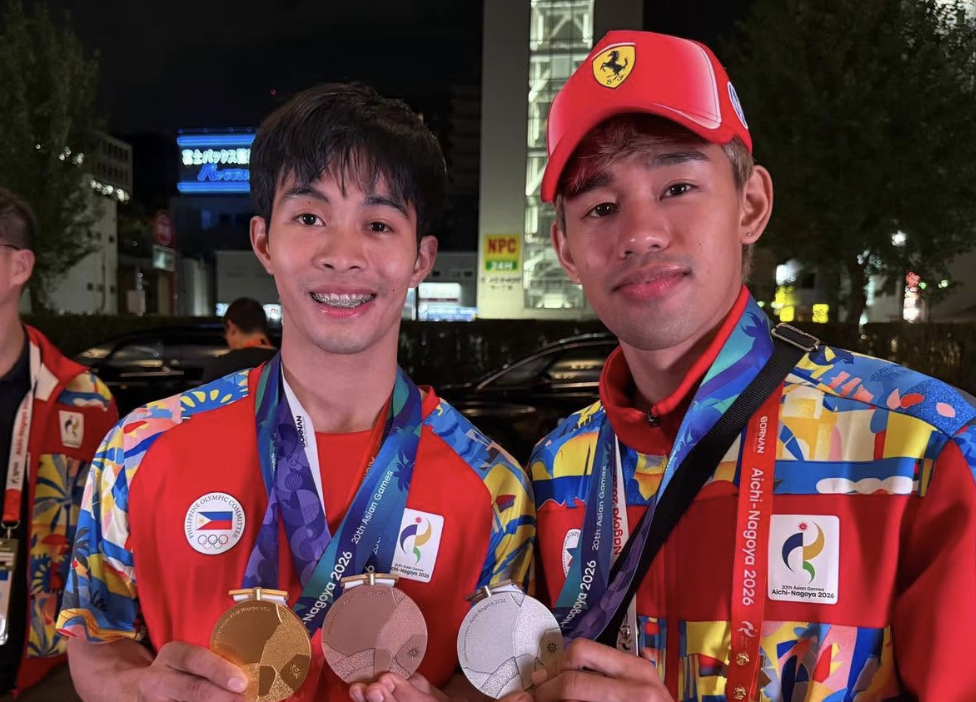
Jeus Yape became Philippine taekwondo’s most decorated Nagoya performer after winning virtual taekwondo gold and individual poomsae bronze. His two medals helped the sport finish with one gold, three silvers, and one bronze for Team Philippines.
Barbosa joined Juliana Candelaria and Tachiana Mangin among the silver medalists, giving the federation podium finishes across several disciplines. The five-medal haul demonstrated competitive depth, although not every Asian Games event provides a direct route toward Olympic participation.
Five Medals Require Different Olympic Interpretations
Yape’s virtual taekwondo championship and poomsae bronze strengthened the Philippine Asian Games campaign without corresponding directly to LA Olympic events. Barbosa and Mangin therefore carry particular Olympic relevance because their kyorugi weight divisions provide pathways toward the Los Angeles program.
Asian Powers Define the Qualification Challenge Ahead
Samson identified South Korea, Iran, Chinese Taipei, China, Thailand, Uzbekistan, and Kazakhstan among the strongest countries confronting Philippine hopefuls. Their presence makes qualification especially demanding because Filipino athletes must navigate continental opponents already operating near world-class competitive standards.
The federation intends to study mistakes from Nagoya before athletes enter various qualification tournaments leading toward Los Angeles. That process shifts attention from celebrating Asian Games medals toward identifying technical and competitive deficiencies capable of affecting Olympic qualification.
“So this performance somehow shows us, or gives us an indication of the level of our performance as we try to qualify for the Olympic Games.”
“We will study the mistakes and see what needs to be done.”
Qualification Must Come Before Olympic Medal Ambitions
Asian Games podium finishes can demonstrate progress, but they cannot substitute for navigating the qualification process required to reach Los Angeles. Philippine taekwondo must first convert continental competitiveness into qualifying results before meaningful Olympic medal expectations can reasonably begin.
Nagoya Results Give PTA a Development Roadmap
The Asian Games supplied Philippine coaches with recent evidence from matches involving both experienced Olympians and younger national-team prospects. Reviewing those performances can identify recurring weaknesses while helping determine which athletes require specific technical, tactical, physical, or international exposure improvements.
Nagoya also showed the value of maintaining depth rather than depending entirely upon one established Olympic hopeful such as Barbosa. Mangin and other developing fighters can expand the federation’s options if their Asian Games progress continues through the upcoming qualification cycle.
Medals Matter Most When Lessons Produce Adjustments
Successful preparation requires federations to examine winning performances with the same seriousness normally reserved for disappointing tournament defeats. Philippine taekwondo can use five medals as evidence of progress while still identifying the gaps separating Asian success from Olympic qualification.
Analytical Breakdown
Five Asian Games medals show Philippine taekwondo possesses competitive depth, but Olympic qualification presents a substantially different challenge. Barbosa’s experience and Mangin’s emergence provide credible starting points against an Asian region containing several established global taekwondo powers. Nagoya becomes most valuable if coaches convert specific mistakes into technical improvements before qualification tournaments determine who actually reaches Los Angeles.