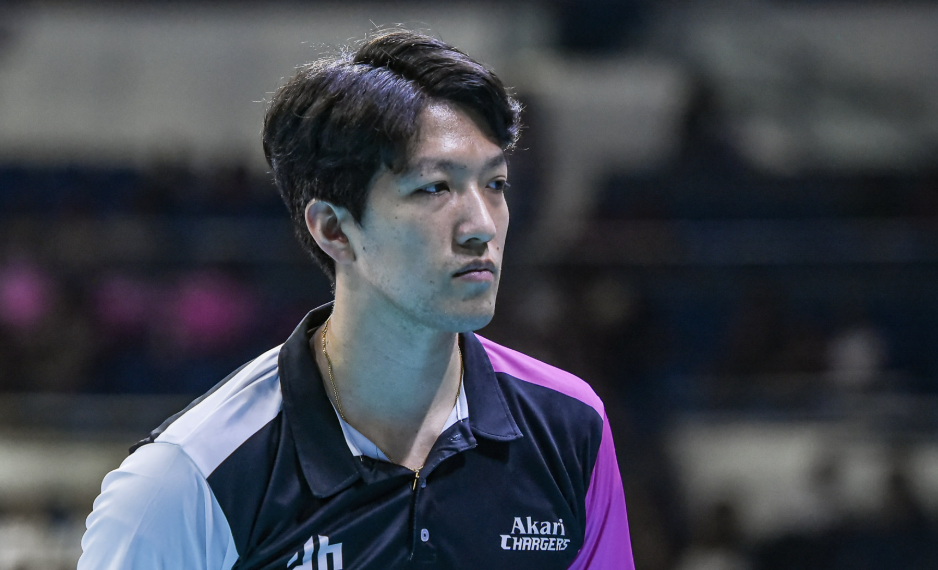
Youth Success Must Translate Into Senior Volleyball Excellence
Alas Pilipinas Women head coach Taka Minowa believes Asian volleyball must strengthen its long-term player development system to sustain international success beyond youth competitions. His remarks came as several Asian countries continued producing impressive performances during the 2026 FIVB Volleyball Girls’ U17 World Championship in Chile, highlighting both the region’s strengths and its remaining challenges.
Rather than focusing solely on tournament results, Minowa emphasized building a complete pathway that prepares promising athletes for successful senior international careers. His message reflects a broader discussion among volleyball leaders about maintaining competitive progress after players graduate from age-group competitions.
Asian Youth Programs Continue Producing World-Class Talent
The FIVB Volleyball Girls’ U17 World Championship serves as one of volleyball’s premier international development tournaments for players under seventeen years old. Established to strengthen the global athlete pathway, the biennial competition provides young national teams valuable experience before advancing toward higher age-group and senior international events.
Several Asian countries once again demonstrated their competitiveness after advancing deep into the knockout stages of the 2026 championship in Chile. According to reporting by Kiko Demigillo, the Philippines joined Japan, China, and South Korea in reaching the Round of 16 during another encouraging campaign for Asian volleyball.
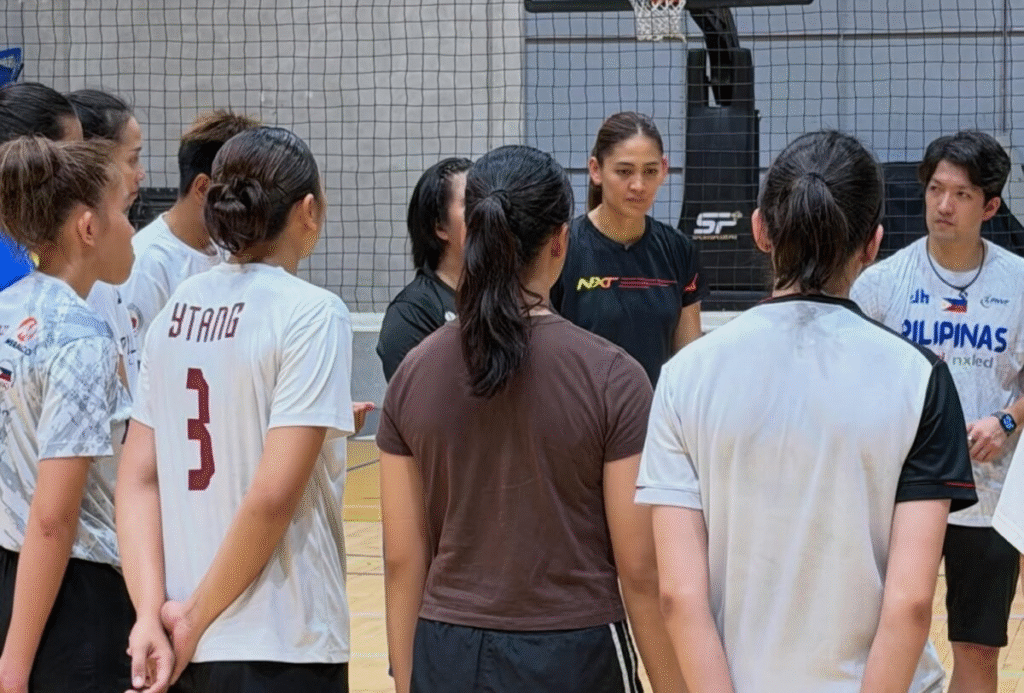
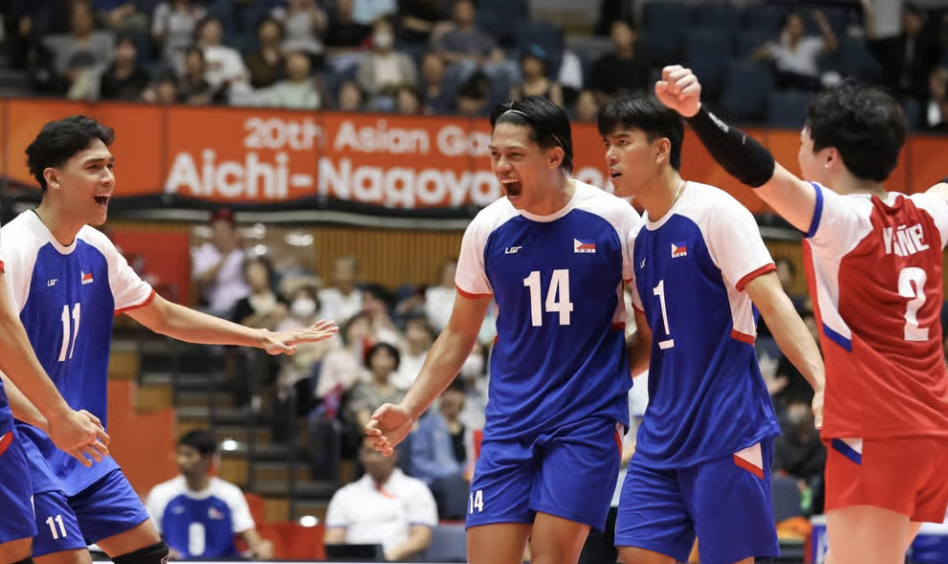
Image from: Inquirer Sports – Inquirer.net
Minowa Believes Future Success Depends on Sustained Development
Minowa explained that Asia consistently develops technically skilled young players capable of competing against the world’s strongest youth national teams. He argued, however, that maintaining those advantages becomes increasingly difficult as athletes progress toward older age categories and senior competition.
“The challenge for Asian volleyball, in my opinion, is that although many Asian countries are among the strongest in the world at the grassroots level, they tend to be overtaken by other countries as players move up through the age categories.”
Transition to Senior Competition Remains the Greatest Challenge
Strong youth results alone rarely guarantee lasting international success because athletes face greater physical, tactical, and competitive demands at higher levels. Senior volleyball also requires sustained international exposure, professional league experience, sports science support, and long-term coaching continuity beyond junior tournaments.
Many of the world’s leading volleyball nations maintain structured athlete pathways connecting grassroots programs with youth national teams, professional clubs, and senior squads. Those integrated systems help players adjust gradually while preserving technical development throughout every stage of their competitive careers.
Regional Cooperation Could Strengthen Asian Volleyball
Instead of treating player development as an individual national responsibility, Minowa encouraged greater collaboration among volleyball federations throughout Asia. He believes exchanging coaching methods, development strategies, and athlete management practices could strengthen the entire region’s long-term competitiveness.
“I think it would be valuable for Asian volleyball to openly discuss what is missing in the transition from grassroots development to the senior level, and to learn from and support each other in strengthening this pathway across Asia.”
Recommended Article: PH Fencers Win Two Golds at SEA Junior Championships
Philippine Program Reflects Long-Term Development Strategy
The Philippine girls’ national team demonstrated meaningful progress after advancing into the Round of 16 during the 2026 FIVB Girls’ U17 World Championship. Victories against Mexico and Tunisia highlighted the country’s growing competitiveness before a knockout-round defeat against South Korea ended its championship campaign.
Although the tournament concluded before a medal finish, the experience provided valuable international competition for one of the youngest Philippine national teams. Exposure against stronger opponents remains an essential component of preparing athletes for future Asian Championships, SEA V Cup tournaments, and senior international events.
Coaching Continuity Supports Athlete Progression
Before assuming responsibility for the senior women’s national team, Minowa worked extensively with Philippine youth volleyball development beginning in 2024. His involvement across multiple age groups has created greater continuity between grassroots programs and the country’s senior national team structure.
Development Philosophy Continues Shaping Philippine Volleyball
Minowa’s emphasis on long-term athlete development predates his appointment as head coach of the Alas Pilipinas women’s senior national team. Since joining the Philippine program in 2024, he has worked closely with youth athletes while helping establish consistent coaching principles across multiple national teams.
That continuity allows young players to progress through familiar systems instead of repeatedly adjusting to different coaching philosophies and tactical approaches. Many successful volleyball nations maintain similar development structures because consistent instruction supports technical growth and smoother transitions into senior international competition.
Early Youth Success Created a Foundation for Senior Progress
Minowa previously guided Philippine youth squads in the Princess Cup Southeast Asian Under-18 Championship and the Asian Women’s Under-18 Championship. Those campaigns produced a bronze medal at the Princess Cup while giving emerging players valuable international experience against stronger regional opponents.
Several athletes who benefited from those developmental opportunities have since progressed toward higher national team responsibilities, strengthening the country’s long-term volleyball pipeline.
Senior Program Shows Signs of Long-Term Progress
The Philippines has already experienced encouraging results under Minowa’s leadership at the senior level through improved performances in regional competition. Earlier this year, Alas Pilipinas Women secured a historic silver medal during the second leg of the 2026 SEA V Cup, marking one of the program’s strongest international finishes in recent years.
Although one tournament does not define sustained success, consistent progress across multiple age groups suggests the federation’s long-term investment is beginning to produce measurable results. Maintaining coaching continuity and expanding international competition opportunities remain important priorities as the Philippines prepares for future continental events, including the Asian Games.
Long-Term Planning Extends Beyond Individual Tournaments
International volleyball powers generally connect grassroots programs, youth national teams, professional leagues, sports science, and senior squads through integrated development systems. Those structures help athletes mature physically, improve tactically, and adapt mentally before facing the demands of elite international competition.
Countries sustaining success over multiple Olympic cycles typically invest in athlete development over many years rather than focusing exclusively on short-term tournament outcomes.
Asian Volleyball Benefits From Shared Development Goals
Minowa’s recommendation extends beyond the Philippines because many Asian federations encounter similar challenges after successful youth campaigns. Greater collaboration through coaching exchanges, technical seminars, sports science research, and athlete development initiatives could strengthen the region’s overall competitiveness while benefiting every participating federation.
The Japanese coach’s proposal also reflects the increasingly collaborative nature of international volleyball, where federations regularly exchange knowledge to improve coaching standards and player development. Building stronger regional pathways may help more Asian athletes sustain their potential throughout longer international careers.
Shared Knowledge Can Accelerate Regional Growth
Federations exchanging successful development models often improve coaching quality while reducing common challenges affecting athlete progression between age categories. Stronger regional cooperation may ultimately benefit Asian volleyball by producing deeper talent pools capable of competing consistently at senior world championships and Olympic tournaments.
Industry Analysis: A System Built to Last
International volleyball programs consistently achieving senior success usually maintain structured athlete pathways connecting grassroots participation with elite international competition. Coaching continuity, professional league experience, sports science support, and regular exposure against world-class opponents remain essential components of sustained player development across multiple Olympic cycles.
The Philippines has begun strengthening that pathway by creating greater continuity between its youth and senior national programs under Taka Minowa’s leadership. Sustaining that approach through consistent federation support, international competition, and long-term athlete investment could improve the country’s competitiveness while contributing to broader progress throughout Asian volleyball.
Source Note: This article is based on reporting by Kiko Demigillo and supplemented with publicly available information from the FIVB, official tournament records, and national volleyball program updates.
Frequently Asked Questions
What is Taka Minowa’s main concern about Asian volleyball?
Minowa believes many Asian countries excel at youth volleyball but struggle to maintain that success after athletes transition into senior international competition.
Why does Minowa encourage greater cooperation among Asian federations?
He believes sharing coaching knowledge and athlete development strategies can strengthen long-term player pathways throughout the Asian volleyball community.
How did the Philippines perform at the 2026 FIVB Girls’ U17 World Championship?
The Philippines reached the Round of 16 after defeating Mexico and Tunisia before concluding its knockout-stage campaign.
What has Minowa accomplished with Philippine volleyball?
Minowa helped develop Philippine youth national teams before leading Alas Pilipinas Women to a historic silver medal during the 2026 SEA V Cup.
Disclaimer: Headline Image from Tiebreaker Times.