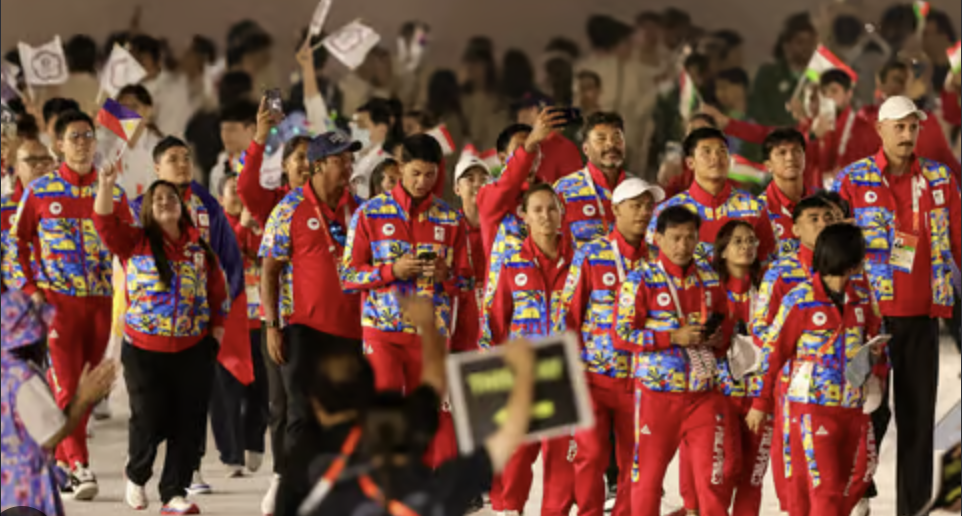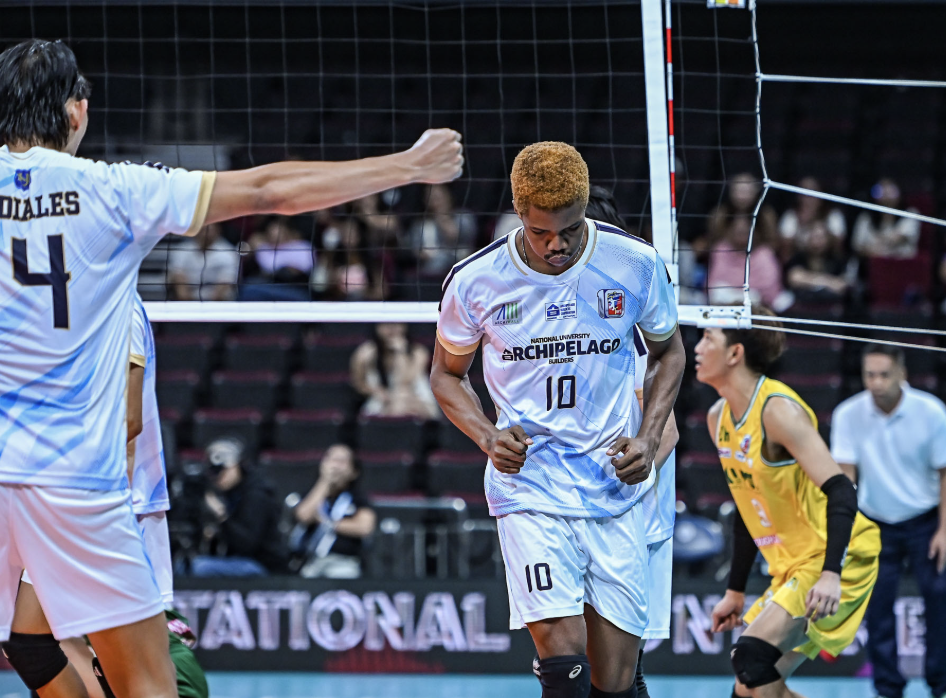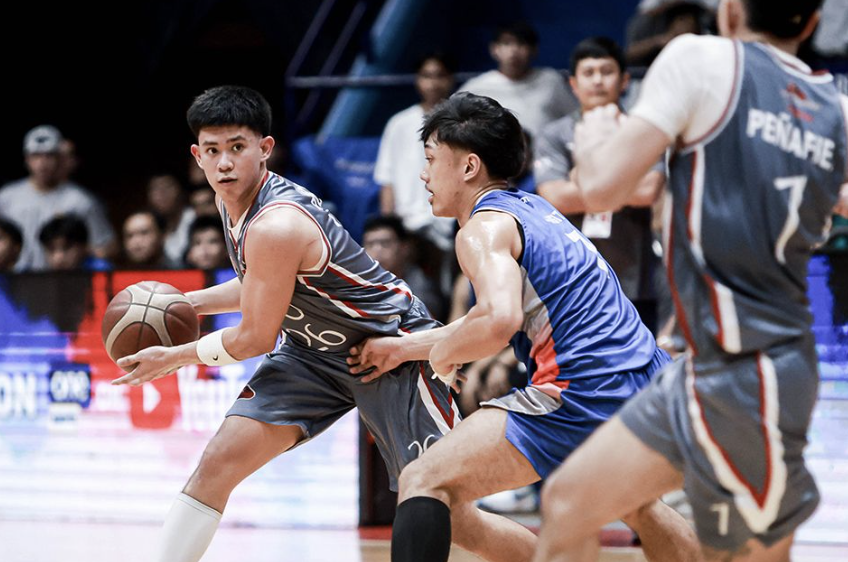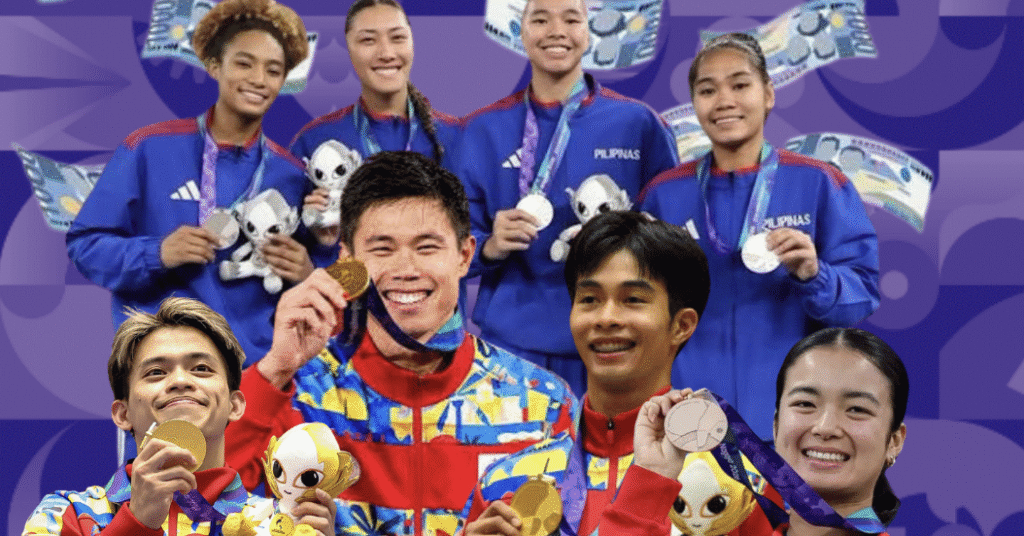
Around ₱35 million awaits Filipino Asian Games medalists and coaches after podium success spread across numerous disciplines in Nagoya. Beyond rewarding individual performances, the growing payout reflects a Philippine campaign reaching considerably more sports than three years earlier.
Government Incentives Reach Around P35 Million
Philippine Sports Commission chairman Patrick Gregorio told the Inquirer Sports Desk that government incentives had reached approximately ₱35 million. The figure covered Filipino medalists and their coaches, although Gregorio indicated the computation could still increase as competition concluded.
Republic Act No. 10699 guarantees individual Asian Games champions ₱2 million, while silver and bronze medalists receive smaller incentives. Silver medalists receive ₱1 million individually, while bronze medalists are entitled to ₱400,000 under the national sports incentives law.
Asian Games Individual Medal Incentives
- Gold medal: ₱2 million
- Silver medal: ₱1 million
- Bronze medal: ₱400,000
- Carlos Yulo: ₱4 million for two individual gold medals
- EJ Obiena: ₱2 million for one individual gold medal
- Jeus Yape: ₱2 million for his individual virtual taekwondo gold
Yulo Leads Philippine Athletes Receiving Government Rewards
Carlos Yulo stands as the highest-earning individual Filipino medalist after capturing men’s floor exercise and vault gold medals. His golden double entitles the Olympic champion to ₱4 million through the government incentive structure covering Asian Games performances.
EJ Obiena earns ₱2 million after defending his pole vault championship, while Jeus Yape receives the same amount. Yape’s reward follows his breakthrough mixed individual virtual taekwondo championship, which delivered another gold during the Philippine campaign’s closing stretch.
Gold Medals Carry Rewards Beyond Prize Money
Financial incentives recognize years of preparation that often demand substantial personal, physical, and financial commitments before athletes reach international podiums. They also give government support a measurable connection with performance while acknowledging coaches contributing directly to those medal-winning preparations.
Philippine Medals Spread Across More Sports
Gregorio emphasized that Philippine medal success extended across approximately 18 or 19 sports during the Aichi-Nagoya Asian Games. That distribution represented a significant increase from Hangzhou 2023, when Filipino athletes captured medals across only 11 different sports.
For Philippine sports development, wider medal distribution could matter more strategically than simply increasing the overall number of podium finishes. Competitive results across more disciplines suggest additional programs are beginning to produce athletes capable of reaching continental medal contention.
“We are very happy that we won so many medals in so many sports. If I’m not mistaken, it is 18 or 19 sports.”
“In China at the 2023 Hangzhou Asian Games, we won in 11 sports. That is the big change, and that is what is important in the development of Philippine sports and our grassroots program.”
Medal Diversity Creates a Different Measure of Progress
A successful national program becomes less vulnerable when international medals no longer depend overwhelmingly upon several traditionally productive disciplines. Expanding the number of competitive sports can create deeper pathways while giving developing athletes more examples of attainable continental success.
Mangin’s Silver Shows How Narrow Medal Margins Become
Gregorio also defended athletes who missed gold, highlighting 18-year-old taekwondo standout Tachiana Keizha Mangin’s dramatic run toward silver. Mangin defeated Japan’s Ruka Okamoto, 2-1, during their women’s under-49-kilogram semifinal before meeting China’s Ma Jingyue for gold.
Gregorio recalled Mangin trailing by three points with one second remaining before landing a roundhouse kick that changed everything. Against Ma, neither championship round produced a scoring point, with the Chinese athlete ultimately winning both through superiority decisions.
“She was down by three points against her Japanese opponent with one second left.”
“She was still able to land a roundhouse kick and advance to the final.”
Silver Can Stand One Moment Away From Gold
Mangin’s tournament illustrates how medal colors can sometimes turn on seconds, technical judgments, or one decisive action during elite competition. Evaluating development solely through gold totals can therefore overlook meaningful progress demonstrated by athletes already competing closely against Asia’s strongest opposition.
Gregorio Calls for Perspective Around Filipino Medalists
Mangin cried after reaching the championship match, then showed similar emotion after narrowly missing the Asian Games title. Gregorio used those contrasting moments to illustrate the emotional investment athletes carry when representing the Philippines at major competitions.
His appeal challenged supporters to recognize that silver and bronze medals can represent exceptional performances rather than disappointing outcomes. That perspective becomes especially relevant when younger athletes reach major finals before completing the longer development process toward their competitive peaks.
“When she cried after reaching the final, those were the same tears she shed when she lost the gold.”
“That is what our fellow Filipinos should understand.”
Expectations Should Rise Without Erasing Achievement
Higher expectations can push Philippine sports forward, but judging every medal below gold as failure creates an incomplete performance standard. Young athletes particularly need evaluation based on competitive context, progression, opposition, and development rather than medal color alone.
P35 Million Reflects a Wider Philippine Sports Story
The approximately ₱35-million obligation represents more than government bonuses accumulated through one successful Asian Games campaign in Nagoya. Each additional payout traces back to athletes and coaches reaching podiums across a noticeably broader collection of Philippine sports.
The more important return will emerge if those medal-producing disciplines sustain development after their athletes receive their financial rewards. Nagoya’s diversity becomes meaningful when today’s incentives accompany continued coaching, grassroots investment, international exposure, and preparation for future championship cycles.
Rewards Should Follow Medals, Investment Should Follow Progress
Government bonuses properly recognize completed achievements, while development funding serves the different purpose of creating opportunities for future athletes. Philippine sports can benefit most when rewarding current medalists and strengthening promising programs become complementary investments rather than competing priorities.
Analytical Breakdown
The ₱35-million figure attracts attention, but medal success across nearly 19 sports provides the more encouraging development signal. As a former athlete, I see value in rewarding champions while recognizing younger medalists already competing within remarkably narrow margins. Sustaining those emerging programs could make Nagoya’s expanding medal diversity more valuable than the incentive checks eventually distributed afterward.